Understanding Oral Surgery Services
Oral surgery encompasses a range of procedures designed to address conditions affecting your teeth, jaws, and surrounding oral structures. According to research published by the National Center for Biotechnology Information, tooth extraction remains one of the most common surgical dental procedures performed, often necessary when teeth are severely decayed, damaged beyond repair, or causing complications for surrounding teeth. While the term “surgery” may sound intimidating, many of these procedures are performed routinely and have become significantly more comfortable with modern techniques and sedation options.
The scope of oral surgery extends well beyond simple extractions. These procedures can correct functional problems, alleviate chronic pain, prepare your mouth for restorative work, or address emergency situations. Each case requires careful evaluation to determine the most appropriate surgical approach, taking into account factors like the position of the tooth or implant site, your overall health, and your individual treatment goals.
“While the term ‘surgery’ may sound intimidating, many of these procedures are performed routinely and have become significantly more comfortable with modern techniques.”
Common Oral Surgery Procedures We Perform
Our Sunnyvale practice offers a comprehensive range of oral surgery services to address various dental health needs. Each procedure is performed with precision and care, utilizing the latest techniques to ensure optimal outcomes and patient comfort.
Wisdom teeth, or third molars, typically emerge in late adolescence or early adulthood. When these teeth lack sufficient space to erupt properly, they become impacted, potentially causing pain, infection, damage to adjacent teeth, or cysts that can compromise your jawbone integrity. Removing problematic wisdom teeth before they cause serious complications represents a proactive approach to maintaining your oral health. Sometimes a tooth becomes so compromised by decay, fracture, or periodontal disease that saving it is no longer viable — in these cases, extraction prevents the spread of infection and eliminates the source of pain. We also perform pre-prosthetic surgery to reshape the gum tissue and bone to accommodate dentures or other prosthetic devices, and sinus lift procedures when placing dental implants in the upper jaw requires additional bone height.
When Tooth Extraction Becomes Necessary
Dental professionals recommend extraction only when other treatment options cannot adequately address the problem. This is a commonly performed procedure despite modern dentistry’s focus on maintaining natural dentition for as long as possible. Severe decay that has destroyed too much of the tooth structure to support a filling or crown often necessitates removal. Advanced periodontal disease that has weakened the surrounding bone and tissues around a tooth may leave extraction as the only viable option to prevent the infection from spreading.
Impacted wisdom teeth represent another common reason for extraction, particularly when they grow at awkward angles that crowd neighboring teeth or remain trapped beneath the gum line. Orthodontic treatment sometimes requires removing teeth to create the space needed for proper alignment, especially in cases of significant crowding. Teeth broken beyond repair due to trauma or injury may need extraction to prevent infection and allow replacement options such as dental implants.
“Dental professionals recommend extraction only when other treatment options cannot adequately address the problem.”
The Extraction Process and What to Expect
Here is what you need to know about the extraction process:
Simple Extractions
Simple extractions address teeth visible above the gum line. The dentist numbs the area with a local anesthetic, then uses specialized instruments to gently loosen the tooth from its socket before removal. This type of extraction typically involves minimal discomfort during the procedure, with patients feeling pressure but not pain.
Surgical Extractions
More complex cases may require surgical extraction, particularly for teeth that have not fully erupted or have broken off at the gum line. This treatment involves a little incision in the gums to access the tooth, and sometimes the tooth must be split into sections for easier removal. Surgical extractions generally require more extensive healing time than simple extractions.
The Oral Surgery Experience at Smile Craft Dental
Our approach to oral surgery centers on three core principles: thorough preparation, gentle execution, and comprehensive aftercare. Before any procedure, we conduct a detailed examination and explain exactly what will happen, what you will feel, and what results you can expect. This transparency helps reduce anxiety and ensures you can make informed decisions about your care.
We use digital imaging technology to plan procedures with precision, identifying potential challenges before they arise and developing strategies to address them proactively. During the procedure itself, we prioritize your comfort through appropriate sedation options. Many patients benefit from nitrous oxide sedation, which creates a relaxed state while allowing you to remain responsive throughout the treatment. We take time to ensure adequate anesthesia before beginning, and we monitor your comfort continuously, adjusting as needed.
“Our approach to oral surgery centers on three core principles: thorough preparation, gentle execution, and comprehensive aftercare.”
Check out what others are saying about our dental services on Yelp: Oral Surgery in Sunnyvale, CA
Recovery and Healing
Recovery from oral surgery varies depending on the specific procedure, but several principles remain constant across all surgical treatments. Following post-operative instructions carefully significantly impacts your healing timeline and final outcome. These guidelines typically address managing discomfort, controlling swelling, maintaining proper oral hygiene without disturbing the surgical site, dietary modifications during the initial healing phase, and recognizing signs of complications that require prompt attention.
We provide detailed instructions for pain management, including appropriate medications and home care techniques like ice application. The surgical sites themselves usually heal remarkably well when given proper care, with soft tissue closing within a week or two and bone remodeling continuing for several months afterward.
Recovery and Aftercare After Tooth Extraction
The first 24 hours after extraction prove critical for proper healing. Patients are instructed to bite gently on gauze pads to manage bleeding and allow a blood clot to form in the socket. The clot protects the underlying bone and nerves, making its preservation essential. Avoid vigorous rinsing, drinking through straws, or smoking during the initial recovery period to prevent dislodging this protective clot and developing a painful condition called dry socket.
Swelling and mild discomfort are normal responses to extraction. Applying ice packs to the outside of the face in 20-minute intervals can help reduce swelling on the first day. Over-the-counter pain medication typically manages discomfort adequately, though the dentist may prescribe stronger medication for more extensive procedures. Eating soft foods and avoiding chewing near the extraction site supports healing and prevents irritation.
“The first 24 hours after extraction prove critical for proper healing.”
Maintaining Oral Health Post-Extraction
While some extractions, particularly wisdom teeth removal, may not require replacement, losing other teeth can lead to the shifting of surrounding teeth and bone loss over time. Discussing replacement options with your dentist ensures the best long-term outcome for your oral health.
Dental implants are a permanent option that mimics natural tooth roots, providing stability and preventing bone deterioration. Bridges and partial dentures present alternative replacement methods, each with specific advantages depending on individual circumstances and preferences.
Maintaining excellent oral hygiene becomes even more important after an extraction. Regular dental care, including professional cleanings and examinations, helps prevent future tooth loss and identifies potential problems before they require extraction. Brushing twice daily, flossing regularly, and attending scheduled dental appointments create the foundation for lasting oral health.
Schedule Your Oral Surgery Consultation at Smile Craft Dental
When oral surgery becomes necessary, choosing the right practice makes all the difference in your experience and outcome. At our Sunnyvale location, we combine surgical expertise with a genuine commitment to your comfort and well-being. Our team takes time to understand your specific situation, answer your questions thoroughly, and develop a treatment plan tailored to your needs. We accept most major insurance plans and offer payment options to make necessary care accessible.
Whether you need wisdom teeth removed, are considering dental implants, or require other emergency dental services in Sunnyvale, we provide the advanced care you deserve in an environment where you feel valued and supported. With our investment in cutting-edge technology, commitment to continuing education, and patient-first philosophy, Smile Craft Dental delivers the exceptional oral surgery care Bay Area patients trust.
“Smile Craft Dental delivers the exceptional oral surgery care Bay Area patients trust.”
Questions Answered on This Page
Q. What common oral surgery procedures do you perform?
Q. When does tooth extraction become necessary?
Q. What is the extraction process and what should I expect?
Q. What is the oral surgery experience like at Smile Craft Dental?
Q. What does recovery look like after oral surgery?
Q. What should I know about recovery and aftercare after tooth extraction?
Q. How do I maintain oral health post-extraction?
Q. How do I schedule an oral surgery consultation?
People Also Ask
Q. How do I begin preparing for wisdom teeth extraction?
Q. When should wisdom teeth be removed?
Q. What methods are available after a tooth extraction?
Q. What are some of the reasons one might need a tooth extraction?
Q. What qualifies as a dental emergency?
Q. Why is stopping infection from spreading important?
Q. Why is routine dental care important?
Q. What if a crown or root canal cannot save my cracked tooth?
Frequently Asked Questions
Q. Will I be in pain during the tooth extraction?
A. No, the dentist numbs the area with a local anesthetic before extraction. This type of extraction typically involves minimal discomfort during the procedure, with patients feeling pressure but not pain. For more extensive procedures or anxious patients, additional sedation options are available.
Q. Will oral surgery be painful?
A. We take every step to ensure your comfort before and during any procedure. Adequate anesthesia is confirmed before we begin, and we monitor your comfort continuously throughout. Most patients report that the procedure itself is far more comfortable than they anticipated.
Q. What is the difference between a simple and surgical extraction?
A. Simple extractions address teeth visible above the gum line using specialized instruments to gently loosen the tooth from its socket. Surgical extractions are for more complex cases where teeth have not fully erupted or have broken off at the gum line, requiring an incision in the gums and sometimes splitting the tooth into sections for easier removal.
Q. How long does recovery take after tooth extraction?
A. The first 24 hours prove critical for proper healing, with initial healing of the extraction site typically taking about two weeks. However, complete bone and soft tissue regrowth may take three to six months. Simple extractions generally heal faster than surgical extractions.
Q. How long does recovery take after oral surgery?
A. Recovery time depends on the specific procedure. Soft tissue generally closes within one to two weeks, while bone remodeling can continue for several months. We provide detailed post-operative instructions to help you heal as quickly and comfortably as possible.
Q. What is dry socket and how can I prevent it?
A. Dry socket occurs when the protective blood clot in the extraction socket is dislodged or fails to form, exposing underlying bone and nerves. Prevent this by avoiding vigorous rinsing, drinking through straws, or smoking during the initial recovery period. Follow all post-operative instructions carefully.
Q. Do I need to replace an extracted tooth?
A. While some extractions, particularly wisdom teeth removal, may not require replacement, losing other teeth can lead to shifting of surrounding teeth and bone loss over time. Dental implants, bridges, and partial dentures are replacement options. Discussing these with your dentist ensures the best long-term outcome for your oral health.
Q. What should I eat after tooth extraction?
A. Eat soft foods and avoid chewing near the extraction site. Ice cream, yogurt, applesauce, mashed potatoes, smoothies, and soup are good options. Avoid hot foods and beverages for the first 24 hours, and gradually return to your normal diet as healing progresses.
Q. Do I need oral surgery?
A. Oral surgery may be necessary for a variety of reasons, including severely decayed or damaged teeth, impacted wisdom teeth, preparation for dental implants, or pre-prosthetic bone reshaping. Our team can evaluate your situation during a consultation and recommend the most appropriate course of treatment.
Q. What sedation options are available during oral surgery?
A. We offer nitrous oxide sedation, which creates a relaxed state while allowing you to remain responsive throughout the procedure. Our team will discuss all available options during your consultation to determine what is most appropriate for your comfort and health needs.
Q. Can oral surgery help with dental implants?
A. Yes. Several oral surgery procedures, including tooth extraction, bone grafting, and sinus lift augmentation, are often performed in preparation for dental implant placement. Our team will assess your bone structure and overall health to determine which preparatory procedures, if any, are needed before placing implants.
Q. How do I get started with oral surgery at Smile Craft Dental?
A. Simply contact our Sunnyvale office to schedule a consultation. We will review your dental history, take digital images, and discuss your treatment options. We accept most major insurance plans and offer flexible payment options to make care accessible.
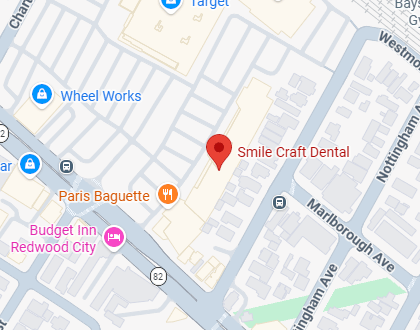
Let Us Help – Click for Directions to Smile Craft Dental
 Scan here to view this page, Oral Surgery, on mobile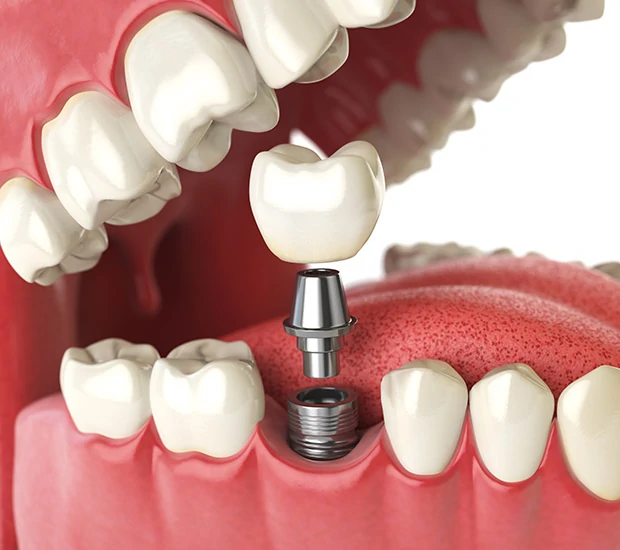
Oral Surgery Terminology
Alveolar BoneThe alveolar bone is the portion of the jaw that contains the sockets of the teeth. Preserving this bone during and after extraction is important for future implant placement and overall jaw health.
Nitrous OxideNitrous oxide is a mild sedative agent delivered through a mask to help patients relax during dental procedures. It wears off quickly and allows patients to remain conscious and responsive throughout treatment.
MandibleThe mandible is the lower jaw bone and is the only movable bone of the skull. It holds the lower teeth in place and plays a central role in chewing, speaking, and overall oral function.
Socket PreservationSocket preservation is a bone grafting procedure performed immediately after tooth extraction to maintain the shape and volume of the socket, reducing bone loss and improving conditions for future implant placement.
Learn More About Oral Surgery
Oral surgery can address a wide range of dental health needs, from tooth extractions to implant preparation. Our team at Smile Craft Dental can determine the most appropriate treatment plan for your situation. Call us at (650) 880-1550 for more information about our services or to schedule a consultation.
Helpful Related Links
- National Library of Medicine. Tooth Extraction Procedure. 2024
- American Dental Association (ADA). Glossary of Dental Clinical Terms. 2024
- American Academy of Cosmetic Dentistry® (AACD). Home Page.
2024 - WebMD. WebMD’s Oral Care Guide. 2024
About our business, license, and website security
- Smile Craft Dental was established in 2019.
- We accept the following payment methods: American Express, Cash, Check, Discover, MasterCard, and Visa
- We serve patients from the following counties: San Mateo County and Santa Clara County
- We serve patients from the following cities: Sunnyvale, Santa Clara, Mountain View, Cupertino, San Jose, Campbell, Los Altos, Milpitas, and Saratoga
- Norton Safe Web. View Details
- Trend Micro Site Safety Center. View Details
 Scan here to open directions to Smile Craft Dental on mobile
Back to top of Oral Surgeon in Sunnyvale, CA