What Is TMJ/TMD, and What Causes It?
The temporomandibular joint acts like a sliding hinge on each side of your jaw, allowing it to open, close, and move side to side. When something disrupts this joint, whether it is injury, stress, bite problems, or muscle tension, the result can be pain, stiffness, clicking sounds, or difficulty opening your mouth fully. According to the National Institute of Dental and Craniofacial Research, TMD is an umbrella term for more than 30 conditions affecting the jaw joints and associated muscles, impacting up to 10% of the U.S. population.
Because the causes of TMD vary from person to person, no two cases look exactly the same. Identifying the underlying factors is an essential step toward effective treatment, which is why we take a comprehensive diagnostic approach during every evaluation.
Common Symptoms to Watch For
Jaw pain is often the most obvious sign, but TMD can present in ways that patients do not always connect to their jaw. Symptoms worth discussing with our team include:
- Jaw clicking or popping: audible sounds when opening or closing the mouth, often accompanied by discomfort.
- Facial and ear pain: aching around the temples, ears, or face that may be mistaken for sinus or ear problems.
- Headaches and neck stiffness: tension that radiates upward or downward from the jaw joint.
- Difficulty chewing: pain or a locked feeling when biting or eating.
- Limited mouth opening: stiffness that makes it hard to open the jaw fully, especially in the morning.
These symptoms often fluctuate, which can make them easy to dismiss. If you are experiencing any combination of the above as part of our general dentistry evaluation, we encourage you to bring them to our attention.
“Because the causes of TMD vary from person to person, no two cases look exactly the same.”
How We Diagnose TMJ Disorders
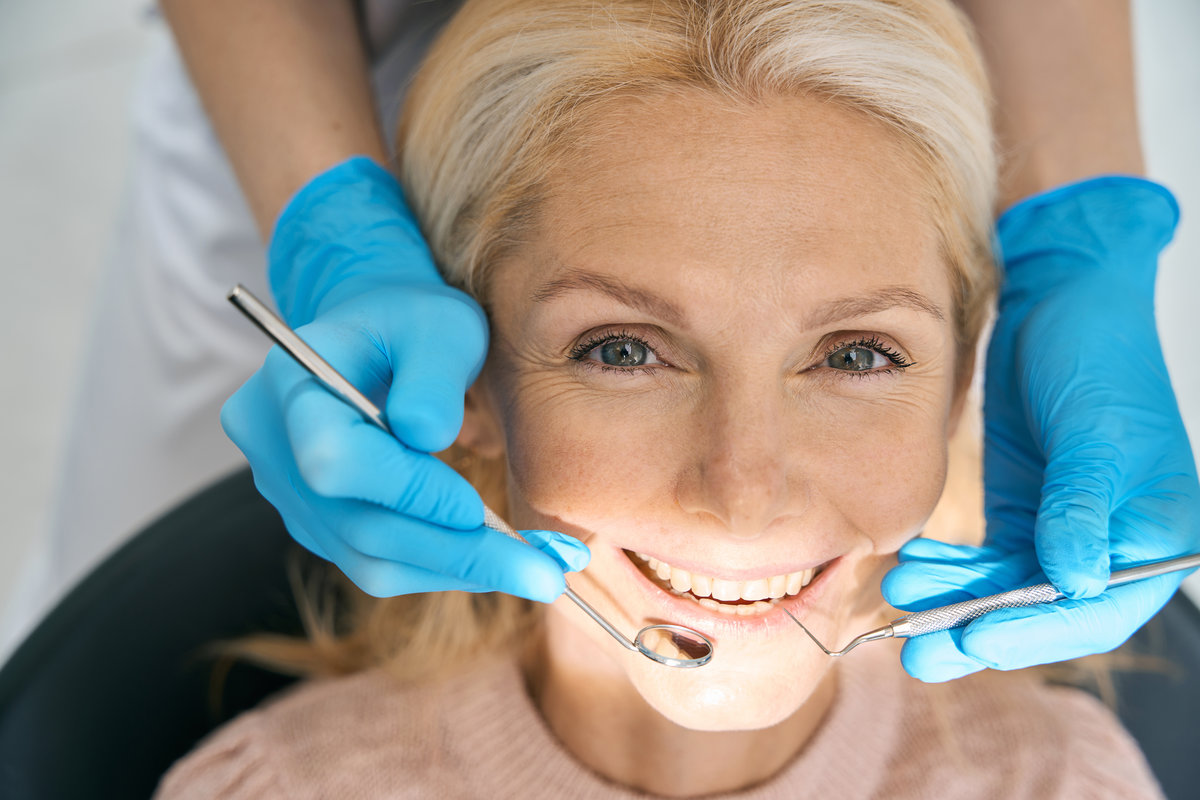
A thorough diagnosis is the foundation of any successful TMD treatment. During your evaluation, we will examine your jaw’s range of motion, listen for sounds in the joint, assess your bite alignment, and review any relevant symptoms you have been experiencing. We may also use intraoral imaging technology to get a clearer look at the joint and surrounding structures.
We understand that TMD symptoms can feel overwhelming, particularly when they have been present for a long time without explanation. Our approach is to walk you through our findings with clarity and care, so you leave your appointment with a thorough understanding of what is happening and what your options are.
“We walk you through our findings with clarity and care, so you leave your appointment with a thorough understanding of what is happening.”
| Relief from jaw pain starts here — book your TMJ evaluation at Smile Craft Dental. | Request an Appointment |
TMJ Treatment Options We Offer
Treatment for TMD is rarely one-size-fits-all. Depending on the nature and severity of your condition, we may recommend one or a combination of the following conservative approaches.
Oral Appliance Therapy
One of the most common and effective first-line treatments for TMD is a custom-fitted oral appliance, often called a night guard or splint. Worn during sleep, this device helps reduce the pressure placed on the joint by bruxism (teeth grinding or clenching), one of the leading contributors to TMD symptoms. A custom appliance made from precise impressions of your teeth fits far more comfortably and performs better than anything available over the counter.
Bite Adjustment and Restorative Solutions
In some cases, an imbalanced bite is placing uneven stress on the jaw joint and surrounding muscles. We may recommend bite adjustments or restorative work, such as dental crowns, to even out your bite and reduce strain on the joint over time. When multiple teeth or bite issues are involved, a broader restorative plan may be the right direction, and our team can discuss whether full mouth reconstruction is appropriate for your situation.
Lifestyle and Self-Care Guidance
Managing TMD often extends beyond the dental chair. We provide personalized guidance on habits that can aggravate the joint, including certain food textures, jaw clenching during stress, and posture. Simple modifications, combined with professional treatment, can meaningfully accelerate your recovery.
Sedation Dentistry for Anxious Patients
We recognize that jaw pain can make dental visits feel even more daunting. For patients who experience anxiety or need added comfort during treatment, our sedation dentistry options can help you relax fully so we can provide the thorough care you deserve.
“Simple modifications, combined with professional treatment, can meaningfully accelerate your recovery.”
Schedule TMJ/TMD Treatment at Smile Craft Dental in Redwood City
At Smile Craft Dental, we believe that good dental care begins with genuinely listening to our patients. Our team, led by Dr. Janice Chou and Dr. Brendon Nguyen, brings a high level of commitment to continuing education, ensuring that the techniques and tools we use reflect current best practices. We use advanced technology to support more accurate diagnoses and comfortable treatment experiences, and our highly rated office has built a reputation for making patients feel heard, respected, and well cared for throughout every visit.
We welcome patients speaking Spanish and English, and we accept most major insurance plans. Our goal is to remove as many barriers as possible so you can focus on getting the relief you need. To schedule your TMJ evaluation, contact us today. We look forward to helping you feel better.