What Is Phase I Treatment?
Phase I treatment refers to orthodontic intervention that takes place during the mixed dentition stage, typically between the ages of 6 and 10, when a child still has a combination of baby teeth and permanent teeth. Think of it like adjusting the scaffolding of a building before the walls go up. By addressing structural issues early, we can influence how the jaw develops and create the space that permanent teeth need to come in properly.
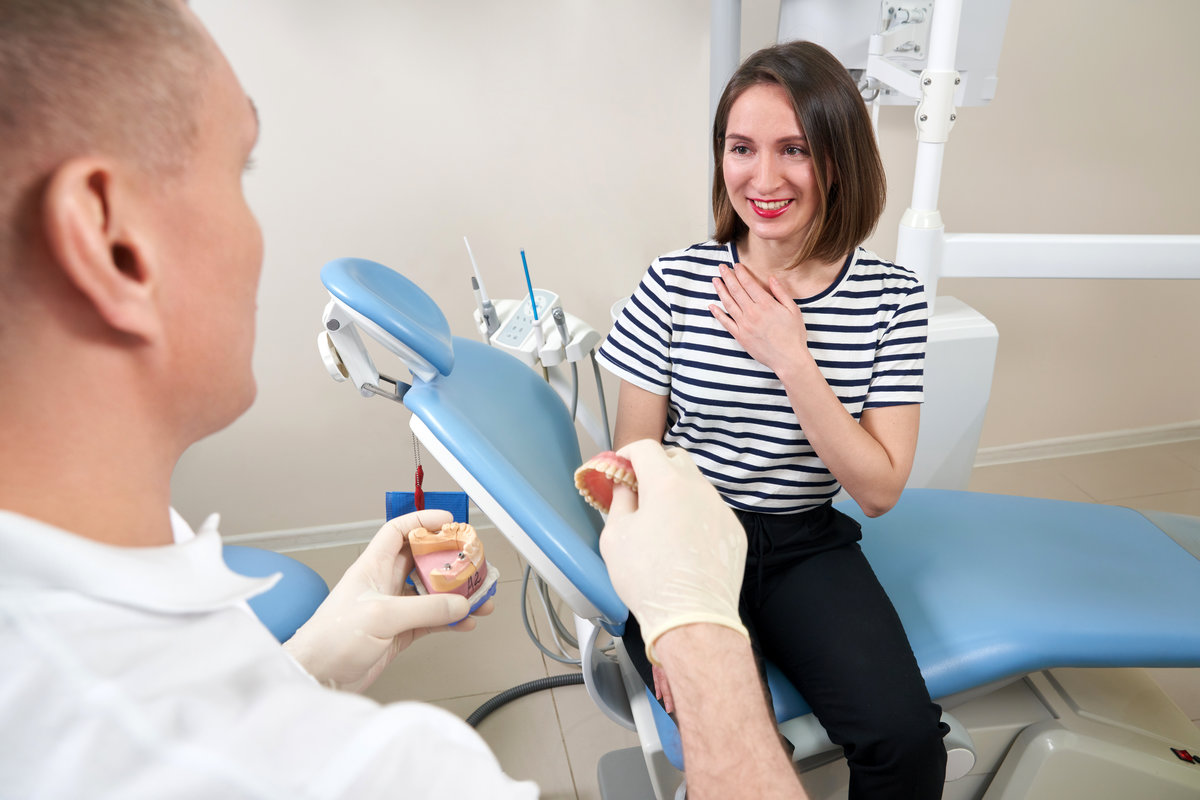
According to the American Academy of Pediatric Dentistry, early evaluation and timely interceptive orthodontic treatment can significantly reduce the complexity of treatment needed in adolescence. Phase I may involve appliances such as palatal expanders, partial braces, retainers, or space maintainers, depending on the specific issue being addressed. The goal is not to complete orthodontic treatment entirely but rather to guide growth in a healthy direction and simplify whatever Phase II treatment may follow.
“Think of it like adjusting the scaffolding of a building before the walls go up — by addressing structural issues early, we can influence how the jaw develops.”
Who Is a Good Candidate?
Not every child requires Phase I treatment, which is why a thorough orthodontic evaluation is the essential first step. Certain developmental patterns, however, are well-suited to this early treatment. Children who may benefit from it often have one or more of the following conditions:
- A narrow upper arch or crossbite that affects how the upper and lower jaws align
- Protruding front teeth that increase the risk of injury during play
- Significant crowding that suggests there is not enough room for permanent teeth
- Underbites or jaw discrepancies that are easier to correct while growth is still active
- Habits such as prolonged thumb-sucking that have influenced jaw shape
Early detection during routine pediatric dental cleanings and exams is often how these issues are first identified, making regular checkups a critical part of your child’s orthodontic journey.
“Early detection during routine pediatric dental cleanings and exams is often how these issues are first identified.”
Check out what others are saying about our dental services on Yelp: Smile Craft Dental in Sunnyvale, CA
What to Expect During Phase I Treatment
Phase I treatment typically lasts between 9 and 18 months, followed by a resting period during which we monitor your child’s growth while the remaining permanent teeth erupt. During this phase, your child will wear a custom appliance, and we will schedule periodic visits to check progress and make any necessary adjustments.
Our team at Smile Craft Dental uses a graceful, communicative strategy when working with children and their families. We take the time to explain every part of treatment clearly, address any concerns you may have, and make sure your child feels comfortable throughout the process. Our Sunnyvale office is equipped with advanced technology, including 3D dental scanning capabilities, which allows us to plan treatment with exceptional precision and give you a crystal clear picture of what to expect.
“Phase I treatment typically lasts between 9 and 18 months, followed by a resting period during which we monitor your child’s growth.”
The Long-Term Benefits
The benefits of Phase I treatment extend well beyond straighter teeth. By guiding jaw development during the growth years, interceptive treatment can improve breathing and airway function, reduce the likelihood of tooth extractions later in life, and create a foundation that makes Phase II treatment shorter and more predictable. For children whose jaw development may be contributing to airway concerns, our team also offers airway orthodontics in Sunnyvale as part of a comprehensive strategy that addresses full-body wellness.
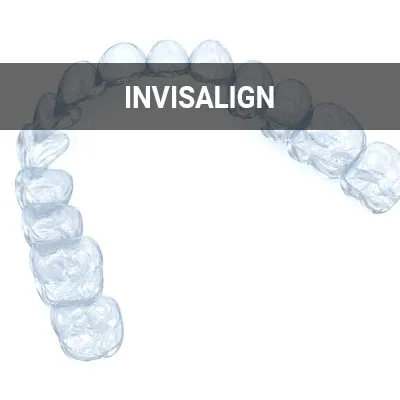
In some cases, early treatment means that Phase II will consist of little more than Invisalign to fine-tune alignment. Our Sunnyvale location proudly offers Invisalign for patients of appropriate ages, giving families a comfortable and discreet option for the finishing stages of orthodontic care.
“By guiding jaw development during the growth years, interceptive treatment can improve breathing and airway function.”
Questions Answered on This Page
Q. Who is a good candidate for Phase I treatment?
Q. What should I expect during Phase I treatment?
Q. What are the long-term benefits of Phase I treatment?
People Also Ask
Q. What does the dentist look for in a dental examination?
Q. Who is the right patient for a dental restoration?
Q. What additional treatments are available at a general dentist?
Q. What causes early orthodontic problems?
| Early orthodontic treatment in Sunnyvale — book your child’s Phase I evaluation today. | Request an Appointment |
Frequently Asked Questions About Phase I Treatment
At what age should my child have their first orthodontic evaluation?
A. The American Academy of Pediatric Dentistry recommends that children have an orthodontic evaluation around age 7, when the first permanent molars and incisors have typically erupted. This allows our team to identify any developing issues with jaw growth or tooth alignment while there is still an opportunity to intervene during the natural growth process.
Does my child need Phase I treatment?
A. Not every child needs Phase I treatment. It is specifically recommended for children who show signs of jaw discrepancies, crossbites, significant crowding, underbites, or other developmental concerns that are easier to address while growth is still active. A thorough orthodontic evaluation with imaging will determine whether early intervention is appropriate for your child.
How long does Phase I treatment last?
A. Phase I treatment typically lasts between 9 and 18 months, depending on the specific issues being addressed and how well your child responds to treatment. After the active treatment phase, there is a resting period during which we monitor your child’s growth and the eruption of permanent teeth before determining whether Phase II treatment is needed.
Will my child still need braces after Phase I treatment?
A. Many children do go on to have Phase II treatment after Phase I, but the scope and duration of that treatment is often significantly reduced. In some cases, Phase II may consist of little more than clear aligners to fine-tune alignment. The goal of Phase I is to create the best possible foundation so that whatever follows is simpler and more predictable.
What appliances are used during Phase I treatment?
A. The specific appliance depends on the issue being addressed. Common Phase I appliances include palatal expanders to widen a narrow upper arch, space maintainers to hold space for incoming permanent teeth, partial braces for targeted tooth movement, and retainers to guide jaw development. Our team will explain the recommended appliance clearly and make sure your child understands how to care for it.
How do I schedule a Phase I consultation at Smile Craft Dental?
A. Contact our Sunnyvale office to schedule a consultation. Our team will evaluate your child’s teeth, jaw, and growth patterns and discuss whether Phase I treatment is recommended. We accept most major insurance plans and our Spanish-speaking staff is available to ensure every family can communicate comfortably throughout the process.
Schedule a Phase I Consultation at Smile Craft Dental in Sunnyvale
Smile Craft Dental has built a reputation in Sunnyvale and the greater Bay Area as a practice where families feel genuinely heard and cared for. Dr. Chou, a graduate of the University of Pacific Arthur A. Dugoni School of Dentistry and a clinical instructor at UOP’s AEGD residency program, brings both deep expertise and a warm, attentive chairside manner to every appointment. Our team includes Spanish-speaking staff and accepts most major insurance plans, making high-quality orthodontic care accessible to the families in our community.
 Scan here to view this page, Phase I Treatment, on mobile

Dental Terminology
Mixed DentitionMixed dentition refers to the transitional stage of tooth development, typically between ages 6 and 12, when a child has both baby teeth and permanent teeth present in the mouth at the same time. This period is considered the optimal window for Phase I interceptive orthodontic treatment.
Palatal ExpanderA palatal expander is an orthodontic appliance placed in the upper arch of the mouth to gradually widen the upper jaw. It is commonly used during Phase I treatment to create more space for crowded teeth, correct crossbites, and improve nasal breathing by widening the nasal passages.
CrossbiteA crossbite occurs when one or more upper teeth bite inside the lower teeth rather than outside them. It can affect a single tooth or a section of the jaw and is often associated with narrow upper arches. Crossbites caught during the growth years are well-suited to Phase I treatment using a palatal expander.
UnderbiteAn underbite is a malocclusion in which the lower jaw protrudes beyond the upper jaw, causing the lower front teeth to sit in front of the upper front teeth when biting. Early intervention during Phase I can be particularly effective for correcting underbites because the jaw is still actively growing.
Phase II TreatmentPhase II treatment is the comprehensive orthodontic treatment that follows Phase I, typically beginning once most or all of the permanent teeth have erupted. Its goal is to finalize tooth alignment and bite function. When Phase I has been completed successfully, Phase II treatment is often shorter and less complex.
Interceptive OrthodonticsInterceptive orthodontics is a branch of orthodontic care focused on identifying and treating dental and jaw development problems early, during the years when a child’s growth can be guided. It encompasses a range of appliances and techniques designed to prevent more complex issues from developing as permanent teeth come in.
DentistA dentist, also known as a dental surgeon, is a doctor who specializes in the diagnosis, prevention, and treatment of diseases and conditions of the oral cavity.
Schedule Your Phase I Consultation at Smile Craft Dental
If your child is between the ages of 6 and 10, or if you have noticed any changes in how their teeth are coming in, now is a great time to take action. Early evaluation is quick, comfortable, and can provide invaluable peace of mind. Contact our office today to schedule a Phase I consultation at our Sunnyvale location and give your child the best possible start for a healthy, confident smile. Call us at (650) 880-1550.
Helpful Related Links
- American Academy of Pediatric Dentistry (AAPD). Home Page. 2024
- American Dental Association (ADA). Glossary of Dental Clinical Terms. 2024
- American Academy of Cosmetic Dentistry® (AACD). Home Page.
2024 - WebMD. WebMD’s Oral Care Guide. 2024
About our business, license, and website security
- Smile Craft Dental was established in 2019.
- We accept the following payment methods: American Express, Cash, Check, Discover, MasterCard, and Visa
- We serve patients from the following counties: San Mateo County and Santa Clara County
- We serve patients from the following cities: Sunnyvale, Santa Clara, Mountain View, Cupertino, San Jose, Campbell, Los Altos, Milpitas, and Saratoga
- Norton Safe Web. View Details
- Trend Micro Site Safety Center. View Details
 Scan here to open directions to Smile Craft Dental on mobile
Back to top of Phase I (Interceptive) Treatment in Sunnyvale, CA