

Ready for a Healthier, Brighter Smile?(650) 880-1550Book Appointment
Medically reviewed by Dr. Amy Nguyen, DDS

Sitemap for Smile Craft Dental in Redwood City, CA

Cosmetic Dental Services

Dental Services

Dental Procedures

Branded Dental Products

Dental Focus

Helpful Dental Information

7 Signs You Need Endodontic Surgery

7 Things Parents Need to Know About Invisalign for Teens

Adjusting to New Dentures

Alternative to Braces for Teens

Am I a Candidate for Dental Implants

Can a Cracked Tooth be Saved with a Root Canal and Crown

Conditions Linked to Dental Health

Dental Anxiety

Dental Health and Preexisting Conditions

Dental Health During Pregnancy

Dental Insurance

Denture Care

Diseases Linked to Dental Health

Do I Have Sleep Apnea

Do I Need a Root Canal

Does Invisalign® Really Work

Early Orthodontic Treatment

Emergency Dentist vs. Emergency Room

Flexible Spending Accounts

Health Care Savings Account

How Does Dental Insurance Work

How Proper Oral Hygiene May Improve Overall Health

I Think My Gums Are Receding

Improve Your Smile for Senior Pictures

Invisalign vs Traditional Braces

Is Invisalign Teen Right for My Child

Medications That Affect Oral Health

Multiple Teeth Replacement Options

Office Roles – Who Am I Talking To

Options for Replacing All of My Teeth

Options for Replacing Missing Teeth

Oral Hygiene Basics

Post-Op Care for Dental Implants

Preventative Dental Care

Questions to Ask at Your Dental Implants Consultation

Reduce Sports Injuries With Mouth Guards

Solutions for Common Denture Problems

Tell Your Dentist About Prescriptions

The Dental Implant Procedure

The Difference Between Dental Implants and Mini Dental Implants

The Truth Behind Root Canals

Types of Dental Root Fractures

What Can I Do to Improve My Smile

What Do I Do If I Damage My Dentures

What Does a Dental Hygienist Do

What is an Endodontist

What Should I Do If I Chip My Tooth

What to Expect When Getting Dentures

When a Situation Calls for an Emergency Surgery

When Is a Tooth Extraction Necessary

When to Spend Your HSA

Which is Better Invisalign or Braces

Why Are My Gums Bleeding

Why Dental Sealants Play an Important Part in Protecting Your Child’s Teeth

Will I Need a Bone Graft for Dental Implants

General Information

Still Can’t Find?

Related Posts

A missing tooth changes more than a smile. It shifts how you chew, how you speak, and how confident you feel every time you catch your reflection. If you are wondering how long it takes to fix that gap for good, the process generally unfolds over several months, with most of that time dedicated to natural healing rather than active treatment.

Smile Craft Dental walks patients in Redwood City and Sunnyvale through every stage of that process with clear communication and steady support. Dr. Janice Chou and Dr. Brendon Nguyen use advanced technology to plan each tooth replacement option around your specific needs, so you always know what comes next and why.

What Happens During the Initial Consultation?

The first step in getting a dental implant is a thorough consultation. We examine your jawbone density, gum health, and overall oral condition using detailed imaging to determine if you are a good candidate for single tooth implants. This step matters because every mouth heals differently, and the plan we build around your specific anatomy shapes how smoothly the rest of the process goes.

Building Your Personalized Plan

This visit also gives us the chance to talk through your goals and any concerns you may have. Some patients need a bone graft before implant placement can begin, which can extend the overall timeline. Others are ready to move forward right away, and we build a personalized plan around whichever situation applies to you.

Jawbone health plays a bigger role in these timelines than many patients realize, since research from the National Institute of Dental and Craniofacial Research shows adults between 20 and 64 years old retain an average of 25.5 permanent teeth, with tooth loss becoming more common as people age. Knowing where you stand before treatment begins helps us set expectations that actually fit your situation, rather than a generic timeline that may not apply to you.

How Long Does Implant Placement and Healing Take?

Once your plan is set, the next phase is the surgical placement of the titanium implant post into the jawbone. The length and specifics of this appointment can vary depending on the location of the implant, the number of teeth being replaced, and the overall complexity of your case.

What Happens During Osseointegration

After placement, your body needs time to fuse the implant with the surrounding bone in a process called osseointegration. This healing phase forms the foundation that allows your new tooth to function like a natural one. During this window, we monitor your progress with follow-up visits and provide guidance on postoperative care to support a smooth recovery.

A stable, well-integrated implant is far more likely to hold up well over time with proper care, which is part of why we prioritize thorough healing over rushing to the final restoration. Skipping ahead too quickly can compromise how well the implant performs for years to come, so we pace this stage around what your body needs rather than a fixed calendar.

What Are the Final Steps Before the Crown Is Placed?

Once osseointegration is complete, we attach a small connector piece called an abutment to the implant, and the surrounding gum tissue needs some time to heal around it. After the gums have settled, we take precise impressions to design your custom crown, crafted to match the color, shape, and size of your surrounding teeth so it blends naturally into your smile.

Some patients also ask how implants compare to mini implants at this stage, particularly if they are replacing more than one tooth or working with a narrower jawbone. We are happy to walk through which option makes the most sense before the crown is placed, so you feel confident in the choice.

What Factors Can Extend the Implant Timeline?

Several variables can influence how quickly you move from consultation to a finished restoration. Understanding these factors ahead of time helps set realistic expectations for your treatment plan.

  • Bone Density: Insufficient jawbone volume may require a bone graft before implant placement can move forward
  • Tooth Extraction: If a damaged tooth needs removal first, the extraction site needs time to heal before the next step
  • Overall Health: Conditions like uncontrolled diabetes or smoking can slow healing and affect how osseointegration progresses
  • Number of Implants: Replacing several teeth at once may require a more involved planning and placement process than a single implant

Every patient heals differently, and we adjust your timeline based on how your body responds at each stage rather than rushing toward a predetermined date.

Start Your Dental Implant Process With Smile Craft Dental

Every stage of the dental implant process, from your first consultation through the final crown placement, is designed to move at a pace that fits your needs rather than a fixed schedule. Dr. Chou brings a background from the University of the Pacific Arthur A. Dugoni School of Dentistry to every case she plans, and Dr. Nguyen brings the same steady, patient-first approach shaped by years of community dental outreach across the Bay Area.

If you are ready to explore whether dental implants are the right fit for your smile, reach out through our contact form to schedule a consultation at our Redwood City or Sunnyvale office, where our Spanish-speaking staff is available to support you. We look forward to helping you take the next step toward a fuller, more confident smile.
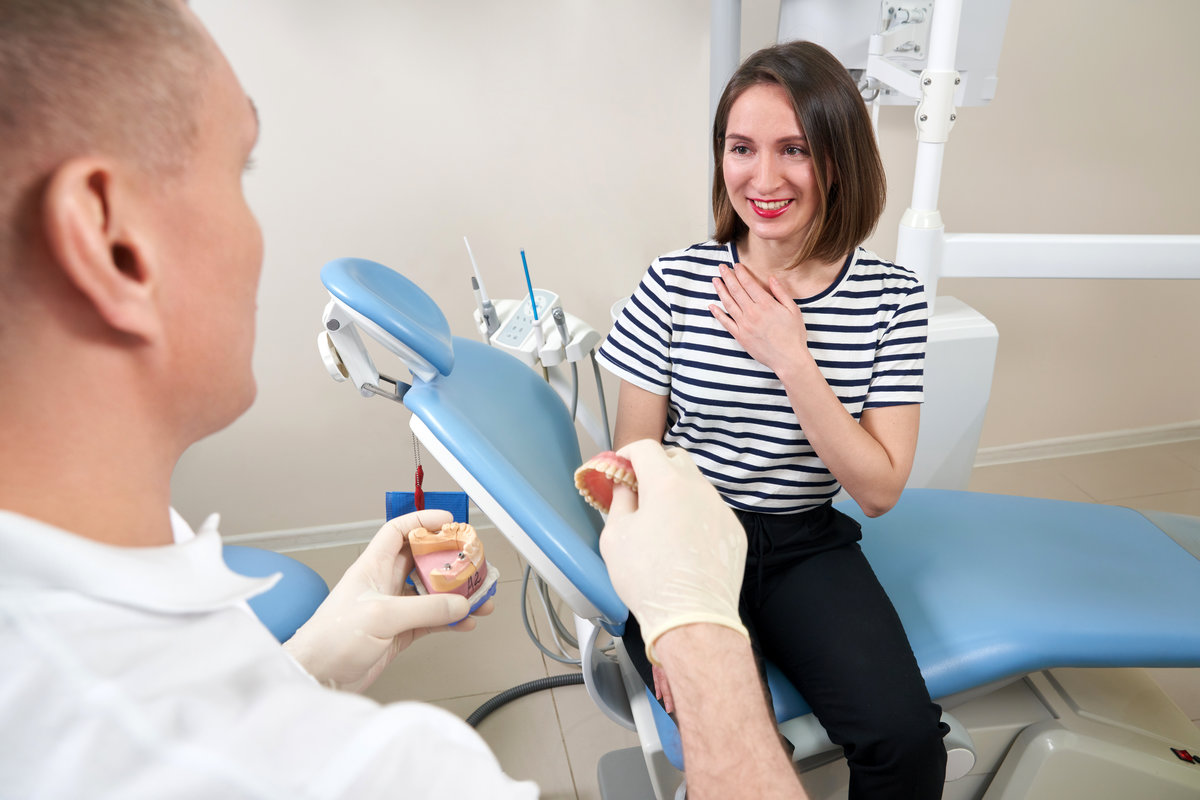
Losing a tooth changes more than your smile. Suddenly, chewing on one side feels safer, speaking clearly takes more effort, and the empty space seems to draw your tongue back to it again and again, like a missing puzzle piece you cannot stop searching for. The good news is that modern dentistry offers two dependable ways to fill that gap, and understanding how they differ can make the decision feel far less overwhelming.

At Smile Craft Dental, we walk patients through exactly that decision every week, weighing lifestyle, oral health, and long-term goals before recommending a path forward. Our restorative dentistry team takes the time to explain the reasoning behind each option, so patients feel confident in their choice rather than just following instructions.

What Sets a Dental Implant Apart from a Dental Bridge

Think of a dental implant as rebuilding a tree from the roots up. A small titanium post is placed directly into the jawbone, where it gradually fuses with the bone in a process called osseointegration. Once healed, that post supports a custom crown that functions like a natural tooth root, stimulating the bone every time you bite down, the same way a real root would. Patients curious about the full process can explore what an implant procedure actually involves from start to finish.

A dental bridge works more like a suspension bridge between two riverbanks. It relies on the healthy teeth on either side of the gap for support rather than anchoring into the jawbone. Those neighboring teeth are prepared to hold crowns, and an artificial tooth, called a pontic, is fused between them to fill the space. Surgery is not part of the process, which is part of why bridges have remained a trusted option for generations of patients.

What Are the Pros and Cons of Dental Implants

The post continues to stimulate the bone the way a natural root would, which helps preserve jawbone density for years to come. Neighboring teeth stay completely untouched, since nothing needs to be reshaped or crowned to hold the implant in place. Day-to-day care is also refreshingly simple. Brushing and flossing an implant looks and feels just like caring for a natural tooth. For patients further along in the process, proper implant restoration is what ultimately makes that natural look and feel possible.

That root-level connection does come with tradeoffs. Getting there requires a minor surgical procedure, and the full timeline, from placement to the final crown, can stretch across several months while the bone heals. The upfront investment also tends to run higher than a bridge, and candidates generally need enough bone density and overall health to support a smooth recovery.

What Are the Pros and Cons of Dental Bridges

Picture two appointments spread over a few weeks, no surgery, and a finished smile. That is the appeal for a lot of patients. The pontic is custom shaded to match its surroundings so convincingly that most people cannot pick it out from the natural teeth beside it. For anyone whose health or jawbone would make surgery a harder road, this faster path is often the more practical one.

The tradeoff sits with the teeth doing the supporting. Preparing them for crowns means permanently removing some healthy enamel, and without a root underneath the pontic to stimulate it, the jawbone in that area can gradually lose density over time. A bridge also tends to need replacing every five to fifteen years, considerably sooner than a well-placed implant, which long-term studies show surviving at rates commonly in the 90 to 95 percent range over a decade or more, according to research published by the National Center for Biotechnology Information.

Cost is rarely the only factor worth weighing here. A few other questions tend to shape the decision just as much:

  • Number of missing teeth: A single gap may make either option workable, while multiple missing teeth in a row often point toward a bridge or implant-supported solution
  • Overall health: Conditions that slow healing may make a bridge more practical, while good bone health can make an implant a strong long-term investment
  • Timeline: Bridges move faster from start to finish, while implants ask for patience during the healing phase
  • Long-term goals: A bridge solves the problem today, while an implant is built with decades in mind

Reviewing a full comparison of tooth replacement options can also help put both choices in context alongside dentures and other alternatives.

Choose Smile Craft Dental for Your Tooth Replacement Options in Redwood City and Sunnyvale

Dr. Janice Chou and Dr. Brendon Nguyen bring genuine care and clear communication to every consultation, making sure patients understand their options before committing to a path forward. Our team listens first and explains second, so the decision feels like a partnership rather than a sales pitch, no matter which direction a patient is leaning. Anyone weighing an implants consultation is welcome to start that conversation with us directly.

If you are ready to talk through what makes sense for your smile, reach out to Smile Craft Dental today. Our Redwood City and Sunnyvale locations are here to help you find the tooth replacement option that fits your health, your budget, and your life.

Our Locations
Call Us Today
Comments/Suggestions
Skip to content