Smile Craft Dental provides bone grafting in Sunnyvale to rebuild jawbone density and create a stable, long-lasting foundation for dental implants when natural bone volume is insufficient.
Request an Appointment
"*" indicates required fields
Same-week appointments available
A bone graft rebuilds jawbone that has been lost after a tooth goes missing, giving a future dental implant a dense, stable foundation to fuse with. When a tooth is lost, the root that once stimulated the surrounding bone is gone, and the jaw gradually loses height and width. Bone grafting reverses that loss by placing graft material at the site to encourage new, natural bone growth.
According to a review published in the National Institutes of Health’s PubMed Central, bone grafting is required in approximately one in every four dental implants, making it a common and well-established part of implant preparation.
"Bone grafting rebuilds the jawbone, giving your future implant the strong foundation it needs to last."
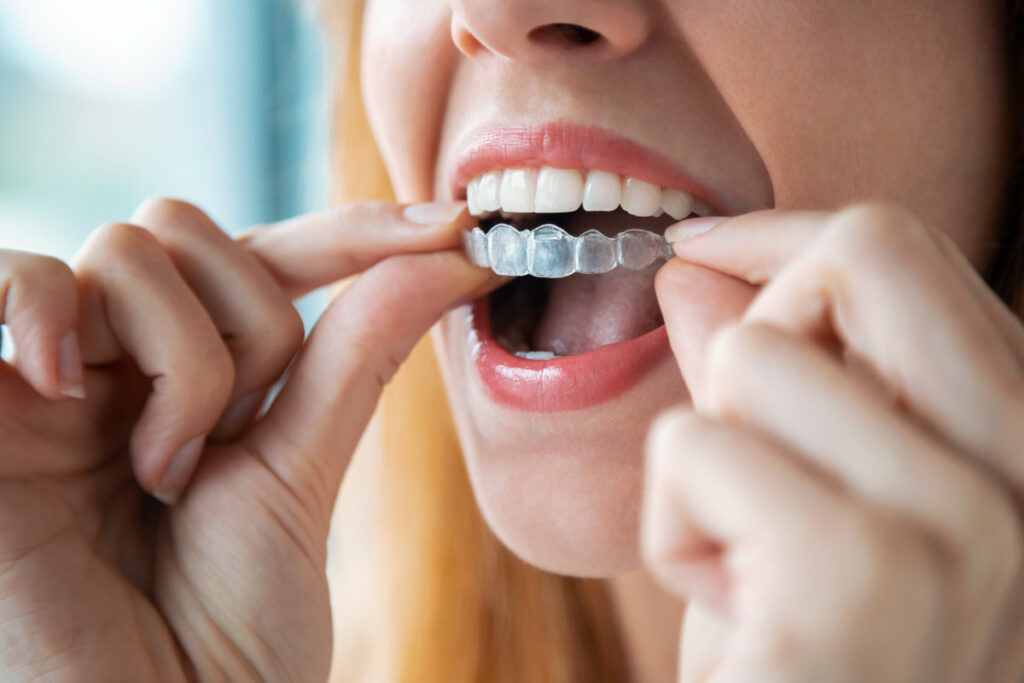
Not every implant patient needs a bone graft, but many do. Here's who benefits most:
The longer a tooth has been missing, the more jawbone tends to resorb, often requiring a graft before an implant can be placed.
Gum disease can damage the bone that supports your teeth, leaving less volume for an implant to anchor into.
Injury or a difficult extraction can leave the jawbone thinner than it needs to be for a stable implant.
Patients exploring dental implants for the first time often need a graft evaluation as part of treatment planning.
Years of wearing dentures without an implant can accelerate bone loss in the jaw over time.
Patients who want to use PPO benefits, which may provide partial coverage for bone grafting as part of implant preparation.
Not sure if you need a bone graft? A thorough exam and digital imaging will show whether your jawbone can support an implant.
Our Sunnyvale team pairs advanced diagnostic technology — including digital imaging, AI-assisted diagnostics, and 3D printing capabilities — with a conversational, patient-centered approach, so you always understand your bone density, your options, and why a particular graft material is recommended for your case.
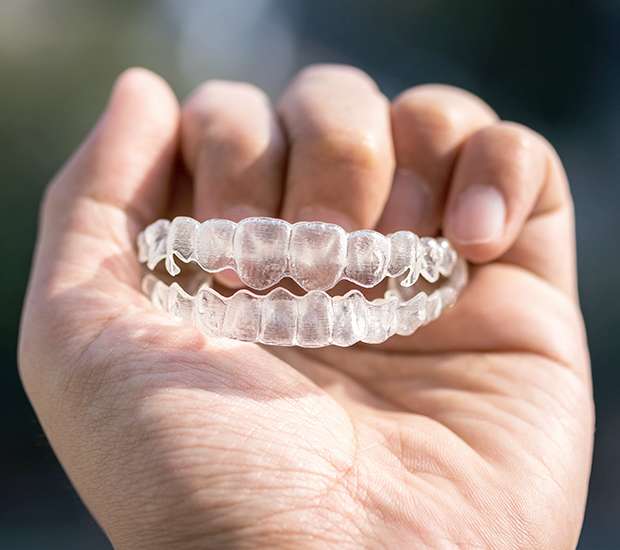
Bone grafting is typically a straightforward outpatient procedure — here's how it works.
We use advanced imaging to assess your bone density and volume and map the ideal graft placement before we begin.
We review your options — autograft, allograft, xenograft, or synthetic graft material — and recommend the one that best fits your case.
Under local anesthesia, we place the graft material at the site in a routine outpatient visit, typically completed within a few hours.
The gum tissue closes over the graft site within about two to three weeks while your body begins to accept the graft material.
Over the following three to six months, your body fuses the graft with your natural bone, creating the foundation needed for implant placement.

We accept most major PPO insurance plans, and some plans provide partial coverage for bone grafting as part of implant preparation. We do not accept Delta Dental, but our team is happy to help you understand your coverage. Flexible financing options are also available, and our Spanish-speaking staff can walk you through your benefits and payment options in the language you’re most comfortable with.
Bone grafting works best when it’s paired with careful at-home care. A few simple habits during healing can help your graft integrate successfully and keep your recovery on track.
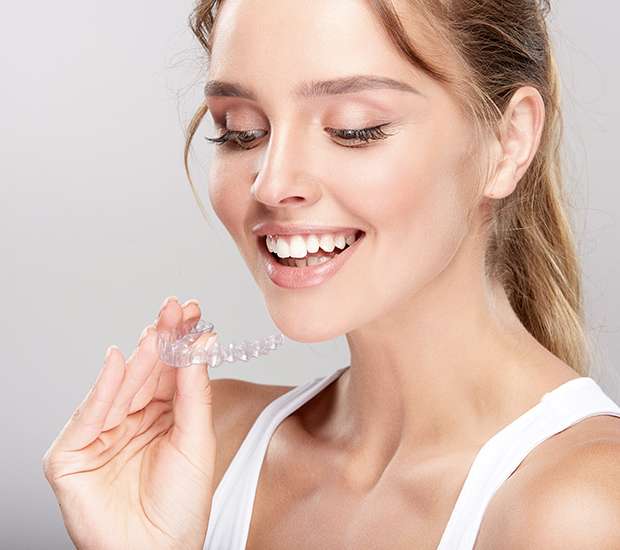
Take over-the-counter pain medication and use cold compresses for any initial soreness or swelling. Stick to soft foods and avoid chewing near the graft site, and maintain excellent oral hygiene without disturbing the surgical area. Keep your follow-up appointments so we can monitor healing.
Not every bone graft uses the same material — here's how your own bone compares to donor-based and synthetic options.
| Factor | Autograft (Your Own Bone) | Allograft, Xenograft & Synthetic Grafts |
|---|---|---|
| Source | Taken from another area of your own body | Donor bank, animal-derived, or lab-made material |
| Compatibility | Excellent — often considered the gold standard | Strong clinical evidence; no second surgical site needed |
| Procedure | Requires a second surgical site to harvest bone | Single surgical site; often preferred for smaller grafts |
| Best For | Larger grafts needing maximum compatibility | Smaller to moderate grafts where convenience matters |
At Smile Craft Dental, your bone grafting procedure is handled by a dedicated team who takes time to explain every step clearly.
Dr. Janice Chou, DDS
Lead Dentist · Smile Craft Dental Sunnyvale
Dr. Chou graduated from the University of the Pacific Arthur A. Dugoni School of Dentistry and leads Smile Craft Dental Sunnyvale with a focus on thorough, unhurried care. She works alongside Dr. Brendon Nguyen to carefully evaluate your bone density and jaw volume before recommending whether — and what type of — bone grafting is right for you. Her approach is straightforward: listen carefully, explain everything in plain language, and never recommend care that isn’t the right fit.
See what patients say about their experience at Smile Craft Dental.
Answers to the questions patients ask most about bone grafting for dental implants.
Several graft materials are available, and the right choice depends on your bone density, the graft site, and your treatment plan. Autografts use bone from your own body and are often considered the gold standard for compatibility. Allografts come from a processed, sterilized donor bank, xenografts are derived from animal (typically bovine) sources, and synthetic grafts are lab-made materials designed to mimic natural bone.
Bone grafting is typically performed under local anesthesia, so you shouldn't feel pain during the procedure itself. Afterward, mild discomfort, swelling, or bruising is common for a few days and is usually manageable with over-the-counter pain medication and cold compresses.
Initial soft-tissue healing over the graft site typically takes two to three weeks. Full integration of the graft with your natural bone — the point at which an implant can usually be placed — generally takes three to six months, though this varies based on the size and location of the graft and your individual healing.
Bone grafting is a well-established, routine procedure, but as with any surgery there are risks such as infection, graft failure, or delayed healing. These risks are uncommon and are minimized through careful evaluation, digital imaging, and following post-operative care instructions closely.
Coverage varies by plan — some PPO plans provide partial coverage for bone grafting as part of implant preparation. We accept most major insurance plans and offer flexible financing options, and our team will help you understand your coverage and benefits.
Smile Craft Dental is a family dental practice serving Sunnyvale and the surrounding South Bay. We accept most major PPO insurance plans, offer flexible financing options, and have Spanish-speaking staff available to assist patients who prefer communicating in Spanish. If you're ready to find out whether bone grafting is the right first step toward your dental implant, contact us to schedule your consultation.
Sunnyvale, CA
Serving the South Bay and surrounding communities
We use cookies to improve your experience on our site. By using our site, you consent to cookies.
Manage your cookie preferences below:
Essential cookies enable basic functions and are necessary for the proper function of the website.
CloudFlare provides web performance and security solutions, enhancing site speed and protecting against threats.
Service URL: developers.cloudflare.com (opens in a new window)
These cookies are needed for adding comments on this website.
Google reCAPTCHA helps protect websites from spam and abuse by verifying user interactions through challenges.
Google Tag Manager simplifies the management of marketing tags on your website without code changes.
Statistics cookies collect information anonymously. This information helps us understand how visitors use our website.
Google Analytics is a powerful tool that tracks and analyzes website traffic for informed marketing decisions.
Service URL: policies.google.com (opens in a new window)
Marketing cookies are used to follow visitors to websites. The intention is to show ads that are relevant and engaging to the individual user.
Google Maps is a web mapping service providing satellite imagery, real-time navigation, and location-based information.
Service URL: policies.google.com (opens in a new window)