Why Does Bone Loss Happen After Tooth Loss?
When a natural tooth is removed or falls out, the root that once stimulated the surrounding bone is gone. Without that stimulation, the body begins to resorb the bone tissue, gradually reducing the height and width of the jawbone. This process can begin within weeks of a tooth loss and continue over time if untreated. The good news is that modern bone grafting techniques can reverse this bone loss and create the foundation needed for a successful implant.
According to a review published on the National Institutes of Health’s PubMed Central, bone grafting is a well-accepted procedure required in approximately one in every four dental implants, underscoring just how common and how important this preparatory step is. As part of our commitment to staying current with dental advancements, we use the latest materials and techniques to make this process as efficient and comfortable as possible.
“Modern bone grafting techniques can reverse this bone loss and create the foundation needed for a successful implant.”
What Is a Dental Bone Graft?
A dental bone graft is a procedure where bone material is placed at the site of bone loss to stimulate new growth and increase the volume of your jaw. Think of it like adding soil to a depleted garden bed before planting. Without enough volume, the roots can’t take hold. With the graft in place, your body gradually incorporates the graft material and produces new, natural bone.
“With the graft in place, your body gradually incorporates the graft material and produces new, natural bone.”
What Types of Bone Graft Materials Are Used?
There are several types of graft materials used in modern dentistry, each with specific advantages. The type recommended for you will depend on your bone density, the location of the graft, and the overall treatment plan.
The most common types include:
- Autografts: Bone taken from your own body, often considered the gold standard because it’s the most compatible with your tissue
- Allografts: Bone sourced from a donor bank that has been processed and sterilized for safe use
- Xenografts: Bone derived from animal sources, typically bovine, which is processed into a biocompatible scaffold that supports new bone growth
- Synthetic grafts: Lab-made materials designed to mimic natural bone structure and promote regeneration without the need for donor material
Each option has strong clinical evidence supporting it, and our team will always recommend the option that best fits your unique situation.
“Our team will always recommend the option that best fits your unique situation.”
Check out what others are saying about our dental services on Yelp: Smile Craft Dental in Sunnyvale, CA
What Does the Bone Grafting Process Like at Smile Craft Dental?
Bone grafting is typically a straightforward outpatient procedure, and the most important thing to understand is that it’s a preparatory step, not a setback. Recovery time ranges from a few weeks to several months before the implant is placed, and our team closely monitors your progress throughout.
Most patients manage recovery comfortably with over-the-counter medication and cold compresses for any initial soreness or swelling. Most return to normal activity within a day or two while the bone continues to develop beneath the surface. As part of our restorative dentistry services in Sunnyvale, we use advanced imaging to assess your bone density and map ideal graft placement before we ever begin.
“Bone grafting is a preparatory step, not a setback.”
Who Is a Good Candidate for Bone Grafting Before Implants?
Not every patient who wants an implant needs a bone graft, but many do, especially if there has been a significant time interval between tooth loss and the decision to pursue an implant. Patients who have experienced periodontal disease, trauma, or tooth decay may also have lost bone in the affected area. A thorough examination and digital imaging at our office will give us a clear picture of your current bone volume and whether, and what, is needed to prepare the site.
Our Sunnyvale cosmetic dentistry and restorative teams work closely together to ensure that every treatment plan is comprehensive, from addressing the underlying foundation to delivering the final, beautiful result. We also welcome Spanish-speaking patients and have staff available to assist you in your preferred language.
Questions Answered on This Page
Q. Why does bone loss happen after tooth loss?
Q. What is a dental bone graft?
Q. What types of bone graft materials are used?
Q. What does the bone grafting process look like at Smile Craft Dental?
Q. Who is a good candidate for bone grafting before implants?
People Also Ask
Q. When should people seek an implant dentist?
Q. When is a dental restoration necessary?
Q. What happens during the implant placement surgery?
Q. What is restorative dentistry?
| Ready to start your implant journey in Sunnyvale? Request your bone grafting consultation today. | Request an Appointment |
Frequently Asked Questions About Bone Grafting for Implants
How soon after tooth loss does bone loss begin?
A. Bone resorption can begin within weeks of tooth loss. Without the root stimulating the surrounding bone, the body gradually reduces the height and width of the jawbone over time. Early intervention with bone grafting can help preserve the foundation needed for a future implant.
How common is bone grafting before a dental implant?
A. According to a review published on the National Institutes of Health’s PubMed Central, bone grafting is required in approximately one in every four dental implants. It is a well-accepted and routine preparatory procedure that gives implants a stable, long-term foundation.
What type of bone graft material is best?
A. The best material depends on your bone density, the location of the graft, and your overall treatment plan. Autografts use your own bone and are often considered the gold standard for compatibility. Allografts, xenografts, and synthetic options are also clinically proven alternatives. Our team will recommend the option that best fits your unique situation.
How long is recovery after a bone graft?
A. Most patients return to normal activity within a day or two. Recovery before implant placement can range from a few weeks to several months, depending on individual healing. Any initial soreness or swelling is typically manageable with over-the-counter medication and cold compresses, and our team monitors your progress closely throughout.
Do I need a bone graft before getting an implant?
A. Not every implant patient requires a bone graft, but many do — particularly if significant time has passed since tooth loss, or if periodontal disease, trauma, or decay has affected the area. A thorough examination and digital imaging at our office will determine whether bone grafting is needed to prepare your site.
Do you accept dental insurance for bone grafting treatment?
A. We accept most major insurance plans and offer flexible payment options to make dental care accessible to our community. Our team will work with you to understand your coverage and maximize available benefits for your bone grafting and implant treatment.
| Preparing for implants in Sunnyvale? Bone grafting available — financing options to fit your budget. | Explore Financing Options |
Schedule Your Bone Grafting Consultation at Smile Craft Dental in Sunnyvale, CA
Bone grafting for implants is one of the most impactful restorative procedures we offer, giving patients who once thought implants were out of reach a clear path forward. Whether you need a socket preservation graft, a ridge augmentation, or a sinus lift, we have the training, technology, and compassion to guide you through it. Dr. Janice Chou graduated from the University of Pacific Arthur A. Dugoni School of Dentistry and continues her education through ongoing clinical teaching, ensuring our care reflects the most current standards in the field.
If you’re ready to find out whether bone grafting is the right first step toward your dental implant, we invite you to reach out to our Sunnyvale office at (650) 967-9900 or book an appointment by completing our contact form. Your new smile starts with a strong foundation, and we are ready to help you build it.
 Scan here to view this page on mobile
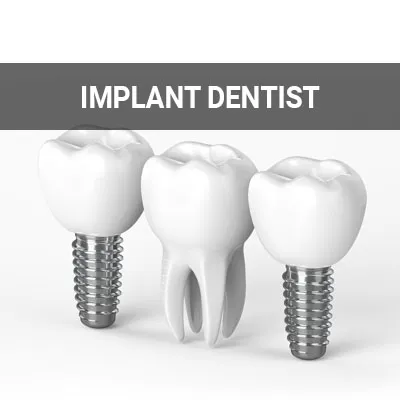
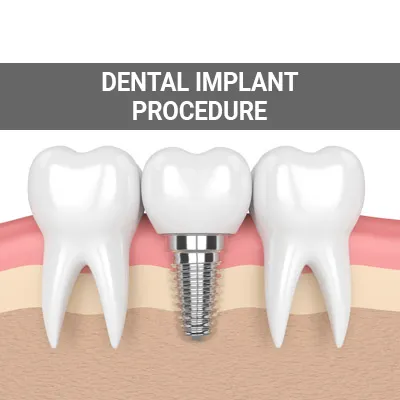
Dental Implant Terminology
Dental CrownA crown is an artificial tooth, usually consisting of porcelain, which covers the top of the implant to provide people with an aesthetically pleasing and fully-functional tooth.
Endosteal (endosseous)Endosteal is a type of dental implant that a professional places in the alveolar and basal bone of the mandible that transcends only one cortical plate.
Implant-Supported BridgeAn implant-supported bridge is a dental bridge that professionals fix in place with the use of dental implants inserted in the jaw to create a sturdy set of artificial teeth.
Helpful Related Links
- National Library of Medicine. Survival Rate of Dental Implants. 2024
- American Dental Association (ADA). Glossary of Dental Clinical Terms. 2024
- American Academy of Cosmetic Dentistry® (AACD). Home Page.
2024 - WebMD. WebMD’s Oral Care Guide. 2024
About our business, license, and website security
- Smile Craft Dental was established in 2019.
- We accept the following payment methods: American Express, Cash, Check, Discover, MasterCard, and Visa
- We serve patients from the following counties: San Mateo County and Santa Clara County
- We serve patients from the following cities: Sunnyvale, Santa Clara, Mountain View, Cupertino, San Jose, Campbell, Los Altos, Milpitas, and Saratoga
- Norton Safe Web. View Details
- Trend Micro Site Safety Center. View Details
 Scan here to open directions to Smile Craft Dental on mobile
Back to top of Bone Grafting for Implants in Sunnyvale, CA