3 Common Dental Emergencies and How to Prevent Them

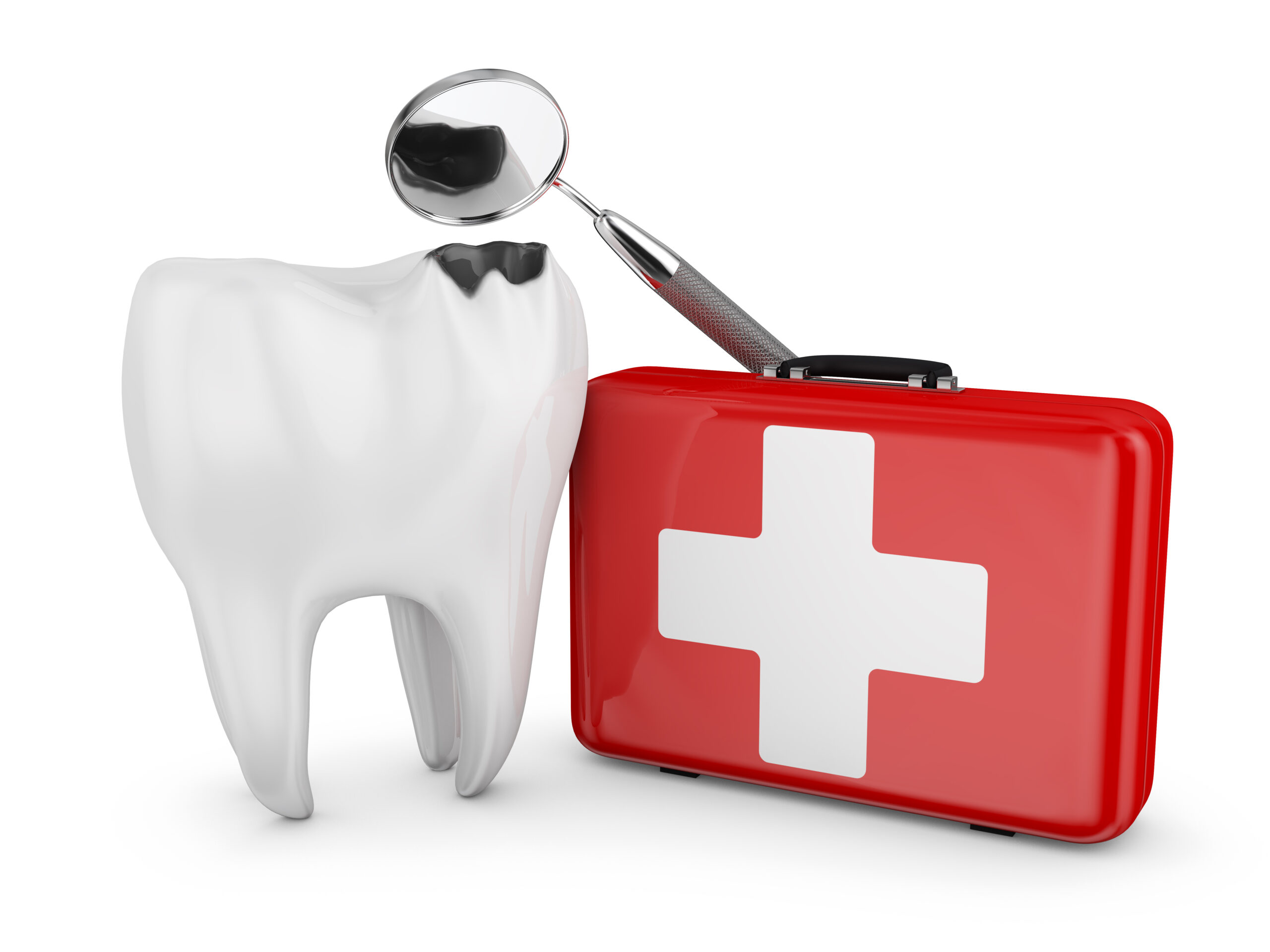
decayed tooth, a dental mirror and a red suitcase with white cross

Dental emergencies rarely announce themselves in advance. One moment everything is fine, and the next you’re dealing with a broken tooth, intense pain, or something worse, often at the least convenient time possible. The reassuring part is that many of the most common dental emergencies are also among the most preventable, and knowing what to do when one happens can make a significant difference in the outcome.

Understanding the situations most likely to send someone to an emergency dentist, and the habits that reduce the risk of getting there, is genuinely useful information for anyone who wants to protect their smile long-term. Here’s a closer look at three dental emergencies that come up frequently, along with practical guidance on how to avoid them.

1. Toothaches Caused by Decay or Infection

Toothaches are one of the most common reasons people seek urgent dental care, and they’re often a sign that something more serious is developing beneath the surface.

What Causes Them?

A persistent, throbbing toothache is typically a sign that untreated tooth decay has progressed deep enough to reach the inner pulp of the tooth, where the nerves and blood vessels live. Once bacteria reach the pulp, infection can develop quickly, and what started as a dull ache can escalate into severe pain, swelling, and even an abscess.

According to MouthHealthy.org, when a toothache strikes, the immediate steps are to rinse the mouth with warm water, gently floss to clear any food that may be trapped between teeth, and avoid placing aspirin directly on the gum tissue, as it can cause irritation. These measures can provide temporary relief, but they are not a substitute for seeing a dentist — pain that doesn’t resolve within a day or two warrants prompt professional attention.

How to Prevent It

The most reliable way to prevent decay-related toothaches is straightforward: don’t let decay go undetected or untreated. Brushing twice daily with fluoride toothpaste, flossing consistently, and attending routine dental cleanings gives your dentist the opportunity to catch cavities while they are small and manageable, before they have the chance to work their way toward the nerve. Early-stage decay is treated quickly and comfortably; an infected tooth is a much more involved situation.

2. Cracked or Broken Teeth

Cracked and broken teeth are surprisingly easy to come by, and the causes range from everyday habits to unexpected impacts.

What Causes Them?

Chewing on ice, hard candy, or popcorn kernels is a common culprit, as is biting down unexpectedly on something harder than expected in a meal. Contact sports without a mouthguard are another major source of tooth fractures, as are habits like grinding or clenching at night, which place repetitive stress on enamel over time. Even a tooth with a large, older filling can be more vulnerable to cracking because the remaining natural tooth structure has less support.

When a tooth does crack or break, the ADA recommends rinsing the mouth immediately with warm water and applying a cold compress to the outside of the face to manage any swelling. Even if the break isn’t painful right away, the tooth should be seen promptly, as a crack that extends toward the root or exposes the pulp creates an opening for bacteria and can lead to infection if left unaddressed.

How to Prevent It

Several practical habits go a long way toward protecting teeth from fractures. Wearing a properly fitted mouthguard during contact sports or any recreational activity with a risk of facial impact is one of the most effective protections available. For patients who grind or clench at night, a custom night guard can absorb much of the force before it reaches the teeth, significantly reducing the wear and fracture risk that builds up over months and years. Avoiding the habit of chewing on ice or other hard objects removes another common trigger entirely.

3. Knocked-Out Teeth

A knocked-out tooth is one of the most time-sensitive dental emergencies there is, and the actions taken in the first few minutes matter enormously.

What Causes Them?

Also known clinically as an avulsed tooth, a knocked-out tooth most often results from a fall, a collision during sports or physical activity, or an impact to the face. The tooth itself may look fine once it’s out, which leads some people to underestimate the urgency of the situation. In reality, the clock starts immediately, and getting to a dentist within an hour of the injury gives the tooth the best possible chance of being successfully reimplanted.

If a permanent tooth is knocked out, the ADA’s guidance is clear: handle the tooth by the crown only, never the root, and keep it moist. If possible, gently reposition it in the socket without forcing it. If that’s not an option, placing the tooth between the cheek and gums, or in a small container of milk, helps preserve it while getting to a dentist as quickly as possible. Baby teeth are not reimplanted in the same way, but a dentist should still be contacted for guidance.

How to Prevent It

The single most effective preventive measure for knocked-out teeth is consistent mouthguard use during sports and high-impact activities. This applies to adults and children alike, and it extends beyond obvious contact sports like football or hockey. Basketball, soccer, cycling, skateboarding, and even recreational activities can all carry the risk of a sudden facial impact. At Smile Craft Dental, custom-fitted mouthguards are far more protective than over-the-counter options because they are made precisely to the contours of your teeth, offering better cushioning and a more secure fit.

Prevent Emergencies with Smile Craft Dental

The thread connecting all three of these emergencies, including decay, fractures, and traumatic tooth loss, is that consistent, proactive dental care reduces the risk of all of them. Routine checkups create the opportunity to catch problems early, identify structural vulnerabilities, and recommend protective devices before an emergency has the chance to develop. At Smile Craft Dental, our team is committed to helping patients maintain strong, healthy smiles with the kind of attentive, patient-centered care that makes a real difference over time.

You can reach us anytime through our contact form. Spanish-speaking staff are available at both locations, and we accept most major insurance plans, excluding Delta Dental.
Related Posts

We are committed to providing quality service to residents located In the Redwood City, CA area. Our website has additional information about the following topics: Dentist, Cosmetic Dentist, Family Dentist, General Dentist, Emergency Dentist, Dental Implants, All-on-4 Dental Implants, Implant Crowns, Dental Crowns and CEREC Crowns.

We all want our smiles to look their best, and thankfully, cosmetic dentistry can help them do that in many ways. Even though we try our best to care for our teeth, brush, floss, and we go to the dentist, bad things can still happen to our smiles that we are not prepared for. That does not mean that we cannot fix the damage that life does to our smiles; it means that we have to talk to our dentist about available cosmetic solutions and what our goals are for our smiles. 

What is cosmetic dentistry? 

There are many different dental specialties that handle different aspects of your teeth, gums, tongue, and mouth, such as orthodontics, endodontics, and laser dentistry. Cosmetics is another type of dental specialty that works to improve the look of your smile. The way your smile looks is important for many reasons. Smiling is the first thing many people see when they meet someone. It boosts our self-confidence and self-esteem and makes us more approachable and confident. 

Having a smile that is in rough shape can impact your quality of life, including how you appear to others, but it can also lead to health problems and the inability to enjoy some of the things you used to enjoy. 

Chances are you may have already had some type of cosmetic dental procedure done before without even realizing it. One of the great things about cosmetic procedures is that many of them actually improve the health of your smile as well. 

What procedures are considered cosmetic?  

Many procedures are categorized as cosmetic; even braces can sometimes be considered cosmetic by the insurance company if the tooth alignment issue is not severe enough to cause serious issues. 

That being said, there are plenty of procedures that patients seek out just to make their smile appear that much better. 

The most common cosmetic dentistry procedure is teeth whitening. Dental teeth whitening uses powerful chemicals to penetrate the surface of the teeth to remove staining in the deep layers of the enamel and make the teeth many shades whiter. A bright white smile is what most patients want most from the dentist, and you can thank this cosmetic procedure for a whiter smile. 

Whether you want a whiter smile, to cover up some chips and cracks, or need to hide severe damage to your smile while you have it worked on, you can find a cosmetic dental procedure. It is is important to find the solution that works best with your goals and dental needs. 

Discuss options with your dentist  

Cosmetic dental procedures are an important part of going to the dentist. A great-looking smile is a way to improve how we think and feel about ourselves, and a cosmetic dentist has lots of ways to help improve your smile. From straightening to whitening, a better smile is just a few steps away. Reach out today to learn more. 

Request an appointment here: https://www.mysmilecraft.com or call Smile Craft Dental at (650) 880-1550 for an appointment in our Redwood City office.

Check out what others are saying about our dental services on Yelp: Cosmetic Dentistry in Redwood City, CA.

Dental implants are becoming a very popular choice for replacing missing teeth. Many patients ask about implants because they are known to look and feel the most like natural teeth. 

Any person could need to replace a missing tooth or teeth for a variety of reasons. You may not have kept up on your oral hygiene as well as you should have and now may suffer from periodontal disease. Another reason to replace teeth could be because you have suffered a major accident.

Regardless of the reason to need to replace missing teeth, you do not have to live with a smile that isn’t perfect. With today’s technology, you can get a new smile with the help of your dentist in very little time. 

What are dental implants?

These replacement teeth are screwed directly into your jawbone by using titanium screws. This titanium screw will, in time, fuse to the living bone cells in your jaw. The replacement tooth, also known as the crown, is made of porcelain over metal material and looks like your natural tooth. The implant is secured to the abutment. This is a connector that can only be removed by your dentist. These artificial teeth are the most effective long-term solution. They fit, feel, and function like your original teeth. 

How much do they cost?

These replacement teeth can be very costly. You must discuss all your options with your dentist in depth before deciding. You can call your dental insurance coverage provider to determine if they will cover any or all the costs. 

If you find out you will be left with an out-of-pocket expense, you can ask your dental office staff if you can set up payment arrangements or if they have financing available to help you with your implant expense. The price of getting implants is possible with either of these options. 

How do implants feel inside your mouth?

Implants are popular because they look and feel as natural as your original teeth. You take care of them just as you would your natural teeth as well. You can brush and floss them. Your implants allow you to resume eating any food you want. You can go on with life as if you don’t even have false teeth. 

You should always establish and keep up with a proper oral hygiene routine. Make and keep your routine six-month checkups to ensure your implants are in good condition. These visits are where you can discuss any concerns you have with your dentures. They will address them and help you maintain the best oral health possible. 

Your smile with your dental implants in place will remain confident and white. There is no need to go without replacing your missing teeth in today’s world. There are many options available that are safe and effective, and within your reach. Ask your dentist about implants as a replacement option.

Contact your dentist

The first step to getting dental implants is to schedule an appointment with your dentist. Dental implants can help to improve the appearance and function of your teeth. Call today to maintain your beautiful smile. 

Request an appointment here: https://www.mysmilecraft.com or call Smile Craft Dental at (650) 880-1550 for an appointment in our Redwood City office.

Check out what others are saying about our dental services on Yelp: Dental Implants in Redwood City, CA.

Considering a full mouth reconstruction? This treatment is recommended when individuals have missing or severely decayed teeth. Read on to learn more about what is involved in this type of oral restoration.

6 Things to know about full mouth reconstruction

Outlined below are a few common questions and answers about full mouth reconstructions. It can be helpful to review the following information when considering this treatment.

1. What does a full mouth reconstruction involve?

full mouth reconstruction involves replacing, rebuilding, and reconstructing the oral cavity through different procedures, such as bridges or implants. Functionality, esthetics, and form are all the dentist’s focus when performing a full mouth reconstruction.

2. How long does the full mouth reconstruction process take?

The process varies for each person, however, most individuals require multiple appointments in order to get the desired results. In some cases, the dentist may be able to successfully reconstruct the oral cavity in one visit, however, other times, multiple appointments over a few weeks or months may be necessary.

3. What is recovery from full mouth reconstruction like?

Recovering from varies per patient, however, for the most part, there are a few general expectations that are good to be aware of. Individuals will experience discomfort, sensitivity, swelling, and inflammation, all of which require constant attention to remedy and manage. General dentists recommend the following for a successful recovery:

  • Rinse with saltwater or a prescribed rinse to keep the mouth clean and disinfected
  • Eat a diet consisting of soft foods or liquids
  • Avoid touching the wounds
  • Take pain medication, whether prescribed or over-the-counter
  • Change gauze carefully and gently

4. Is a full mouth reconstruction painful?

It can be, yes. However, general dentists want individuals to understand that the pain is temporary and can be managed with medication and at-home remedies. Individuals will not feel pain during the full mouth reconstruction itself, but rather after the procedures have been completed. The dentist can prescribe pain medication, as well as oral rinses to keep the mouth clean during the healing process. Rinses eliminate the need to brush as usual, which may induce further discomfort.

5. Are there any benefits to full mouth reconstruction?

The benefits of full mouth reconstruction include the ability to replace an entire arch of teeth all at once, which can be convenient for individuals looking to get everything done at one time. Additionally, the treatment can significantly restore bad oral health which is oftentimes the result of having missing teeth.

6. What are the risks of full mouth reconstruction?

There are not a lot of risks associated with full mouth reconstruction, however, general dentists do like patients to know that there is the potential for complications to occur. Most treatments involve the placement of dental implants in order to replace missing teeth. Dental implants are almost always successful, but in some rare situations, they may be rejected by the body, which can result in discomfort and a need for more in-depth treatment.

Getting started with full mouth reconstruction

When looking to learn more about the full mouth reconstruction process, it is best to consult directly with a general dentist. Further questions can be appropriately addressed and an evaluation can be done in order to identify the best place to start. Reach out today get scheduled for an appointment.

Request an appointment here: https://www.mysmilecraft.com or call Smile Craft Dental at (650) 880-1550 for an appointment in our Redwood City office.

Check out what others are saying about our dental services on Yelp: Full Mouth Reconstruction in Redwood City, CA.

Our Locations
Call Us Today
Comments/Suggestions
Skip to content