When teeth are missing, badly worn, or damaged across the mouth, treating a single tooth at a time is rarely enough to restore comfort and function. A full mouth reconstruction takes a comprehensive approach, combining several treatments into one coordinated plan that rebuilds the health, function, and appearance of your smile. If you have been living with widespread decay, tooth loss, or ongoing discomfort, understanding how the process works can help you feel more confident about the path ahead. Below, our team answers the questions patients ask most often.
What Does a Full Mouth Reconstruction Involve?
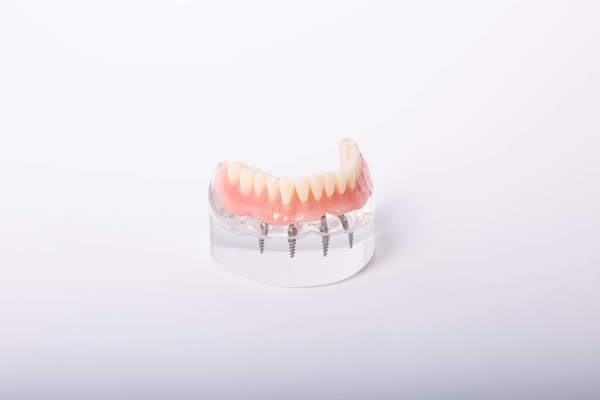
A full mouth reconstruction is a customized plan that replaces, rebuilds, and restores the teeth and supporting structures using a combination of procedures. Depending on your needs, that may include crowns, dental bridges, or dental implants, along with treatments that address the gums and bite. The goal is to restore three things at once: function, so you can chew and speak comfortably; health, so your teeth and gums are stable and easy to maintain; and appearance, so your smile looks natural and balanced. Because every mouth is different, no two reconstruction plans are exactly alike.
How Long Does the Process Take?
The timeline varies from person to person and depends on how much work is involved. Some patients complete their care in a handful of visits, while more complex cases may unfold over several weeks or months. Treatments that involve healing, such as implant placement, naturally extend the timeline because the body needs time to recover between stages. During your consultation, our team will map out a realistic schedule so you know what to expect at each step and can plan accordingly.
What Is Recovery Like?
Recovery also depends on which procedures are part of your plan. In general, it is normal to experience some tenderness, sensitivity, or mild swelling as your mouth heals, and these effects usually ease with time and proper care. To support a smooth recovery, dentists commonly recommend the following:
- Rinse gently with warm saltwater or a prescribed rinse to keep the area clean.
- Choose soft foods and cool liquids while tissues are healing.
- Avoid disturbing any surgical or treated areas with your tongue or fingers.
- Take any medication exactly as directed to stay comfortable.
- Follow your team’s instructions for cleaning and follow-up visits.
Following these guidelines closely helps reduce discomfort and supports better long-term results. If anything feels unusual during healing, reaching out to your dental team promptly is always the right move.
Is a Full Mouth Reconstruction Painful?
The procedures themselves are performed with anesthesia, so you should not feel pain during treatment. Any discomfort tends to come afterward, as the mouth heals, and it is usually temporary and manageable. Your dentist can recommend appropriate pain relief and gentle care measures, such as prescribed rinses, to keep you comfortable while brushing may be limited around treated areas. Most patients find the temporary healing period well worth the lasting improvement in comfort and function.
What Are the Benefits and Risks?
The benefits of a full mouth reconstruction can be significant. Restoring an entire arch or the whole mouth at once can improve your ability to eat and speak, protect your remaining oral health, and give you a smile you feel good about. When missing teeth are replaced, implants can also help preserve the jawbone and prevent neighboring teeth from shifting. Dental implants are a well-documented option for replacing missing teeth, and an evidence summary of a Cochrane review published in PMC describes implants as an established approach for tooth replacement.
As with any treatment, there are considerations to be aware of. Procedures that involve implants rely on healthy healing, and in rare cases an implant may not integrate as expected, which can call for additional care. Choosing an experienced dental team and following your aftercare instructions closely are two of the best ways to support a successful outcome and reduce the likelihood of complications.
How Do I Get Started With Full Mouth Reconstruction?
The best first step is a thorough evaluation. During a consultation, our team can examine your teeth, gums, and bite, discuss your goals, and identify the ideal starting point for your care. From there, we build a plan tailored to your needs and explain each stage clearly so you can move forward with confidence. If you are considering a full mouth reconstruction, we welcome you to contact our office to schedule an appointment at our Redwood City or Sunnyvale location.
Frequently Asked Questions About Full Mouth Reconstruction
What is the difference between a full mouth reconstruction and a smile makeover?
A full mouth reconstruction focuses on restoring health and function when teeth are missing, damaged, or worn, while a smile makeover is primarily cosmetic. The two can overlap, since rebuilding function often improves appearance as well, but reconstruction is driven by clinical need first.
Who is a candidate for full mouth reconstruction?
Patients with multiple missing teeth, extensive decay, significant wear, or ongoing bite problems may benefit from a full mouth reconstruction. An evaluation is the only way to know for certain, since the right plan depends on the condition of your teeth, gums, and jaw.
Will my full mouth reconstruction be covered by insurance?
Coverage depends on your plan and which procedures are medically necessary. Many reconstruction plans include treatments that insurance may help cover. Our team accepts most major insurance plans and can help you understand your benefits and available payment options.
Can a full mouth reconstruction be done in one visit?
Some cases can be addressed in a small number of visits, but most reconstructions involve multiple stages, especially when healing time is needed between procedures such as implant placement. Your dentist will outline a timeline that fits the specific treatments in your plan.
How long do the results of a full mouth reconstruction last?
With good oral hygiene and regular dental visits, the results can last many years. Restorations such as implants are designed to be durable, and consistent home care combined with professional maintenance helps protect your investment over the long term.
The Smile Craft Dental Team
Smile Craft Dental