
Ready for a Healthier, Brighter Smile?(650) 880-1550Book Appointment

How to Make Your Dental Implants Last a Lifetime

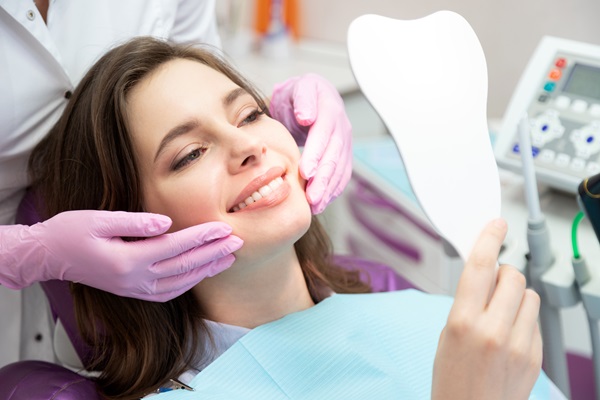
Happy elderly woman enjoying her beautiful toothy smile looking to the mirror in the dental office

Dental implants represent one of the most significant investments you can make in your oral health, offering a permanent solution that can restore both function and aesthetics to your smile. However, like any major investment, implants require proper care and maintenance to ensure they deliver the decades of reliable service they’re designed to provide.

At Smile Craft Dental, we understand that choosing dental implant surgery is a decision that goes beyond the initial procedure. Our team is committed to helping patients protect their investment through comprehensive maintenance strategies and personalized care plans that ensure long-term success.

Understanding Your Dental Implants

Dental implants consist of three main components: the titanium post that integrates with your jawbone, the abutment that connects to the post, and the crown that serves as your visible tooth. This sophisticated design mimics the structure of natural teeth, which is why implants can last a lifetime with proper care. The titanium post fuses with your bone through a process called osseointegration, creating a stable foundation that’s as strong as a natural tooth root. This fusion is also why implants are uniquely able to preserve and stimulate jawbone density in a way no other tooth replacement can replicate.

Understanding this structure helps you appreciate why certain maintenance practices are essential for long-term success. The junction between the implant and gum tissue requires particular attention, as this area is vulnerable to bacterial accumulation that could compromise the implant’s stability over time.

Daily Care Routines That Protect Your Investment

The foundation of implant longevity begins with your daily oral hygiene routine. Brushing twice daily with a soft-bristled toothbrush protects the crown and surrounding gum tissue from plaque accumulation. We recommend using a low-abrasive toothpaste to avoid scratching the crown’s surface, which could harbor bacteria. Flossing around implants requires special attention, as the junction between the implant and gum tissue can trap food particles and bacteria.

Beyond standard brushing and flossing, implant maintenance benefits from specialized cleaning approaches. Antimicrobial mouth rinses can reduce bacterial load around implant sites, though they should complement rather than replace mechanical cleaning. Many patients find that interdental brushes or water flossers work particularly well for cleaning around implant restoration work.

Professional Maintenance and Regular Monitoring

While home care forms the cornerstone of implant maintenance, professional monitoring plays an equally critical role in long-term success. Regular dental visits allow us to detect potential issues before they compromise your implant. During these appointments, we perform specialized cleanings using instruments designed specifically for implant surfaces, removing calculus buildup that could trigger inflammation. If you are still evaluating whether implants are the right fit, our post on who makes a good candidate for dental implants covers the health and bone factors that most directly influence outcomes.

We use plastic or carbon fiber instruments rather than metal scalers, which prevents scratching the titanium surface or damaging the crown. These specialized cleanings typically occur every three to six months, depending on your individual risk factors and oral hygiene effectiveness. We also take periodic radiographs to monitor bone levels around the implant, ensuring that osseointegration remains stable and that no bone loss is occurring beneath the gum line.

Lifestyle Factors That Impact Implant Longevity

Certain lifestyle choices significantly influence how long your implants remain healthy and functional. Smoking represents one of the most serious risk factors for implant failure, as tobacco use impairs blood flow to the gums and compromises the body’s ability to fight infection around implant sites. Similarly, uncontrolled diabetes can affect osseointegration and increase susceptibility to peri-implantitis, an inflammatory condition that threatens implant stability.

Dietary habits also play a role in implant maintenance. While implants can withstand normal chewing forces, habitually chewing ice or hard candies can damage crowns or place excessive stress on the implant-bone interface. Additionally, limiting sugary and acidic foods helps maintain healthy gum tissue around implants, just as it does for natural teeth.

Recognizing Warning Signs and Seeking Prompt Care

Understanding the warning signs of potential implant problems enables you to seek care before minor issues escalate into serious complications. Bleeding or swelling around an implant, increased sensitivity, or looseness in the crown all warrant immediate professional evaluation. Some patients experience a condition called peri-implantitis, where inflammation develops in the tissues surrounding the implant, similar to gum disease around natural teeth. Reviewing the published data on dental implant success rates can help you understand what influences outcomes and why consistent maintenance is so important.

Changes in your bite or the way your implant crown feels when you chew may indicate that the restoration needs adjustment. Even subtle shifts deserve attention, as they could signal changes in the underlying bone or problems with the implant components. We encourage our patients to contact us whenever they notice anything unusual, as prompt intervention typically leads to simpler, more successful solutions.

Partner With Smile Craft Dental for Lifelong Implant Success

At Smile Craft Dental, we view implant placement as the beginning of a long-term partnership with our patients. Dr. Janice Chou and our experienced team provide comprehensive follow-up care that includes detailed maintenance education, regular monitoring, and prompt intervention when needed. Our commitment to using advanced dental technology ensures that we can detect potential issues at their earliest stages, giving you the best chance for lifelong implant success.

Ready to learn more about protecting your dental implant investment? Contact us today to schedule a consultation with our team. We serve patients throughout Redwood City and Sunnyvale with personalized care plans designed to keep your smile healthy and beautiful for life.

Frequently Asked Questions About Dental Implant Maintenance

How should I clean around dental implants at home?

Brush twice daily with a soft-bristled toothbrush and a low-abrasive toothpaste, paying close attention to the gumline where the implant crown meets soft tissue. Use implant-specific floss or a water flosser daily to remove debris from areas the brush cannot reach. An antimicrobial rinse used once a day can further reduce bacterial load around the implant site. Your dental team can demonstrate the most effective technique for your specific restoration at your next visit.

Can dental implants fail after they are placed?

Implant failure is uncommon but can occur, particularly when underlying health conditions are unmanaged or home hygiene is inconsistent. The most common cause of late failure is peri-implantitis, an inflammatory process that destroys the bone supporting the implant. Smoking, poorly controlled diabetes, and infrequent professional cleanings are the strongest risk factors. Catching early signs such as swelling, bleeding at the implant site, or a sense of looseness gives the dental team the best opportunity to intervene before failure occurs.

How long do dental implants typically last?

The titanium implant post can last a lifetime when bone support is maintained and oral hygiene is consistent. The porcelain crown attached to the implant typically lasts 10 to 15 years before it may need replacement due to normal wear. Attending professional cleanings every three to six months, avoiding habits that place excessive force on the implant such as chewing ice or grinding teeth without a nightguard, and not smoking are the strongest predictors of long-term success.

What are the signs of peri-implantitis?

Peri-implantitis is an inflammatory condition affecting the gum and bone around a dental implant. Common signs include persistent redness or swelling at the gumline, bleeding when you brush or floss near the implant, a bad taste or odor that does not resolve with regular brushing, and a feeling that the implant is shifting. Early-stage peri-implantitis can often be managed with professional debridement and improved home care, so contacting your provider at the first sign of symptoms is important.

Does smoking affect dental implant longevity?

Smoking significantly elevates the risk of implant complications. Tobacco use impairs blood flow to gum tissue, slows healing after placement, and increases susceptibility to peri-implantitis. Many providers recommend stopping smoking before implant placement and maintaining that abstinence through the healing period. Patients who continue to smoke after receiving implants require more frequent professional monitoring and must maintain rigorous daily hygiene to counteract the elevated risk tobacco use creates for implant stability.
Related Posts

We are committed to providing quality service to residents located In the Redwood City, CA area. Our website has additional information about the following topics: Dentist, Cosmetic Dentist, Family Dentist, General Dentist, Emergency Dentist, Dental Implants, All-on-4 Dental Implants, Implant Crowns, Dental Crowns and CEREC Crowns.

We all want our smiles to look their best, and thankfully, cosmetic dentistry can help them do that in many ways. Even though we try our best to care for our teeth, brush, floss, and we go to the dentist, bad things can still happen to our smiles that we are not prepared for. That does not mean that we cannot fix the damage that life does to our smiles; it means that we have to talk to our dentist about available cosmetic solutions and what our goals are for our smiles. 

What is cosmetic dentistry? 

There are many different dental specialties that handle different aspects of your teeth, gums, tongue, and mouth, such as orthodontics, endodontics, and laser dentistry. Cosmetics is another type of dental specialty that works to improve the look of your smile. The way your smile looks is important for many reasons. Smiling is the first thing many people see when they meet someone. It boosts our self-confidence and self-esteem and makes us more approachable and confident. 

Having a smile that is in rough shape can impact your quality of life, including how you appear to others, but it can also lead to health problems and the inability to enjoy some of the things you used to enjoy. 

Chances are you may have already had some type of cosmetic dental procedure done before without even realizing it. One of the great things about cosmetic procedures is that many of them actually improve the health of your smile as well. 

What procedures are considered cosmetic?  

Many procedures are categorized as cosmetic; even braces can sometimes be considered cosmetic by the insurance company if the tooth alignment issue is not severe enough to cause serious issues. 

That being said, there are plenty of procedures that patients seek out just to make their smile appear that much better. 

The most common cosmetic dentistry procedure is teeth whitening. Dental teeth whitening uses powerful chemicals to penetrate the surface of the teeth to remove staining in the deep layers of the enamel and make the teeth many shades whiter. A bright white smile is what most patients want most from the dentist, and you can thank this cosmetic procedure for a whiter smile. 

Whether you want a whiter smile, to cover up some chips and cracks, or need to hide severe damage to your smile while you have it worked on, you can find a cosmetic dental procedure. It is is important to find the solution that works best with your goals and dental needs. 

Discuss options with your dentist  

Cosmetic dental procedures are an important part of going to the dentist. A great-looking smile is a way to improve how we think and feel about ourselves, and a cosmetic dentist has lots of ways to help improve your smile. From straightening to whitening, a better smile is just a few steps away. Reach out today to learn more. 

Request an appointment here: https://www.mysmilecraft.com or call Smile Craft Dental at (650) 880-1550 for an appointment in our Redwood City office.

Check out what others are saying about our dental services on Yelp: Cosmetic Dentistry in Redwood City, CA.

Dental implants are becoming a very popular choice for replacing missing teeth. Many patients ask about implants because they are known to look and feel the most like natural teeth. 

Any person could need to replace a missing tooth or teeth for a variety of reasons. You may not have kept up on your oral hygiene as well as you should have and now may suffer from periodontal disease. Another reason to replace teeth could be because you have suffered a major accident.

Regardless of the reason to need to replace missing teeth, you do not have to live with a smile that isn’t perfect. With today’s technology, you can get a new smile with the help of your dentist in very little time. 

What are dental implants?

These replacement teeth are screwed directly into your jawbone by using titanium screws. This titanium screw will, in time, fuse to the living bone cells in your jaw. The replacement tooth, also known as the crown, is made of porcelain over metal material and looks like your natural tooth. The implant is secured to the abutment. This is a connector that can only be removed by your dentist. These artificial teeth are the most effective long-term solution. They fit, feel, and function like your original teeth. 

How much do they cost?

These replacement teeth can be very costly. You must discuss all your options with your dentist in depth before deciding. You can call your dental insurance coverage provider to determine if they will cover any or all the costs. 

If you find out you will be left with an out-of-pocket expense, you can ask your dental office staff if you can set up payment arrangements or if they have financing available to help you with your implant expense. The price of getting implants is possible with either of these options. 

How do implants feel inside your mouth?

Implants are popular because they look and feel as natural as your original teeth. You take care of them just as you would your natural teeth as well. You can brush and floss them. Your implants allow you to resume eating any food you want. You can go on with life as if you don’t even have false teeth. 

You should always establish and keep up with a proper oral hygiene routine. Make and keep your routine six-month checkups to ensure your implants are in good condition. These visits are where you can discuss any concerns you have with your dentures. They will address them and help you maintain the best oral health possible. 

Your smile with your dental implants in place will remain confident and white. There is no need to go without replacing your missing teeth in today’s world. There are many options available that are safe and effective, and within your reach. Ask your dentist about implants as a replacement option.

Contact your dentist

The first step to getting dental implants is to schedule an appointment with your dentist. Dental implants can help to improve the appearance and function of your teeth. Call today to maintain your beautiful smile. 

Request an appointment here: https://www.mysmilecraft.com or call Smile Craft Dental at (650) 880-1550 for an appointment in our Redwood City office.

Frequently Asked Questions About Dental Implants

How long do dental implants typically last?

With proper care, dental implants can last decades and often a lifetime, though the crown attached to the implant may need replacement after 10-15 years of normal wear.

Is the dental implant procedure painful?

Most patients report the procedure itself is comfortable under local anesthesia, with any post-procedure soreness manageable with over-the-counter or prescribed pain relief.

Can dental implants fail?

Implant failure is uncommon but can happen, often related to insufficient bone density, infection, or improper healing, which is why follow-up visits matter.

Are dental implants noticeable to others?

No, implant crowns are custom-matched to your natural tooth color and shape, making them indistinguishable from your surrounding teeth.

Do dental implants require special cleaning?

Implants are cared for just like natural teeth, with regular brushing, flossing, and routine dental checkups to monitor their condition.

Check out what others are saying about our dental services on Yelp: Dental Implants in Redwood City, CA.


When teeth are missing, badly worn, or damaged across the mouth, treating a single tooth at a time is rarely enough to restore comfort and function. A full mouth reconstruction takes a comprehensive approach, combining several treatments into one coordinated plan that rebuilds the health, function, and appearance of your smile. If you have been living with widespread decay, tooth loss, or ongoing discomfort, understanding how the process works can help you feel more confident about the path ahead. Below, our team answers the questions patients ask most often.

What Does a Full Mouth Reconstruction Involve?

A full mouth reconstruction is a customized plan that replaces, rebuilds, and restores the teeth and supporting structures using a combination of procedures. Depending on your needs, that may include crowns, dental bridges, or dental implants, along with treatments that address the gums and bite. The goal is to restore three things at once: function, so you can chew and speak comfortably; health, so your teeth and gums are stable and easy to maintain; and appearance, so your smile looks natural and balanced. Because every mouth is different, no two reconstruction plans are exactly alike.

How Long Does the Process Take?

The timeline varies from person to person and depends on how much work is involved. Some patients complete their care in a handful of visits, while more complex cases may unfold over several weeks or months. Treatments that involve healing, such as implant placement, naturally extend the timeline because the body needs time to recover between stages. During your consultation, our team will map out a realistic schedule so you know what to expect at each step and can plan accordingly.

What Is Recovery Like?

Recovery also depends on which procedures are part of your plan. In general, it is normal to experience some tenderness, sensitivity, or mild swelling as your mouth heals, and these effects usually ease with time and proper care. To support a smooth recovery, dentists commonly recommend the following:

  • Rinse gently with warm saltwater or a prescribed rinse to keep the area clean.
  • Choose soft foods and cool liquids while tissues are healing.
  • Avoid disturbing any surgical or treated areas with your tongue or fingers.
  • Take any medication exactly as directed to stay comfortable.
  • Follow your team’s instructions for cleaning and follow-up visits.

Following these guidelines closely helps reduce discomfort and supports better long-term results. If anything feels unusual during healing, reaching out to your dental team promptly is always the right move.

Is a Full Mouth Reconstruction Painful?

The procedures themselves are performed with anesthesia, so you should not feel pain during treatment. Any discomfort tends to come afterward, as the mouth heals, and it is usually temporary and manageable. Your dentist can recommend appropriate pain relief and gentle care measures, such as prescribed rinses, to keep you comfortable while brushing may be limited around treated areas. Most patients find the temporary healing period well worth the lasting improvement in comfort and function.

What Are the Benefits and Risks?

The benefits of a full mouth reconstruction can be significant. Restoring an entire arch or the whole mouth at once can improve your ability to eat and speak, protect your remaining oral health, and give you a smile you feel good about. When missing teeth are replaced, implants can also help preserve the jawbone and prevent neighboring teeth from shifting. Dental implants are a well-documented option for replacing missing teeth, and an evidence summary of a Cochrane review published in PMC describes implants as an established approach for tooth replacement.

As with any treatment, there are considerations to be aware of. Procedures that involve implants rely on healthy healing, and in rare cases an implant may not integrate as expected, which can call for additional care. Choosing an experienced dental team and following your aftercare instructions closely are two of the best ways to support a successful outcome and reduce the likelihood of complications.

How Do I Get Started With Full Mouth Reconstruction?

The best first step is a thorough evaluation. During a consultation, our team can examine your teeth, gums, and bite, discuss your goals, and identify the ideal starting point for your care. From there, we build a plan tailored to your needs and explain each stage clearly so you can move forward with confidence. If you are considering a full mouth reconstruction, we welcome you to contact our office to schedule an appointment at our Redwood City or Sunnyvale location.

Reviewed by

The Smile Craft Dental Team

Smile Craft Dental

Our Locations
Call Us Today
Comments/Suggestions
Skip to content