Understanding What a Dental Bridge Can Do for You
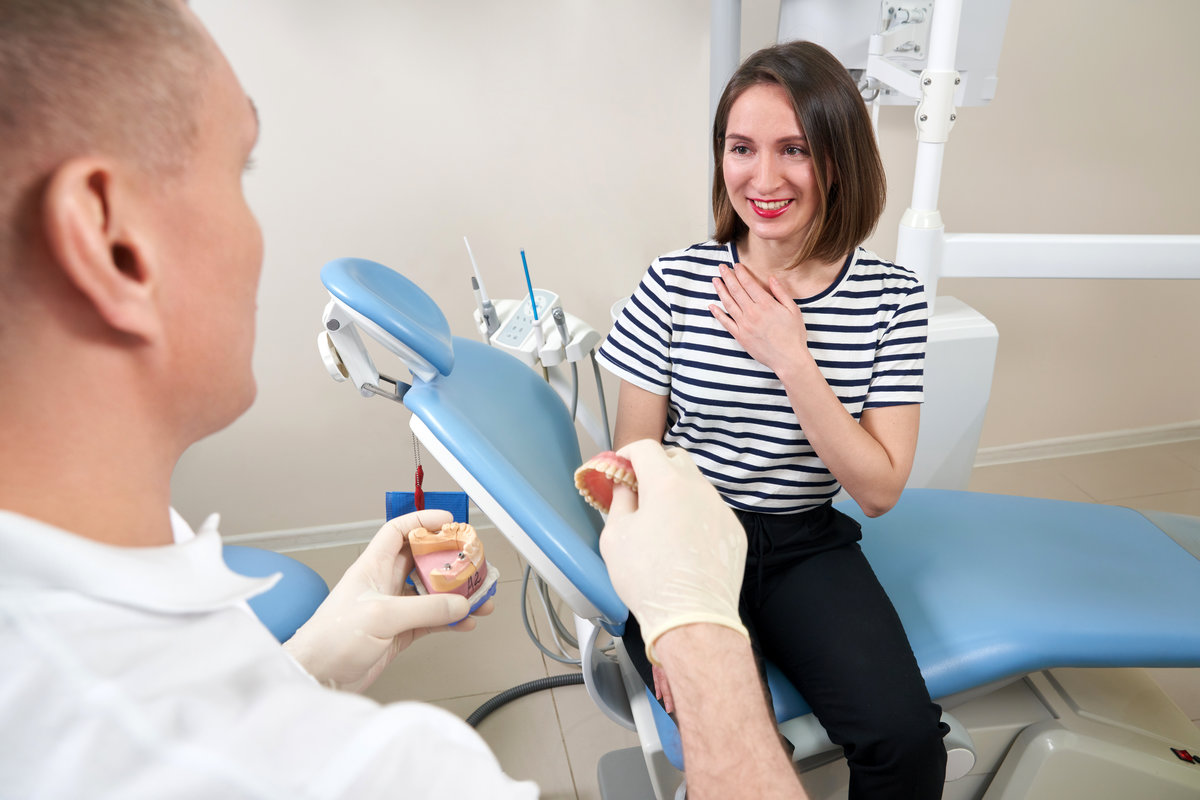
A dental bridge is a fixed prosthetic device that replaces one or more missing teeth by anchoring a false tooth, called a pontic, between two crowns placed on the teeth on either side of the gap. Those supporting teeth are called abutment teeth. The result is a restoration that looks, feels, and functions like a natural tooth and is permanently cemented in place rather than removed for cleaning.
At Smile Craft Dental, our restorative dentistry team recommends dental bridges for patients who are missing one or more adjacent teeth and want a fixed, non-removable solution. Bridges prevent the surrounding teeth from drifting into the empty space, maintain your bite alignment, and restore your ability to chew and speak comfortably.
“A dental bridge is a partial set of replacement teeth, usually made from porcelain that looks and feels like natural teeth.”
Who Is a Candidate for a Dental Bridge?
Dental bridges are appropriate when a patient has one or more missing teeth side by side and has healthy teeth on either side of the gap to serve as anchors. If the abutment teeth are already compromised, an implant-supported bridge may be a better option since it does not rely on adjacent natural teeth for support.
Other factors we evaluate during your consultation include the health of your gums, bone density at the site of the missing tooth, and your overall oral hygiene. Patients with active gum disease or significant bone loss will need to address those issues before a bridge is placed.
“In general, dental bridges are appropriate for cases of one or a few missing teeth.”
Types of Dental Bridges
There are four main types of bridges. The right choice depends on how many teeth are missing, the location in your mouth, and the condition of your adjacent teeth.
Traditional Dental Bridge
The most common type. A traditional bridge uses crowns on both abutment teeth to hold the pontic in place. Both supporting teeth must be reshaped slightly to accommodate the crowns. This provides a very strong, durable restoration and is appropriate for most situations where healthy teeth exist on both sides of the gap.
Cantilever Bridge
Used when only one healthy tooth exists adjacent to the gap. The bridge is anchored to a single abutment tooth on one side. Cantilever bridges work well for lower-stress areas of the mouth but are not recommended for back teeth that bear heavy chewing forces.
Maryland Bridge
A conservative option that uses metal or porcelain wings bonded to the backs of adjacent teeth rather than crowns. No tooth reshaping is required, making it minimally invasive. Maryland bridges are most often used for front teeth, where chewing forces are lighter. They are less durable under heavy biting than traditional bridges.
Implant-Supported Bridge
When several adjacent teeth are missing or when the abutment teeth are too weak to support a traditional bridge, dental implants can serve as the anchors instead of natural teeth. An implant-supported bridge does not require reshaping of any remaining natural teeth and offers exceptional stability. It also helps preserve jawbone density at the site of the missing teeth.
“There are four major types of dental bridges.”
Check out what others are saying about our dental services on Yelp: Dental Bridges in Redwood City, CA
Dental Bridges Versus Dentures
One alternative to a dental bridge is a set of partial dentures. These can replace one or a few teeth similarly. However, unlike dental bridges, the dentures are not permanently placed but are removed for cleaning and sleeping.
Eating and speaking can feel more comfortable with dental bridges than with dentures, as dental bridges are more firmly rooted in place. Furthermore, you must remove dentures to clean them, whereas you can brush dental bridges like natural teeth. However, according to the American Dental Association, cleaning dental bridges may require extra care to ensure the health of the gum beneath the replacement teeth.
How Dental Bridges and Crowns Work Together
A traditional bridge is essentially two dental crowns joined by a pontic in the middle. The process for placing a bridge mirrors a crown procedure: we prepare the abutment teeth, take impressions, place temporary restorations, and then seat the permanent bridge once it returns from the lab or is fabricated same-day via CEREC. At your first visit, the abutment teeth are numbed and shaped to accept the crowns. At your second appointment, the completed bridge is permanently cemented in place after we verify fit, color, and bite.
Dental Bridge vs. Dentures vs. Implants
Patients with missing teeth often ask how bridges compare to the other main options. Here is a practical breakdown:
- Bridges vs. partial dentures: Bridges are permanently fixed and do not need to be removed for cleaning. Most patients find bridges more comfortable for eating and speaking because they do not shift in the mouth. Partial dentures tend to cost less upfront but may require replacement more often.
- Bridges vs. dental implants: Implants are the gold standard for replacing single missing teeth because they preserve bone and do not require altering adjacent teeth. However, implants involve surgery and a longer treatment timeline. Bridges are often a faster, more accessible option, particularly when multiple adjacent teeth are missing or when a patient is not a surgical candidate.
We will walk through both options during your consultation so you can make the right decision for your situation.
The Dental Bridge Procedure
In most cases, a dental bridge requires two appointments approximately two weeks apart.
- Appointment 1: We examine and X-ray the area, numb the abutment teeth, reshape them to receive crowns, and take impressions. Temporary crowns are placed to protect the teeth while your bridge is fabricated.
- Appointment 2: We remove the temporaries, clean the abutment teeth, and seat the permanent bridge. We check fit, bite alignment, and aesthetics before cementing it permanently.
“The dentist must reshape the two abutment teeth to secure the dental bridge.”
“Dental bridges are more firmly rooted in place than dentures, which can make eating and speaking easier.”
Questions Answered on This Page
Q. Am I a good candidate for a dental bridge?
Q. What are the different types of dental bridges?
Q. What are the differences between dental bridges and dentures?
Q. What are the benefits of dental bridges?
People Also Ask
Q. How can a dentist replace missing teeth?
Q. What is involved in getting a fixed bridge?
Q. What is it like to go through the process of receiving a dental crown?
Q. What is restorative dentistry?
Caring for Your Dental Bridge
Bridges require the same daily care as natural teeth: brushing twice a day and flossing once daily. The most important area to clean is underneath the pontic, where plaque can accumulate between the fake tooth and your gumline. A floss threader or water flosser makes this significantly easier. Regular checkups allow us to monitor the bridge and the abutment teeth for any signs of decay or gum recession.
With proper care, a well-made dental bridge typically lasts 10 to 15 years or more.
“Dental bridges can be an effective treatment for missing teeth.”
Frequently Asked Questions About Dental Bridges
Our patients typically have the following questions about dental bridges:
How Long Will My Dental Bridge Last?
A properly maintained bridge lasts 10 to 15 years on average. Some modern bridges last even longer. The longevity depends on the materials used, your oral hygiene routine, and whether you wear a night guard if you grind your teeth.
Does Getting a Dental Bridge Hurt?
The abutment teeth are fully numbed during preparation. You may experience mild sensitivity for a few days after placement, which is normal. If your bite feels off or you have persistent discomfort, contact us promptly for an adjustment.
Can I Eat Normally With a Dental Bridge?
Yes. After a short adjustment period, most patients eat the same foods they enjoyed before. We recommend avoiding extremely hard or sticky foods that could stress the bridge, particularly in the first few weeks after placement.
How Many Appointments Will I Need?
Most bridge cases require two appointments. Your first visit handles preparation and impressions. Your second visit, typically two weeks later, is when the permanent bridge is seated. Complex cases may require an additional fitting or adjustment visit.
Replace Missing Teeth at Smile Craft Dental in Redwood City
At Smile Craft Dental, we understand that a missing tooth affects far more than your appearance. It changes how you eat, how you speak, and how you feel about your smile. Our team, led by Dr. Janice Chou, brings together careful treatment planning and the latest restorative technology to give every patient a result that looks natural and lasts.
We accept most major PPO plans and welcome patients from Redwood City and surrounding communities, including San Carlos, Menlo Park, and Belmont. Contact us today to schedule your dental bridge consultation.
Dental Terminology
Dental CariesDental caries are also known as cavities and result from a lack of proper oral hygiene leaving plaque that forms tiny holes in the teeth.
Dental FillingA dental filling involves restoring the structure of the tooth by using metal, alloy, porcelain or plastic to fill the tooth.
Dental SealantsDental sealants contain a resinous material that we apply to the chewing surfaces of the posterior teeth to prevent dental caries.
GingivitisGingivitis is the inflammation of gum tissue that results from plaque, other infections in the mouth and poor oral hygiene.
Helpful Related Links
- American Dental Association (ADA). Glossary of Dental Clinical Terms. 2023
- American Academy of Cosmetic Dentistry® (AACD). Home Page.
2023 - WebMD. WebMD’s Oral Care Guide. 2023
About our business, license, and website security
- Smile Craft Dental was established in 2019.
- We accept the following payment methods: American Express, Cash, Check, Discover, MasterCard, and Visa
- We serve patients from the following counties: San Mateo County and Santa Clara County
- We serve patients from the following cities: Redwood City, San Carlos, Atherton, Redwood Shores, Menlo Park, Woodside, Palo Alto, East Palo Alto, Belmont, and San Mateo
- Norton Safe Web. View Details
- Trend Micro Site Safety Center. View Details
Back to top of Dental Bridges