
Smile Craft Dental offers complete, partial, and implant-supported dentures in Redwood City, with careful fitting, adjustments, and relines to keep your smile comfortable for years to come.
Request an Appointment
"*" indicates required fields
Same-week appointments available
Dentures are removable prosthetic devices designed to replace missing teeth and restore the natural appearance of your smile. Complete dentures replace all teeth in either the upper or lower arch, while partial dentures fill specific gaps when you still have healthy natural teeth remaining. Patients who have lost most or all teeth in an arch typically benefit from complete dentures. Those with several missing teeth but healthy remaining ones often choose partial dentures. For patients seeking maximum stability, implant-supported dentures combine the benefits of dentures with the security of dental implants.
When a single tooth is missing, the surrounding teeth gradually shift to fill the space, affecting your bite and making it harder to chew comfortably. A removable partial denture is a practical, cost-effective option to restore that gap without the invasiveness of an implant. The finished appliance consists of a pink resin base with one or more prosthetic teeth, custom-fitted to your mouth using impressions taken here at Smile Craft Dental.
Not sure which type of denture is right for you? We'll help you decide at your consultation.
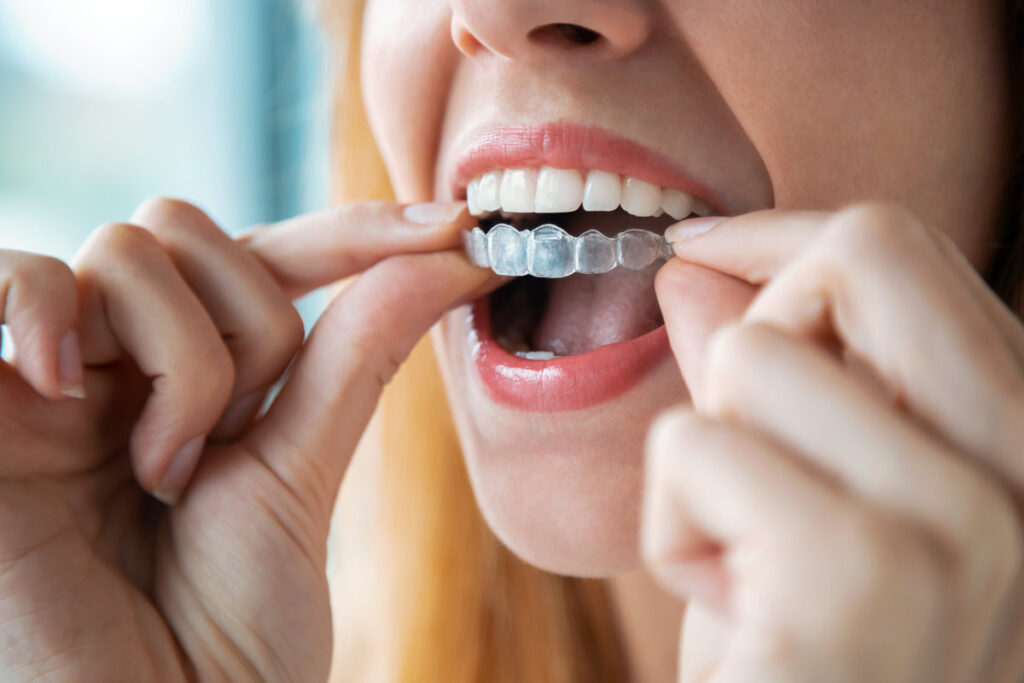
Dentures may be right for you, or your current denture may need attention, if any of these apply:
Complete dentures replace every tooth in the upper or lower arch, restoring your ability to eat and speak comfortably.
Partial dentures fill the gaps while your remaining natural teeth stay in place.
Implant-supported dentures combine the benefits of dentures with the security of dental implants.
Cracked bases, loose metal clasps, or cracked and missing prosthetic teeth call for prompt evaluation.
Discomfort or pressure sores while talking, smiling, or eating are signs your denture needs an adjustment or reline.
Stains, chips, persistent bad breath, or a change in how your bite feels are reasons to schedule an evaluation.
Not sure which option fits your situation? We'll examine your mouth, and your current denture if you have one, at your consultation.
During your initial consultation, we thoroughly examine your mouth, take detailed impressions, and discuss your goals. If any teeth require extraction before denture placement, we coordinate this timing strategically. Once healed, we take precise measurements and work with dental technicians to create dentures matching your natural tooth color, shape, and size. Most patients need several weeks to fully adapt to wearing dentures.
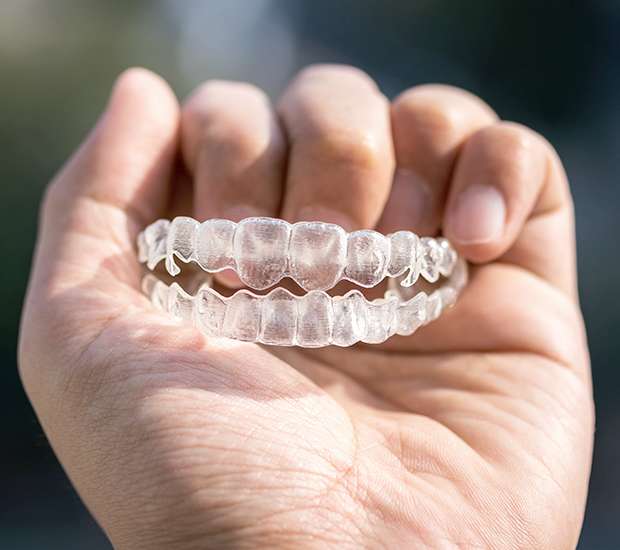
Dentures that don't fit well can rub the gums and cause soreness. Here's how we make sure yours fit right.
At your first fitting appointment, we check the fit using wax ridges before your dentures are finalized.
We check the fit again before you leave with your temporary or permanent dentures.
A follow-up visit shortly after insertion, typically 24 to 72 hours later, lets us catch and correct any rubbing or soreness early.
A second follow-up about a week later fine-tunes the fit as your mouth adjusts.
We continue to adjust your dentures as needed in the weeks that follow to keep them comfortable.

Due to changes in bone structure following extractions, patients need their dentures adjusted within weeks of getting immediate dentures, then again several months later. Permanent dentures last approximately 5-10 years with proper care.
Denture Relining: as the jaw and gums shrink, Smile Craft Dental can reline dentures by adding material to the existing base to restore a snug fit. There are three types of reline: Hard Relining uses the same acrylic material as the original base and lasts around two years. Soft Relining uses a silicone-based lining that is more comfortable and can last slightly longer, especially for patients whose gums are still changing. Temporary Relining is a medicated soft reline used for swollen or irritated gums; once the irritation resolves, a permanent soft or hard reline follows.
Denture Rebasing: when relining isn’t enough, we can rebase the dentures, a lower-cost alternative to a full new set that preserves the existing prosthetic teeth while replacing the worn base material.
New denture wearers should expect some diet changes and mild discomfort at first, since dentures are less efficient at chewing than natural teeth and can cover the palate, which affects taste. It’s not unusual for dentures to be relined or remade 6-8 weeks after extraction as your mouth continues to adjust. For more guidance, see our page on adjusting to new dentures.
Eat soft foods and take small bites at first. Chew slowly using both sides of your mouth, and avoid hard, hot, tough, or sticky foods until you’ve adapted.
Most patients need several weeks to fully adapt to wearing dentures. Seek treatment promptly for gum or mouth irritation, a loose denture, or signs of infection, since left untreated, ill-fitting dentures can lead to infections like cheilitis and stomatitis. Dentures themselves do not cause oral cancer, but ill-fitting dentures or poor oral care while wearing them are a risk factor. Properly fitting, well-cleaned dentures reduce this risk, which is one more reason to keep up with adjustments and daily cleaning.
When traveling, pack a covered denture case and travel-size cleaning products, and keep to your normal routine: remove and rinse after meals, brush daily, and soak overnight.
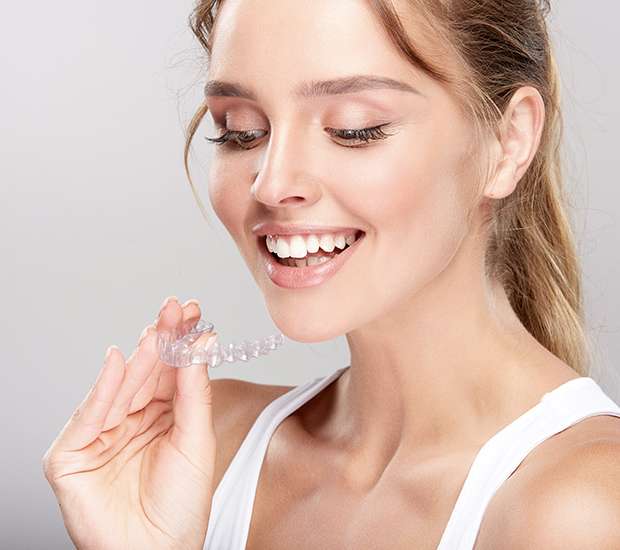
Though dentures last many years, damage is inevitable with regular wear. Misalignment from a changed bite can stress the device, and metal clasps can come loose or break. The ADA recommends dentures be evaluated when prosthetic teeth are cracked, broken, or missing. If your dentures are damaged: do not continue wearing them, gather all wires and parts to bring to our office, use dental wax as a temporary barrier if wires are rubbing your gums, and keep the dentures moist in their case. Do not use over-the-counter glues, since not all are approved for human use, and some are water-soluble and won't hold. Most dentists advise against home repairs; the American College of Prosthodontists does not recommend home repair kits, though an FDA-approved kit can serve as a short-term fix while you wait for an appointment.
Signs you need an appointment, and what to expect when you come in.
The adjustment or repair process may take one appointment or several. We modify the denture to closely conform to the grooves and contours of your mouth; for more substantial issues, we may need to keep the denture for a few days. Common repairs include fixing cracks in the base and replacing or repairing teeth.
Signs an appointment is needed: visible damage to the teeth, cracks or chips in the base, a loose or poorly fitting denture, or discomfort and pressure sores while talking, smiling, or eating. Denture stains can also be professionally polished in the office in just a few minutes.
Benefits of timely adjustments: avoiding more expensive repairs later, restoring comfort, and maintaining better oral health, since loose dentures can cause mouth sores and make hygiene harder.
Denture care that fits your life, from a dentist who explains every option clearly.
Dr. Amy Nguyen, DDS
Lead Dentist · Smile Craft Dental Redwood City
Dr. Amy leads Smile Craft Dental with a commitment to technology, continuing education, and patient-centered care. She takes time to understand your goals and helps you choose the denture option that fits your lifestyle and budget. Our office includes Spanish-speaking staff, and we accept most major dental insurance plans along with flexible payment options, including Cherry financing.
Remove and rinse your dentures after eating. Brush daily with a soft-bristled brush and a denture cleaner, never regular toothpaste, and look for the ADA seal when choosing a cleaning product, since it means the product has been proven safe through clinical studies. Avoid bleach-containing products, which can tarnish metal attachments. Soak your dentures overnight in denture solution or plain water, never hot water. Continue brushing your gums, tongue, and any remaining natural teeth twice daily. Implant-supported dentures require similar daily cleaning, with special attention to the abutments.
Schedule a professional evaluation if you notice looseness, sore spots, visible chips or cracks, persistent bad breath, or a change in your bite fit. Regular checkups allow us to make adjustments before minor issues become major ones.
4.9 stars across 641 Google reviews. Here is what patients describe about their experience at Smile Craft.
The questions patients ask most about getting, adjusting, and caring for dentures, answered plainly.
Visible damage, cracks or chips in the base, a loose or poorly fitting denture, or discomfort and pressure sores while talking, smiling, or eating are all signs it's time for an appointment.
Permanent dentures typically last 5-10 years with proper care, though they'll need relining or rebasing periodically as your jaw and gums change shape over time.
Remove and rinse them after eating, brush daily with a soft-bristled brush and denture cleaner (never regular toothpaste), and soak overnight in denture solution or plain water, never hot water.
We check the fit using wax ridges at your first appointment, check it again before you go home with your dentures, and see you for follow-ups at 24-72 hours and again about a week later to fine-tune comfort.
Most patients need several weeks to fully adapt to wearing dentures. Expect some diet changes at first, starting with soft foods and small bites, and mild discomfort is normal while your mouth adjusts.
Smile Craft Dental is a family dental practice with two Bay Area locations, Redwood City and Sunnyvale, serving patients of all ages. Dr. Amy Nguyen leads a team committed to continued education, advanced technology, and clear communication at every step of care. We accept most major dental insurance plans and offer Cherry financing to help make treatment accessible. If you are ready to explore your denture options in Redwood City, we make it easy to get started. Contact us to request a consultation and take the first step toward a comfortable, confident smile.
2531 El Camino Real · Redwood City, CA 94061
Serving San Carlos, Belmont, and the Peninsula
We use cookies to improve your experience on our site. By using our site, you consent to cookies.
Manage your cookie preferences below:
Essential cookies enable basic functions and are necessary for the proper function of the website.
CloudFlare provides web performance and security solutions, enhancing site speed and protecting against threats.
Service URL: developers.cloudflare.com (opens in a new window)
These cookies are needed for adding comments on this website.
Google reCAPTCHA helps protect websites from spam and abuse by verifying user interactions through challenges.
Google Tag Manager simplifies the management of marketing tags on your website without code changes.
Statistics cookies collect information anonymously. This information helps us understand how visitors use our website.
Google Analytics is a powerful tool that tracks and analyzes website traffic for informed marketing decisions.
Service URL: policies.google.com (opens in a new window)
Marketing cookies are used to follow visitors to websites. The intention is to show ads that are relevant and engaging to the individual user.
Google Maps is a web mapping service providing satellite imagery, real-time navigation, and location-based information.
Service URL: policies.google.com (opens in a new window)