Common Dental Conditions During Pregnancy
It is vital for pregnant women to pay heightened attention to all aspects of their health, including dental health. For some women, pregnancy increases the production of plaque. This sudden increase may lead to gum disease and heighten the risk of tooth decay, among other dental problems. Such issues typically occur due to hormone changes, though other causes may include cravings for sugary foods, gum problems, retching while brushing teeth, and vomiting.
Pregnant women frequently experience cavities, gingivitis, loose teeth, periodontal disease, pregnancy tumors, and tooth erosion. Gingivitis is particularly common. The CDC reports that about 60% to 75% of pregnant women have gingivitis. Symptoms involve bleeding gums, redness and swelling, shiny gums, and tenderness in the gums. If left untreated, it can progress into a more severe form of gum disease known as periodontitis.
“For some women, pregnancy increases the production of plaque.”
Why Dental Care Matters More During Pregnancy
Expectant mothers should keep a close eye on their dental health, as pregnancy increases the risk of complications with the gums or teeth. Research has linked periodontitis during pregnancy with a higher risk of preterm birth and low birth weight, although scientists are still studying whether treating gum disease changes those outcomes. Periodontitis is also associated with other systemic health problems, so it is worth treating early for the mother’s own health.
Conversely, pregnant women with preexisting conditions may be more susceptible to dental issues. Diabetes, including gestational diabetes, is one example, since high blood sugar makes gum infections harder to control. Tell your dentist about your due date, any pregnancy complications, and every medication or supplement you take, so your care can be planned around your whole health picture.
“Expectant mothers should keep a close eye on their dental health, as pregnancy increases the risk of complications with the gums or teeth.”
Taking Care of Dental Health During Pregnancy
Expectant mothers are prone to neglecting their dental health due to high levels of fatigue and frequent snacking. Additionally, morning sickness may wear away at the tooth enamel, while hormonal changes may lead to pregnancy gingivitis. Unfortunately, however, a pregnant woman’s oral health can directly affect her unborn baby’s health.
Some researchers believe that oral bacteria and inflammation from gum disease may enter the bloodstream and play a role in pregnancy complications, although that connection is still being studied. Furthermore, once the baby arrives, the mother may potentially pass on the bacteria to the newborn through vertical transmission. As such, it is critical that pregnant women brush at least twice a day with a fluoridated toothpaste, floss nightly, and eat a well-balanced diet. Keeping regular appointments with the dentist is also crucial.
“…once the baby arrives, the mother may potentially pass on the bacteria to the newborn through vertical transmission.”
Check out what others are saying about our dental services on Yelp: Dental Health During Pregnancy in Redwood City, CA
How Oral Health Connects to Overall Health
According to the Mayo Clinic, the mouth acts as an entryway to the digestive and respiratory tracts. This makes it a natural breeding ground for bacteria. Though most of such bacteria are harmless, they may quickly multiply to dangerously high levels if the patient does not practice proper oral hygiene. It should come as no surprise that oral health goes hand in hand with various systemic health conditions, particularly heart health.
Research has found an association between gum disease and heart disease, but it has not shown that gum disease causes heart problems. Keeping your gums healthy during pregnancy is still worthwhile for comfort, for your own long-term oral health, and for the habits your family will share after the baby arrives. Our team can perform a comprehensive review of a patient’s medical history, current condition, and any other pertinent information to get them to a healthy mouth baseline.
“It should come as no surprise that oral health is linked to various other systemic health conditions, particularly heart health.”
What the ADA and ACOG Say About Dental Care While Pregnant
Many expectant mothers put off the dentist because they are unsure whether treatment is safe. Current guidance is reassuring. The American Dental Association states that preventive, diagnostic, and restorative dental care is safe at any point during pregnancy. It also considers dental X-rays safe at any stage of pregnancy, and it no longer recommends routine abdominal or thyroid shielding. Local anesthetics such as lidocaine may be used to keep you comfortable.
The American College of Obstetricians and Gynecologists reached a similar conclusion in its committee opinion on oral health care during pregnancy, which encourages obstetricians to reassure patients that dental care, including X-rays and local anesthesia, is safe and should not be delayed. The CDC adds that regular and emergency dental care is safe at any stage of pregnancy. Putting off a needed filling, root canal, or extraction can allow an infection to grow, which is a bigger concern than the treatment itself.
Planning Your Dental Visits Before and During Pregnancy
A little planning makes dental care easier while you are expecting. These steps can help you and your dental team stay ahead of problems:
- Before you conceive, if you can: schedule a checkup and dental cleaning so any cavities or gum problems can be treated in advance.
- As soon as you know you are pregnant: let our team know your due date, your obstetrician’s name, and any medications, so we can coordinate care if needed.
- During pregnancy: keep your routine cleanings, and contact us promptly about swelling, bleeding gums that do not improve, or tooth pain, since these should not wait until after delivery.
Many patients find the second trimester the most comfortable time for longer elective visits, because nausea often eases and lying back in the chair is easier than late in the third trimester. That is a matter of comfort, not safety, and urgent problems can be treated at any stage. After the baby arrives, our family dentistry team can see your child for a first visit, which the American Academy of Pediatric Dentistry recommends by the first birthday. If you also manage a long-term health condition, our article on dental health and preexisting conditions explains how those conditions can affect dental care.
Questions Answered on This Page
Q. What are some of the common dental conditions that occur during pregnancy?
Q. Why should I see a total health dentist during pregnancy?
Q. How should I take care of my dental health during pregnancy?
People Also Ask
Q. How does oral health affect the gut and immune system?
Q. How can a cracked or broken tooth affect other body systems?
Q. How do lifestyle choices affect dental health?
Q. What should patients do if they have sensitive teeth?
Q. How can someone find out what procedures their dental insurance covers?
FAQs
Q. How can I keep my dental visits safe during pregnancy?
A. Tell us as soon as you know you are pregnant. We will review your medications, choose anesthetics and any prescriptions that are appropriate during pregnancy, and plan your visits around your comfort. X-rays that are needed to diagnose a problem are considered safe at any stage of pregnancy, so we take them when they are needed for your care.
Q. What are some nutritious snacks I can eat during my pregnancy?
A. Try to limit your sugar intake as much as possible. Raw fruits, vegetables, yogurt, cheese, and low-fat milk are all preferable to carbonated drinks. Drink water whenever possible. After morning sickness or vomiting, rinse with a teaspoon of baking soda mixed in a cup of water to neutralize stomach acid, and avoid brushing right away, since acid softens the enamel.
Q. I am thinking about getting pregnant. Should I tell my dentist?
A. Yes. Preventative care can help you maintain your oral health during your pregnancy. Ideally, you will have your gum tissue carefully examined, teeth professionally cleaned, and any other oral health issues are taken care of well in advance.
Q. What is pregnancy gingivitis?
A. Pregnancy gingivitis is a mild inflammation of the gums that causes swelling and tenderness. It may also cause gums to bleed when brushing or flossing. This condition typically results from hormonal changes brought about by pregnancy. It should be treated promptly so it does not progress into periodontitis.
Q. How common are dental cavities in pregnant women?
A. About one in four women of childbearing age have untreated cavities. Unfortunately, children of mothers with untreated cavities or tooth loss are over three times more likely to have cavities themselves. Thus, it is imperative to keep regular dental checkups throughout your pregnancy.
Q. Is it safe to get dental work done while pregnant?
A. Yes. The American Dental Association and the American College of Obstetricians and Gynecologists both consider routine and needed dental care safe during pregnancy, including cleanings, fillings, dental X-rays, and local anesthesia. Needed treatment should not be postponed, because an untreated infection can become a larger problem.
Q. What is the best time during pregnancy to schedule dental treatment?
A. Dental care is safe at any stage of pregnancy. Many patients find the second trimester the most comfortable time for longer elective visits, but urgent problems such as pain, swelling, or infection should be treated whenever they come up.
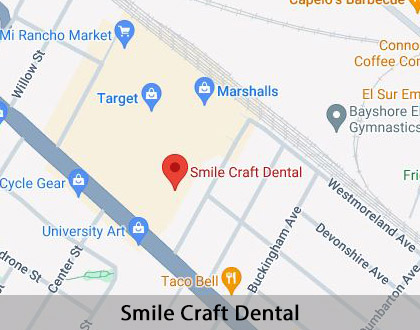

Scan here to view this page, Dental Health During Pregnancy, on mobile

Dental Terminology
- Periodontal Disease
- Periodontal disease is a condition that causes inflammation of the gingival tissues and membrane of the teeth, leading to tooth loss without professional treatment.
- Pregnancy Tumors
- Non-cancerous hemorrhagic swellings that occur mostly in the gum tissue of pregnant women.
Call Us Today
Proper dental care is essential for both expectant mothers and unborn babies during pregnancy. We at Smile Craft Dental may be able to help. Contact our team to schedule an appointment or to learn more about our services.
Helpful Related Links
- American Dental Association (ADA). Glossary of Dental Clinical Terms. 2023
About our business, license, and website security
- Smile Craft Dental was established in 2019.
- We accept the following payment methods: American Express, Cash, Check, Discover, MasterCard, and Visa
- We serve patients from the following counties: San Mateo County and Santa Clara County
- We serve patients from the following cities: Redwood City, San Carlos, Atherton, Redwood Shores, Menlo Park, Woodside, Palo Alto, East Palo Alto, Belmont, and San Mateo
- Norton Safe Web. View Details
- Trend Micro Site Safety Center. View Details

Scan here to open directions to Smile Craft Dental on mobile
Back to top of Dental Health During Pregnancy
QR code for Dental Health During Pregnancy