Ready for a Healthier, Brighter Smile?(650) 880-1550Book Appointment
Medically reviewed by Dr. Amy Nguyen, DDS

Recent Posts

Happy elderly woman enjoying her beautiful toothy smile looking to the mirror in the dental office

Dental implants represent one of the most significant investments you can make in your oral health, offering a permanent solution that can restore both function and aesthetics to your smile. However, like any major investment, implants require proper care and maintenance to ensure they deliver the decades of reliable service they’re designed to provide.

At Smile Craft Dental, we understand that choosing dental implant surgery is a decision that goes beyond the initial procedure. Our team is committed to helping patients protect their investment through comprehensive maintenance strategies and personalized care plans that ensure long-term success.

Understanding Your Dental Implants

Dental implants consist of three main components: the titanium post that integrates with your jawbone, the abutment that connects to the post, and the crown that serves as your visible tooth. This sophisticated design mimics the structure of natural teeth, which is why implants can last a lifetime with proper care. The titanium post fuses with your bone through a process called osseointegration, creating a stable foundation that’s as strong as a natural tooth root.

Understanding this structure helps you appreciate why certain maintenance practices are essential for long-term success. The junction between the implant and gum tissue requires particular attention, as this area is vulnerable to bacterial accumulation that could compromise the implant’s stability over time.

Daily Care Routines That Protect Your Investment

The foundation of implant longevity begins with your daily oral hygiene routine. Brushing twice daily with a soft-bristled toothbrush protects the crown and surrounding gum tissue from plaque accumulation. We recommend using a low-abrasive toothpaste to avoid scratching the crown’s surface, which could harbor bacteria. Flossing around implants requires special attention, as the junction between the implant and gum tissue can trap food particles and bacteria.

Beyond standard brushing and flossing, implant maintenance benefits from specialized cleaning approaches. Antimicrobial mouth rinses can reduce bacterial load around implant sites, though they should complement rather than replace mechanical cleaning. Many patients find that interdental brushes or water flossers work particularly well for cleaning around implant restoration work.

Professional Maintenance and Regular Monitoring

While home care forms the cornerstone of implant maintenance, professional monitoring plays an equally critical role in long-term success. Regular dental visits allow us to detect potential issues before they compromise your implant. During these appointments, we perform specialized cleanings using instruments designed specifically for implant surfaces, removing calculus buildup that could trigger inflammation.

We use plastic or carbon fiber instruments rather than metal scalers, which prevents scratching the titanium surface or damaging the crown. These specialized cleanings typically occur every three to six months, depending on your individual risk factors and oral hygiene effectiveness. We also take periodic radiographs to monitor bone levels around the implant, ensuring that osseointegration remains stable and that no bone loss is occurring beneath the gum line.

Lifestyle Factors That Impact Implant Longevity

Certain lifestyle choices significantly influence how long your implants remain healthy and functional. Smoking represents one of the most serious risk factors for implant failure, as tobacco use impairs blood flow to the gums and compromises the body’s ability to fight infection around implant sites. Similarly, uncontrolled diabetes can affect osseointegration and increase susceptibility to peri-implantitis, an inflammatory condition that threatens implant stability.

Dietary habits also play a role in implant maintenance. While implants can withstand normal chewing forces, habitually chewing ice or hard candies can damage crowns or place excessive stress on the implant-bone interface. Additionally, limiting sugary and acidic foods helps maintain healthy gum tissue around implants, just as it does for natural teeth.

Recognizing Warning Signs and Seeking Prompt Care

Understanding the warning signs of potential implant problems enables you to seek care before minor issues escalate into serious complications. Bleeding or swelling around an implant, increased sensitivity, or looseness in the crown all warrant immediate professional evaluation. Some patients experience a condition called peri-implantitis, where inflammation develops in the tissues surrounding the implant, similar to gum disease around natural teeth.

Changes in your bite or the way your implant crown feels when you chew may indicate that the restoration needs adjustment. Even subtle shifts deserve attention, as they could signal changes in the underlying bone or problems with the implant components. We encourage our patients to contact us whenever they notice anything unusual, as prompt intervention typically leads to simpler, more successful solutions.

Partner With Smile Craft Dental for Lifelong Implant Success

At Smile Craft Dental, we view implant placement as the beginning of a long-term partnership with our patients. Dr. Janice Chou and our experienced team provide comprehensive follow-up care that includes detailed maintenance education, regular monitoring, and prompt intervention when needed. Our commitment to using advanced dental technology ensures that we can detect potential issues at their earliest stages, giving you the best chance for lifelong implant success.

Ready to learn more about protecting your dental implant investment? Contact us today to schedule a consultation with our team. We serve patients throughout Redwood City and Sunnyvale with personalized care plans designed to keep your smile healthy and beautiful for life.

People, women and doctor with clipboard for document or insurance compliance and consultation in clinic. Female patient, healthcare and dentist with paperwork results for oral exam and conversation.

The cost of dental care can feel overwhelming, especially when you need extensive treatment or cosmetic. The cost of dental care can feel overwhelming, especially when you need extensive treatment or cosmetic procedures that aren’t fully covered by insurance. Many people delay or skip necessary dental work simply because they’re unsure how to manage the expense, which can lead to more serious oral health problems down the road.

At Smile Craft Dental, we believe financial concerns should never stand between you and a healthy, beautiful smile. We offer flexible payment options and dental financing solutions designed to make quality care accessible to every patient in our Redwood City and Sunnyvale communities. Dr. Janice Chou and our team work with you to create a financial plan that fits your budget while ensuring you receive the comprehensive treatment you deserve.

Understanding Dental Insurance Coverage

Most dental insurance plans cover preventive care like cleanings and exams at 100%, but coverage decreases significantly for restorative and cosmetic procedures. Understanding your specific benefits is the first step in planning for treatment costs. Our knowledgeable team reviews your insurance coverage during your initial visit and provides a clear breakdown of what your plan will cover and what your out-of-pocket expenses will be.

We accept most major insurance plans, making it easier for you to maximize your benefits and minimize your costs. Whether you’re coming in for routine dental care or planning more extensive treatment, we handle the insurance paperwork and claims process on your behalf so you can focus on your oral health instead of administrative details.

In-House Membership Plans for Uninsured Patients

If you don’t have dental insurance, our Smile Craft Membership Plan offers an affordable alternative that provides consistent care without the complexity of traditional insurance. This program includes preventive services like exams, cleanings, and X-rays at a discounted annual rate, plus reduced fees on additional treatments you may need throughout the year.

It’s an excellent option for individuals, families, and anyone who wants predictable dental costs without annual maximums or waiting periods. The membership plan removes barriers to care and ensures you can maintain your oral health with regular visits to our practice.

Flexible Payment Plans

We understand that even with insurance, some treatments require significant investment. That’s why we offer flexible payment plans that allow you to spread the cost of your dental care over time. Whether you need dental implants, Invisalign treatment, or a smile makeover, we can create a payment schedule that works within your monthly budget.

These arrangements make it possible to proceed with important treatments immediately rather than postponing care until you’ve saved the full amount. We believe everyone deserves access to quality dental care, and our payment plans reflect our commitment to making treatment affordable for all of our patients.

Third-Party Financing Options

For larger treatment plans, third-party financing companies provide another convenient option. These specialized healthcare lenders offer a range of payment plans, including options with low or zero interest for qualified applicants. The application process is straightforward, and approval decisions are typically made quickly, allowing you to move forward with your treatment without delay.

Our team can walk you through the different financing options available and help you choose the plan that best suits your financial situation. We want you to feel confident about both your treatment decisions and your ability to manage the associated costs comfortably.

Using Your HSA or FSA for Dental Care

Health Savings Accounts (HSAs) and Flexible Spending Accounts (FSAs) are tax-advantaged accounts that can be used for qualified dental expenses. If you have access to one of these accounts through your employer, you can pay for dental care with pre-tax dollars, effectively reducing the cost of your treatment. We gladly accept HSA and FSA cards as payment, and our team can provide the documentation you need for reimbursement if your account requires it.

HSA as an Investment Tool for Retirement

As Healthcare.gov explains, an HSA is a tax-free account people use to help cover some medical costs. To contribute to an HSA, patients must have a high-deductible insurance plan. There is a yearly limit to the amount of money contributed to an HSA plan.

Unlike flexible spending accounts, the funds in an HSA roll over each year. This allows the balance to continue to grow. Once individuals reach retirement age, they can use their HSA funds for anything, not just medical expenses. An HSA is a great investment tool for retirement since other types of retirement accounts incur taxes.

HSA Tax Benefits

One of the greatest benefits of opening an HSA is its lower tax liability. Lowering tax liability with an HSA allows people to keep more of their paycheck each year and give less to the IRS. Benefits to opening and contributing to an HSA include:

  • Contributions: The money contributed to an HSA is not taxed. Some people set their accounts up so that contributions are automatically taken out of their pay each month. The HSA withdraws the contribution before taxes, so it does not count as income and lowers the yearly tax liability.
  • Earnings: An HSA account can earn interest. Earnings on an HSA account are also tax-free. The larger an HSA balance is, the more tax-free earnings it can get.
  • Withdrawals: When it is time to use a portion of the HSA account, withdrawals are also not taxed. People can use their withdrawals for any type of qualifying medical expense. There is no need to time medical expenses by the calendar since an HSA does not need to be spent by the end of the year.

Investing and Spending Strategies

The key to taking advantage of the HSA rules is to spend and invest wisely. Since there are many benefits to keeping an HSA for retirement expenses, it is important for people not to spend all their contributions. Instead, opt to spend a little on routine out-of-pocket medical or dental expenses and keep the balance growing with contributions.

Many dental expenses qualify for HSA spending. For items that are not covered by insurance, the HSA can help bridge the gap. To grow an HSA balance, it is a good idea to invest a portion of it in mutual funds, bonds, or stocks.

Transferring an HSA When Changing Jobs

When changing jobs, there is a procedure for transferring the HSA to the next employer. The rules of transferring an HSA are dependent on the employer-sponsored health insurance plan. If the new workplace does not offer a high-deductible health plan, the employee may not be eligible for making contributions to the HSA anymore.

It may be necessary to roll over the funds from one HSA account to another when transferring to another employer-sponsored HSA. Another option is to keep the old account open and start a second HSA with the new employer. While the old HSA will not be available for contributions, people can still use it for withdrawals.

The Right Time to Open an HSA

There are different strategies for the timing of opening a new HSA. If a person is qualified, they can open an HSA account at any time. We recommend that people open an HSA at the beginning of their careers when they are young and healthy and do not have many medical expenses.

Young people may also benefit from a high-deductible plan and get the most out of the potential long-term retirement savings. People interested in opening an HSA should develop an investment and savings strategy. Then they should research the different options for opening and setting up an HSA.

Planning for Major Dental Investments

When facing significant dental expenses, having a clear understanding of all your costs upfront helps you make informed decisions about your care. We provide comprehensive treatment plans with detailed cost breakdowns before beginning any work, so you know exactly what to expect financially. This transparency allows you to compare different treatment options, evaluate what procedures are most urgent, and determine the best approach for your budget.

Some patients choose to phase their treatments over several months or years, addressing the most pressing concerns first while planning for additional work as their financial situation allows. Others prefer to complete all recommended treatments at once to achieve their desired results more quickly. We respect that every patient’s financial circumstances are unique and work collaboratively with you to develop a treatment timeline that aligns with both your oral health needs and your financial comfort level.

Frequently Asked Questions About HSAs

What are some examples of qualified medical expenses for an HSA?

HSA withdrawals are only tax-free when spent on qualifying medical expenses. These include out-of-pocket expenses for doctor visits, medical procedures, co-pays, dental costs, vision care, medications, and feminine hygiene products. The expenses can be for the individual, a spouse, or a dependent.

How much can I contribute each year to my HSA?

Each year, the IRS sets a limit on the amount of money someone can contribute to an HSA. For 2021, the limit for an individual is $3,600, and for a family, it is $7,200. Individuals over the age of 55 can contribute an additional $1,000 each year as a catch-up contribution.

What is a high-deductible health insurance plan?

To qualify for an HSA, an individual must be participating in a high-deductible health plan. With these, the individual is responsible for paying a certain amount before the health insurance company steps in and starts covering expenses. The deductible needs to be at least $1,400 for an individual plan or $2,800 for a family plan.

What are the penalties for withdrawing HSA funds for ineligible purchases?

There is a penalty when using an HSA to pay for things that are not qualifying medical expenses. First, you have to pay taxes on that money as it now counts as income. Next, if you are younger than 65, you are charged another 20% penalty on the funds. To avoid this, do not withdraw HSA funds for non-medical expenses.

Who else can contribute to my HSA?

Some employers also make contributions to their staff’s HSA plans. If your job contributes to your HSA, be sure that you do not go over the IRS contribution limit. Excess contributions will result in a 6% tax penalty.

Get Started with Smile Craft Dental

Quality dental care should be accessible to everyone, and we’re committed to making that a reality through transparent pricing and flexible financial solutions. Our beautiful, state-of-the-art facilities in Redwood City and Sunnyvale are equipped with top-of-the-line technology, and our patient-centered approach means we listen carefully to your concerns and work with you to find solutions that fit your life.

Whether you need preventive care or more extensive cosmetic treatment, we’ll help you create a financial plan that works for you. Contact us today to schedule a consultation and discover how affordable exceptional dental care can be.

Portrait of mature Indian or Latin business man ceo trader using laptop computer, typing, working in modern office. Middle-age Hispanic smiling handsome businessman entrepreneur looking aside,dreaming

In the high-stakes world of Bay Area business, first impressions can make or break critical opportunities. Your smile communicates confidence, competence, and professionalism before you even speak a word, and for executives navigating boardrooms, investor meetings, and high-profile negotiations, dental aesthetics have become as essential as the perfect suit or polished presentation.

At Smile Craft Dental, we understand the unique needs of busy professionals who demand excellence in every aspect of their lives. Our Redwood City and Sunnyvale practices specialize in cosmetic dentistry solutions designed to enhance your executive presence while respecting your demanding schedule. Dr. Janice Chou and our team combine advanced technology with personalized care to deliver stunning results that align with your professional image.

The Business Case for an Executive Smile Makeover

In Silicon Valley’s competitive landscape, where every advantage counts, your smile serves as a powerful professional asset. Business leaders increasingly recognize that investing in their dental aesthetics yields tangible returns in terms of perceived credibility, approachability, and leadership presence.

Executive smile makeovers address common concerns among professionals including tooth discoloration from coffee and wine, age-related wear, misalignment, and gaps that detract from an authoritative appearance. These comprehensive treatments combine multiple procedures to create harmonious, natural-looking results that enhance rather than dramatically alter your appearance. The goal is subtle sophistication that projects success without appearing artificial or overdone.

Transformative Treatments for Professional Excellence

Modern cosmetic dentistry offers Bay Area executives a range of sophisticated options to achieve their ideal smile. Porcelain veneers remain one of the most popular choices for comprehensive smile transformations, as these custom-crafted shells correct multiple aesthetic issues simultaneously. Veneers can address discoloration, chips, gaps, and minor misalignment in just two appointments, making them ideal for professionals with limited downtime.

Professional teeth whitening delivers immediate, dramatic results for executives preparing for important presentations or events. Our in-office whitening treatments can brighten your smile by several shades in a single visit, while take-home systems provide gradual enhancement on your schedule. For those seeking alignment correction without traditional braces, Invisalign offers a discreet solution that fits seamlessly into executive lifestyles, allowing you to straighten your teeth during meetings and video calls without anyone noticing.

Dental bonding provides a quick, affordable option for repairing minor imperfections like chips or small gaps. This conservative treatment preserves your natural tooth structure while delivering immediate aesthetic improvements. For more extensive transformations, full smile makeovers combine multiple procedures into a comprehensive treatment plan tailored to your specific goals and facial features.

The Psychology of Executive Confidence

Beyond the physical transformation, cosmetic dentistry profoundly impacts how executives carry themselves in professional settings. When you feel confident about your smile, you speak more freely in presentations, smile more genuinely in networking situations, and project an air of self-assurance that others instinctively recognize and respect. This psychological shift often translates into more assertive leadership, stronger client relationships, and increased willingness to pursue ambitious opportunities.

Many executives report that addressing long-standing dental insecurities removes a mental barrier they didn’t fully realize was holding them back. The constant self-consciousness about covering your mouth when you laugh or strategically positioning yourself in photos diverts mental energy away from strategic thinking and relationship building. Eliminating these concerns allows you to focus entirely on what matters most in your professional interactions, presenting yourself authentically without reservation or hesitation.

Scheduling Cosmetic Dentistry Around Your Executive Calendar

We recognize that Bay Area business leaders operate on demanding schedules that leave little room for extended dental appointments. Our practice accommodates executive time constraints through strategic scheduling options including early morning and evening appointments, consolidated treatment sessions, and same-day procedures when possible. Many of our cosmetic treatments require minimal recovery time, allowing you to return to your professional responsibilities immediately.

Digital technology streamlines your experience from consultation through completion. We use advanced 3D imaging to show you predicted results before treatment begins, eliminating uncertainty and ensuring your vision aligns with our clinical plan. Our sedation dentistry options help anxious patients remain comfortable during longer procedures, while our CEREC same-day crown technology eliminates the need for multiple visits when restorations are required.

Invest in Your Professional Image at Smile Craft Dental

Your executive presence deserves a smile that matches your professional accomplishments. Dr. Janice Chou brings extensive training from the University of Pacific Arthur A. Dugoni School of Dentistry and currently serves as a clinical instructor for post-doctoral residents, ensuring our practice stays at the forefront of cosmetic dentistry advancements. We leverage cutting-edge technology and advanced materials to deliver results that look natural, feel comfortable, and stand the test of time.

Bay Area executives choose Smile Craft Dental for our patient-centered approach, beautiful office environment, and commitment to exceptional outcomes. Our Spanish-speaking staff welcomes diverse professionals, and we accept most major insurance plans to maximize your benefits. Ready to elevate your professional image with a confident, polished smile? Contact us today to schedule your executive smile consultation at our Redwood City or Sunnyvale location.

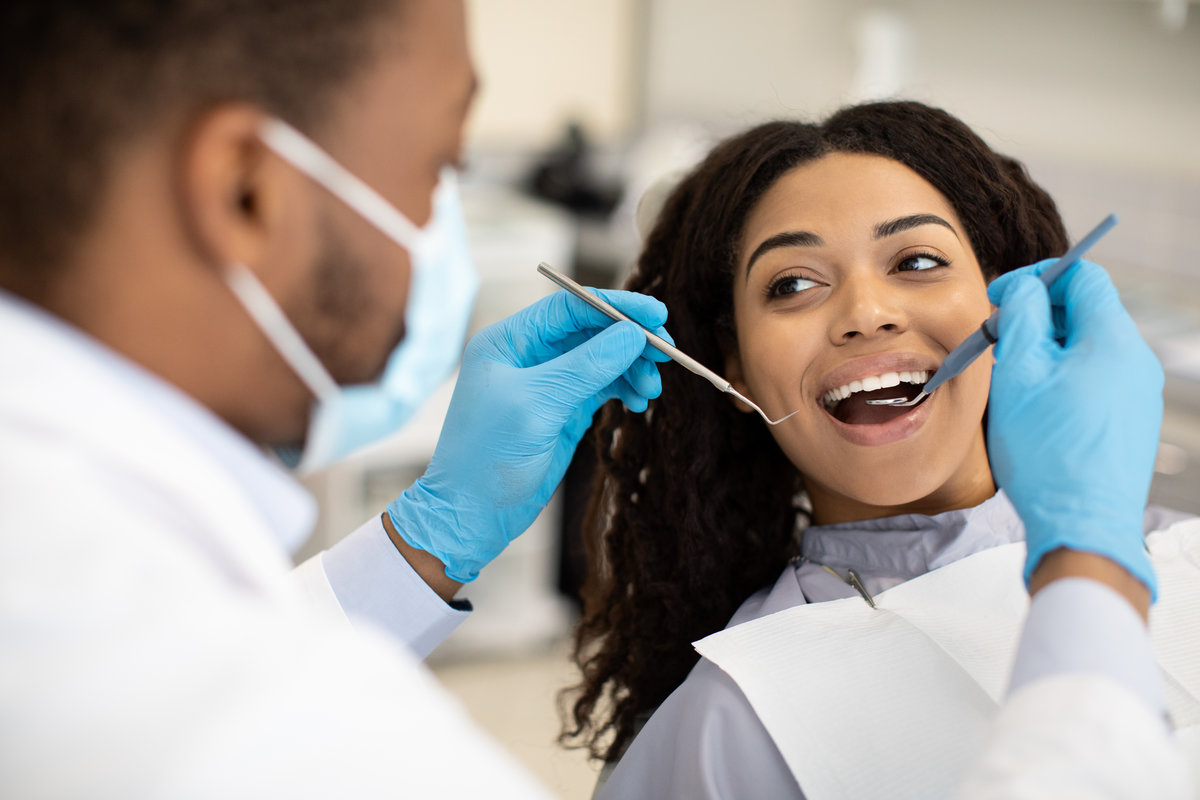
Young African American Woman Having Check Up With Dentist In Modern Clinic, Black Lady Sitting In Chair With Opened Mouth And Looking At Doctor With Dental Tools In Hands, Closeup, Selective Focus

Dental emergencies can strike when you least expect them, leaving you in pain and unsure whether the situation warrants immediate professional attention. Think of your mouth like a smoke detector in your home, constantly sending signals about potential danger. Some symptoms are like a faint beep that can wait until morning, while others are blaring alarms demanding urgent action. Ignoring serious warning signs can transform a manageable problem into a complex, costly ordeal that affects not just your teeth but your overall health and quality of life.

At Smile Craft Dental, we understand that dental emergencies don’t follow a convenient schedule. Our team takes the time to listen to your concerns and address them with the sensitivity and care you deserve. Whether you’re experiencing sudden pain or have noticed something unusual in your mouth, recognizing when to seek immediate dental care can make the difference between saving and losing a tooth.

Severe Toothache That Won’t Subside

Persistent, severe tooth pain is your body’s way of telling you something is seriously wrong beneath the surface. A toothache that wakes you at night, makes it difficult to concentrate, or doesn’t respond to over-the-counter pain medication often indicates an infection that has reached the tooth’s inner pulp. This type of pain typically intensifies when you lie down because increased blood flow to your head amplifies the pressure on already inflamed nerves.

The infection causing your severe toothache can spread beyond the tooth if left untreated. 

Dental-related emergency department visits account for over 2 million visits annually in the United States, with many cases involving dental abscesses and infections that could have been prevented with earlier intervention. When bacteria from an untreated tooth infection enter your bloodstream, they can affect your heart, lungs, and other vital organs.

Swelling in Your Face, Jaw, or Gums

Facial swelling related to dental issues should never be taken lightly, as it often signals a spreading infection that requires immediate attention. When you notice puffiness in your cheek, jaw, or gums accompanied by warmth and tenderness, bacteria have likely escaped the confines of your tooth and are attacking surrounding tissues. This type of swelling can progress rapidly, sometimes within hours, and may be accompanied by fever, difficulty swallowing, or trouble breathing.

An abscess, which is a pocket of pus caused by bacterial infection, creates swelling that can become life-threatening if it blocks your airway or spreads to your brain. The infection can travel through tissue planes and blood vessels, causing complications far beyond your mouth. Professional dental care focuses not only on treating immediate symptoms but also on preventing the systemic complications that can arise from untreated infections.

A Knocked-Out or Loosened Tooth

Dental trauma from sports injuries, accidents, or falls requires immediate professional intervention to give you the best chance of saving your tooth. If an adult tooth gets completely knocked out, time becomes your most critical factor, with the best outcomes occurring when the tooth is reimplanted within 30 minutes to an hour. Handle the tooth only by its crown (the white part you see when you smile), rinse it gently with water if it’s dirty, and try to place it back in its socket if possible, or keep it in milk or saliva until you reach your dentist.

A tooth that has been loosened, partially displaced, or pushed into your gum also needs urgent care, even if it hasn’t fallen out completely. The supporting structures around your tooth, including the periodontal ligament and bone, may have sustained damage that isn’t immediately visible. Our team uses advanced technology to assess the full extent of the injury and develop a treatment plan that gives your tooth the best chance of long-term survival.

Uncontrolled Bleeding

Bleeding that continues for more than 10 minutes after an injury or dental procedure indicates a problem that requires professional assessment. Whether the bleeding stems from a bitten tongue, cut gums, or complications following a tooth extraction, persistent blood flow suggests either a deeper wound than initially apparent or a potential clotting issue. Apply firm, steady pressure with clean gauze or a damp tea bag (the tannic acid helps constrict blood vessels), but if the bleeding doesn’t slow significantly, seek immediate care.

Certain medications, including blood thinners and aspirin, can make it more difficult for your body to form clots and stop bleeding naturally. Liver disease, vitamin K deficiency, and blood disorders can also contribute to prolonged bleeding after dental trauma. Your dentist needs to know your complete medical history and current medications to properly treat uncontrolled oral bleeding.

Signs of Infection You Shouldn’t Ignore

Dental infections manifest through multiple warning signs that often appear together, creating a constellation of symptoms that demand urgent attention. A foul taste in your mouth, persistent bad breath that doesn’t improve with brushing, pus drainage, and swollen lymph nodes in your neck all point to bacterial infection. Fever accompanying any of these symptoms suggests the infection may be spreading beyond the localized area.

The mouth harbors hundreds of bacterial species, and when your body’s defenses are compromised, or a tooth’s protective enamel is breached, these bacteria can multiply rapidly. An untreated infection won’t resolve on its own and typically worsens over time. Cosmetic and restorative treatments can address damage caused by infections, but first, the infection itself must be eliminated through appropriate antimicrobial therapy and removal of the infected tissue.

Broken or Cracked Teeth

A fractured tooth exposes the sensitive inner layers of your tooth to bacteria, temperature changes, and pressure, creating both immediate discomfort and long-term risk. Cracks can range from minor chips affecting only the enamel to severe fractures extending below the gum line or splitting the tooth vertically. Even small cracks can propagate over time, similar to how a tiny crack in your car windshield gradually spreads, eventually compromising the tooth’s structural integrity.

Sharp edges from broken teeth can lacerate your tongue, cheeks, or lips, while the exposed dentin layer transmits pain signals when you eat, drink, or breathe cold air. Modern dental treatments can often save cracked teeth through crowns, bonding, or root canal therapy, but the sooner you seek treatment, the more options your dentist will have. Delaying care often means the difference between a simple restoration and losing the tooth entirely.

Get the Emergency Care You Need at Smile Craft Dental

Recognizing dental emergencies and acting quickly protects both your oral health and your overall well-being. Dr. Janice Chou and our experienced team at Smile Craft Dental combine advanced technology with compassionate care to address urgent dental needs promptly. As a clinical instructor at the University of the Pacific School of Dentistry’s AEGD residency program, Dr. Chou brings the latest evidence-based approaches to every emergency situation we treat.

We pride ourselves on being patient-centered communicators who take the time to listen to your concerns and explain your treatment options clearly. Don’t let fear or uncertainty prevent you from seeking the immediate care you need. Contact our office and let us help you preserve your smile and your health.

Honed to perfection. Fabulous woman clothed in red sweater, with curly long hair and elegant hands is holding a mirror for looking through the final work of dental doctor.

Missing teeth can transform more than your smile. They can reshape your confidence, affect how you eat, and even alter the structure of your face over time. If you’ve been living with gaps in your smile or struggling with uncomfortable dentures, dental implants may offer the permanent solution you’ve been searching for.

At Smile Craft Dental, Dr. Amy Nguyen and her team understand that every patient’s journey to a complete smile is unique. With locations in both Redwood City and Sunnyvale, the practice combines cutting-edge technology with genuine care to help patients restore their smiles through dental implants and other restorative treatments. We are committed to delivering the best patient outcomes, which is why we continually integrate the latest advancements in implant dentistry.

What Are Dental Implants?

Dental implants are one of the best treatments to replace missing teeth. Unlike old-school dentures or bridges, implants can replace the whole natural tooth structure. The procedure involves carefully placing a titanium screw into your jawbone (mandibular or maxillary). This screw acts as an artificial root and actually fuses with the bone. After you’ve healed, a custom-made crown is securely attached to the post. The result is a replacement that looks, feels, and acts exactly like a strong, natural tooth.

Beyond looking great, implants have significant benefits for your oral health and quality of life. They restore complete chewing ability, preserve jawbone density, and stop neighboring teeth from shifting. With proper maintenance, these implants are a long-lasting investment, designed to last for decades.

Key Requirements for Dental Implant Candidacy

The American Academy of Implant Dentistry identifies several important characteristics that make someone an ideal candidate for dental implants. Understanding these requirements helps you determine whether this treatment is right for your situation.

Good Overall Health

Your body’s ability to heal plays a crucial role in the success of implants. Patients in good general health typically experience better outcomes. Certain medical conditions, such as uncontrolled diabetes or autoimmune disorders, can interfere with healing and osseointegration. However, many health conditions can be managed effectively before proceeding with implant surgery. During your consultation, you’ll discuss your complete medical history to determine the best approach for your situation.

Adequate Bone Density

Sufficient jawbone density is essential for supporting dental implants. When a tooth is lost, the surrounding bone deteriorates due to a lack of stimulation. Research indicates that in just the first year after tooth loss, bone width can decrease by up to 25 percent. If serious bone loss has occurred, you may require bone grafting before implant placement. This preliminary procedure rebuilds the jawbone to create a stable foundation for your implants. Advanced imaging technology enables the team to precisely assess your bone structure and develop an appropriate treatment plan.

Healthy Gums and Oral Tissues

Active gum disease or oral infections must be addressed before implant surgery. Healthy gums create the ideal environment for successful implant integration and long-term stability. If periodontal issues are present, treatment will be recommended first to optimize your oral health and improve implant success rates.

Lifestyle Factors That Affect Candidacy

Your daily habits significantly impact implant outcomes. Smoking, for example, restricts blood flow to the gums and bone, which can compromise healing and increase the risk of implant failure. Patients who smoke may be advised to quit before undergoing implant surgery. Similarly, excessive alcohol consumption can affect your body’s healing capacity.

Good oral hygiene is non-negotiable for implant success. After your implants are placed, you’ll need to maintain excellent home care by brushing and flossing regularly and attending routine dental visits. This commitment to oral hygiene helps ensure your implants are healthy and functional for years to come.

What If I Don’t Meet All the Requirements?

Many patients who initially don’t qualify for dental implants can become candidates with appropriate preparatory treatment. Common solutions that can help you become a candidate include the following:

  • Bone grafting: Rebuilds jawbone density and volume to support implants effectively.
  • Periodontal therapy: Addresses gum disease and creates a healthy foundation for implants.
  • Medical management: Working with your physician to optimize control of conditions like diabetes before surgery.
  • Lifestyle modifications: Smoking cessation programs and nutritional counseling to improve healing capacity.

These preparatory treatments expand access to dental implants, allowing more patients to benefit from this transformative restoration option. The key is working with an experienced implant dentist who can assess your unique situation and develop a comprehensive treatment plan tailored to your needs.

Why Choose Smile Craft Dental for Your Dental Implants?

The team at Smile Craft Dental brings exceptional expertise and compassionate care to every implant case. With hundreds of five-star reviews across both locations, the practice has earned a reputation for excellence in restorative dentistry. The doctors invest continuously in advanced education and state-of-the-art technology, ensuring patients receive the most current and effective treatment options available. From your initial consultation through final restoration, you’ll experience the transparent communication and attentive care that define the Smile Craft Dental approach.

The practice accepts most major insurance plans and offers payment plans to make dental implants accessible. For patients who prefer sedation dentistry, comfortable options are available to ensure a stress-free experience. Whether you’re missing a single tooth or need multiple implants, the experienced team will evaluate your candidacy carefully and guide you through every step of the process. Contact Smile Craft Dental today to schedule your dental implant consultation and take the first step toward restoring your complete, healthy smile.

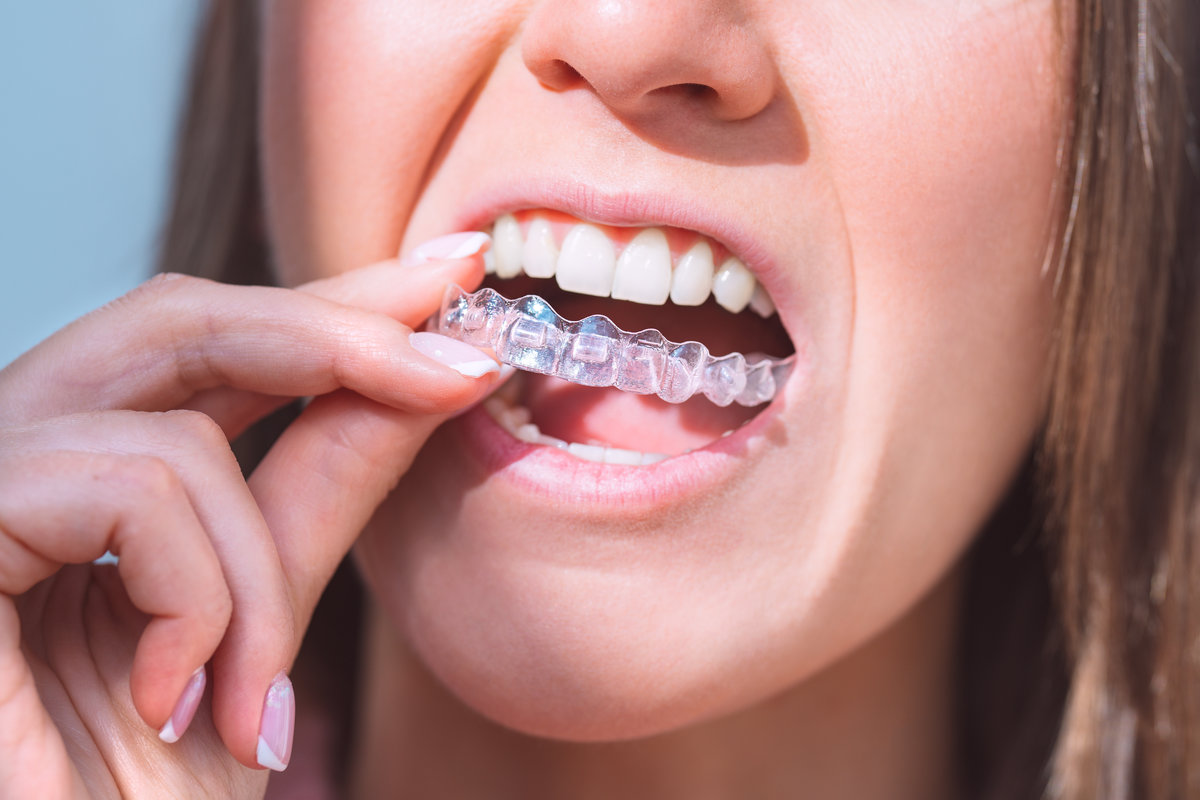
Close-up of woman wearing orthodontic silicone trainer. Invisible braces aligner.

You’ve nailed the promotion, perfected your elevator pitch, and built a professional presence worth noticing. But every time you catch your reflection before a big presentation or smile for a team photo, there’s a hesitation. Your smile doesn’t quite match the confidence you’ve worked so hard to build. Traditional metal braces feel like a step backward—a visible reminder of teenage years that doesn’t fit your polished professional image. January offers more than just another New Year’s resolution opportunity. Between fresh FSA funds, lighter social calendars, and the psychological momentum of a fresh start, it’s the strategic time to finally address what you’ve been putting off without disrupting the career you’ve carefully built.

At Smile Craft Dental in Redwood City and Sunnyvale, Dr. Chou and our experienced team understand the unique challenges working professionals face when considering orthodontic treatment. We provide discreet Invisalign treatment fitting seamlessly into demanding schedules and high-visibility careers. Our patient-centered approach means we listen carefully to your concerns about treatment timelines, appearance during the process, and how orthodontics will integrate with your professional life. With advanced technology and a beautiful office environment that patients consistently rave about, we’ve helped countless Bay Area professionals achieve straighter smiles without anyone at the office noticing they were in treatment.

Why January Offers Strategic Timing for Busy Professionals

January isn’t just another month on the calendar when it comes to Invisalign treatment. For professionals juggling demanding schedules, it represents a convergence of practical advantages that makes starting orthodontic treatment particularly smart. Most employers reset health benefits and flexible spending accounts at the start of the year, meaning your insurance coverage and FSA contributions are at their maximum. This financial timing alone can save you hundreds or even thousands of dollars compared to starting treatment mid-year when you’ve already depleted these resources. Additionally, January through March typically sees fewer major work projects and conferences than the busy spring and fall seasons, giving you the flexibility to attend initial appointments without competing with critical deadlines.

Beyond finances and scheduling, January starts you on a timeline that aligns perfectly with social calendars. Invisalign treatment for simple to moderate cases typically takes 12 to 18 months to complete. Starting in January positions you to finish treatment by the following spring or summer, just in time for graduation season, summer weddings, and the professional conference circuit. You’ll spend the typically quieter winter months adjusting to your aligners and establishing your routine, building consistency during a period when social obligations are lighter.

The Professional Advantage of Nearly Invisible Treatment

For Bay Area professionals, appearance in the workplace matters. Whether you’re pitching to clients, leading team meetings, or interviewing for that next career move, confidence in your smile translates directly to confidence in your presentation. Traditional metal braces create an immediate visual distraction that can undermine professional credibility in ways that feel unfair but remain very real. Invisalign clear aligners solve this challenge with technology specifically designed for adult lifestyles.

Invisalign aligners offer several distinct advantages for working professionals:

  • Discretion during important moments: The clear aligners are virtually invisible during video calls, presentations, and client meetings, allowing you to maintain your professional image throughout treatment without the self-consciousness that comes with metal brackets and wires.
  • Flexibility for social situations: You can remove aligners for important dinners, networking events, or professional photography, then replace them immediately afterward to stay on track with your treatment plan.
  • Minimal speech adjustment: Unlike traditional braces that can affect pronunciation and create a temporary lisp, most patients adapt to speaking with Invisalign aligners within just a few days.
  • Convenient maintenance: Quick removal means you can brush and floss normally without special tools, making it easy to maintain oral hygiene even during busy workdays or business travel.

These practical benefits extend beyond vanity. Studies have consistently shown that adults with aligned smiles report higher levels of self-confidence and are perceived more favorably in professional settings. Our cosmetic dentistry services complement Invisalign treatment beautifully, and many patients choose to combine their orthodontic work with professional teeth whitening for a complete smile transformation.

Start Your Journey This January with Smile Craft Dental

At Smile Craft Dental, we’ve built our practice around the needs of busy professionals who demand excellence in both results and experience. Our team takes time to truly understand your concerns, communicate clearly about treatment expectations, and develop customized plans that respect your schedule and goals. We use advanced digital scanning technology to create your custom aligners with precision, and our convenient Redwood City and Sunnyvale locations make it easy to fit appointments into your workday. Dr. Chou, Dr. Nguyen, and our entire team are dedicated to making your orthodontic experience as smooth and stress-free as possible.

This January, invest in the smile that matches your professional ambitions. New year, new smile, new confidence. Visit ourteam page to learn more about our experienced dentists, orcontact our office today to schedule your complimentary Invisalign consultation and discover how we can help you achieve the smile you’ve always wanted.

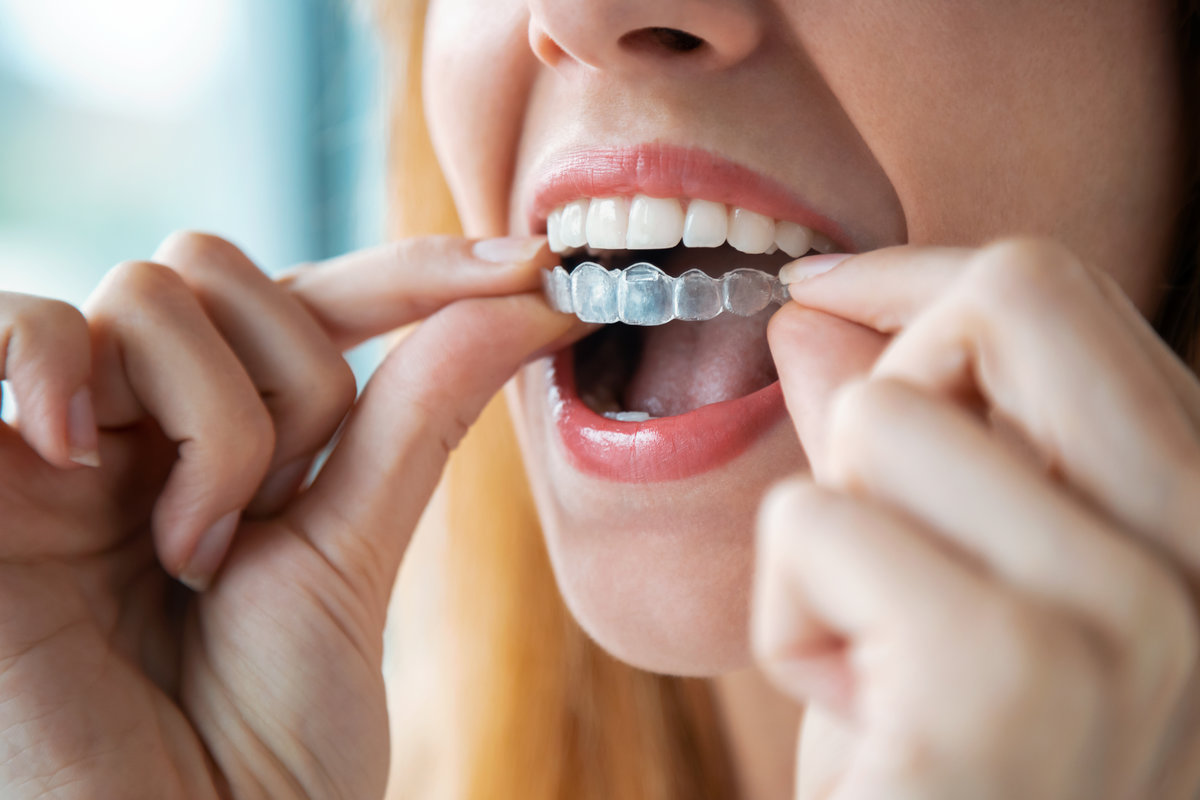
Woman with perfect smile inserting invisible dental aligners for dental correction. High quality photo


Picture standing in front of your bathroom mirror each morning, sliding in a nearly invisible aligner that will gradually reshape your smile without the metal brackets and wires of traditional braces. For many adults and teens considering orthodontic treatment, Invisalign is an appealing path toward straighter teeth. Still, questions naturally arise about what each phase of treatment actually feels like and how long the transformation will take.

At Smile Craft Dental in Redwood City and Sunnyvale, Dr. Janice Chou and Dr. Amy Nguyen combine advanced clear aligner technology with a patient-centered approach, earning outstanding reviews from Bay Area families. With expertise gained through continuing education and clinical teaching at the University of the Pacific School of Dentistry, their team sets realistic expectations and provides compassionate guidance throughout every stage of treatment.

The First Month: Adjusting to Your New Routine

Initial Consultation and Treatment Planning

Your Invisalign treatment starts with a thorough evaluation. Your dental team uses advanced 3D imaging to create detailed digital scans of your teeth, discuss your smile goals, and preview your treatment plan, showing how your teeth will gradually shift into position. This initial phase typically takes about an hour and involves no discomfort beyond a routine dental exam.

Weeks One Through Four

The first two weeks are the steepest learning curve as you adapt to wearing aligners 20 to 22 hours a day. You’ll feel mild pressure during the first 24 to 48 hours after inserting each new set, which indicates the aligners are working to shift your teeth — a sensation many patients compare to the tightness felt after a braces adjustment. Discomfort typically fades within 2 to 3 days. This month is also when new habits form: removing aligners before eating or drinking anything but water, and establishing a consistent cleaning routine for both teeth and aligners.

Months Two Through Six: Visible Progress Emerges

As treatment continues, subtle changes become increasingly noticeable — friends and family may start commenting on your improving smile, even though the aligners themselves stay virtually invisible. According to research published in the Journal of Pharmacy and Bioallied Sciences, patients typically complete Invisalign treatment in approximately 18 months, with many seeing significant improvement by the six-month mark.

Tracking Your Progress

Your dental team schedules checkups every 6 to 8 weeks to monitor progress and provide your next set of aligners. These visits confirm alignment is occurring as planned, distribute several weeks’ worth of new aligners at once, allow for adjustments with refinement aligners if any teeth aren’t tracking as expected, and give you a tangible side-by-side comparison of your starting smile against your current progress. These regular touchpoints keep treatment on track and help maintain accountability for wearing your aligners the recommended hours each day.

Months Seven Through Twelve: Approaching Your Final Smile

The Home Stretch

By month seven, your teeth have undergone substantial movement, and you’re likely noticing real improvement in alignment, spacing, and bite correction. The pressure from new aligners often feels less intense now, as your teeth have adapted to the gradual shifting process. Continuing excellent oral hygiene and aligner care through this stretch is what protects the results you’ve already built toward. This phase is also a common time to discuss complementary cosmetic options, such as professional teeth whitening, that can round out your newly straightened smile.

Final Refinements and Retention

As you approach the end of your projected timeline, your dental team evaluates whether additional refinement aligners are needed to perfect minor details — some patients need two to three refinement series, which is a normal part of the process rather than a setback. Once your teeth reach their ideal positions, you’ll transition to retainers, worn full-time at first and gradually reduced to nighttime-only wear as directed by your provider.

Begin Your Invisalign Journey With Smile Craft Dental

Understanding the month-by-month progression of Invisalign treatment helps you approach this journey with realistic expectations and confidence. Dr. Chou, Dr. Nguyen, and the Smile Craft Dental team bring advanced training, current technology, and genuine care to every patient relationship. Whether you’re in Redwood City, Sunnyvale, or a surrounding Bay Area community, Smile Craft Dental offers Invisalign at both locations, with Cherry financing available and most PPO insurance accepted. Contact our office today to schedule your Invisalign consultation.

Frequently Asked Questions About the Invisalign Journey

How long does Invisalign treatment typically take?

Most patients complete treatment in around 18 months, though timelines vary based on the complexity of the case and how consistently aligners are worn.

Does Invisalign hurt more than braces?

Both involve some pressure as teeth shift, but many patients describe Invisalign discomfort as milder and shorter-lived, typically fading within 2 to 3 days after each new aligner set.

What happens if I don’t wear my aligners for the full 20 to 22 hours a day?

Inconsistent wear can slow progress or require additional refinement aligners later, since the treatment timeline is built around consistent daily wear.

Will I need a retainer forever after Invisalign?

Yes, ongoing retainer wear, eventually reduced to nights only, is necessary to keep teeth from gradually shifting back toward their original position.

Can I get whitening done at the same time as Invisalign?

Whitening is often better suited to later in treatment or after aligners are removed, since your dental team can advise on the best timing for combining the two.

Front view portrait of a man with black skin complaining about tooth ache


Dental pain is a major sign from your body saying, “Hey, something’s wrong, and you need to get it checked out fast!” Whether it’s a little nagging feeling or so bad it keeps you up at night, dental pain can mess up your day-to-day life, making things like eating and talking difficult. This discomfort shows up differently for everyone. It can be a sudden, sharp jolt when you chew, or perhaps it’s a constant, throbbing ache that affects the way you are able to show up day to day.

At Smile Craft Dental in Redwood City and Sunnyvale, Dr. Janice Chou and her team understand that every type of tooth pain tells a different story about what’s happening beneath the surface. Using advanced diagnostic technology and a patient-centered approach, the practice helps Bay Area patients pinpoint the source of their discomfort and develop treatment plans that address the cause, not only the symptoms. Recognizing the different types of tooth pain helps you understand when to seek emergency dental care and what treatment options might be appropriate for your specific situation.

Sharp Pain When Biting or Chewing

When you experience a sudden, sharp pain while biting down on food, it often indicates a specific dental issue that requires professional evaluation. According to research from the University of Utah Health, this sharp, localized pain may point to a cracked tooth, a dislodged filling, or decay that has reached the inner layers of your tooth. The pain typically occurs because pressure from chewing directly affects exposed nerve endings or pushes fragments of a damaged tooth together.

A crack in your tooth can be particularly concerning because it may not always be visible to the naked eye. Yet, it can cause significant discomfort and potentially lead to more serious complications if left untreated. The crack creates a pathway for bacteria to reach the tooth’s pulp, potentially leading to infection and abscess formation. Similarly, when a filling becomes loose or falls out, the exposed tooth structure becomes vulnerable to temperature changes and bacterial invasion.

If you’re experiencing sharp pain when biting, avoiding hard or chewy foods temporarily can help prevent further damage. Still, it’s essential to schedule an appointment with your dentist as soon as possible. The team at Smile Craft Dental can perform a thorough examination using digital imaging to identify the exact cause of your discomfort and recommend appropriate restorative treatments to repair the damaged tooth structure.

Sensitivity to Hot or Cold Temperatures

Temperature sensitivity is one of the most common complaints among dental patients, ranging from a brief twinge to prolonged discomfort that lingers well after the hot coffee or ice cream is gone. This type of pain occurs when the protective enamel layer of your teeth wears away or when your gums recede, exposing the underlying dentin, which contains microscopic tubules that lead directly to the tooth’s nerve center.

The duration and intensity of your sensitivity can provide important clues about what’s happening. Brief sensitivity that lasts only a few seconds typically indicates minor enamel erosion or early gum recession. These conditions can often be managed with desensitizing toothpaste and improved oral hygiene practices. However, if the pain persists for more than 15 seconds after the temperature stimulus is removed, it may signal more serious issues such as advanced decay or inflammation of the tooth’s pulp.

The following are causes of temperature sensitivity:

  • Worn enamel: Acidic foods, aggressive brushing, and teeth grinding can gradually erode the protective outer layer of your teeth, leaving the sensitive dentin exposed to temperature changes and increasing your risk of decay.
  • Gum recession: When gum tissue pulls away from the teeth due to periodontal disease or harsh brushing techniques, it exposes the tooth roots, which lack the protective enamel covering and are particularly vulnerable to temperature-related discomfort.
  • Recent dental work: Temporary sensitivity following procedures like cleanings, fillings, or cosmetic treatments is normal and typically resolves within a few weeks as your teeth adjust to the changes.

Temperature sensitivity shouldn’t be ignored, as it often serves as an early warning sign of developing dental problems. The experienced team at Smile Craft Dental can evaluate your symptoms and recommend targeted solutions, from fluoride treatments and desensitizing agents to more comprehensive restorative procedures if needed.

Constant, Throbbing Pain

A persistent, throbbing toothache that doesn’t subside is one of the most urgent types of dental pain, often indicating an infection or abscess that requires immediate professional attention. This type of pain typically stems from inflammation or infection within the tooth’s pulp, the innermost chamber containing nerves and blood vessels that keep your tooth alive and healthy.

When bacteria penetrate deep into a tooth through untreated decay or a crack, they can cause the pulp to become inflamed and infected. As the infection progresses, pressure builds up inside the rigid tooth structure with nowhere to escape, resulting in the characteristic throbbing sensation that often intensifies when lying down or during physical activity. You may also notice swelling in your face or gums, fever, or a bad taste in your mouth, all signs that the infection is spreading beyond the tooth itself.

Throbbing tooth pain should never be ignored or treated solely with over-the-counter pain medication, as the underlying infection will continue to worsen without professional intervention. The infection can spread to surrounding tissues, bone, and even other parts of your body if left untreated. Smile Craft Dental offers comprehensive treatment options, including root canal therapy to remove infected tissue, eliminate pain, and save your natural tooth whenever possible.

Get Professional Help at Smile Craft Dental

Understanding what your tooth pain means is the first step toward finding relief and protecting your long-term oral health. The knowledgeable team led by Dr. Janice Chou brings advanced training and cutting-edge technology to every diagnosis, ensuring accurate identification of dental problems and effective treatment solutions tailored to each patient’s unique needs.
Don’t let tooth pain disrupt your life or lead to more serious complications. Whether you’re experiencing sharp sensitivity, constant throbbing, or any other type of dental discomfort, contact Smile Craft Dental today to schedule an examination and take the first step toward a pain-free smile.

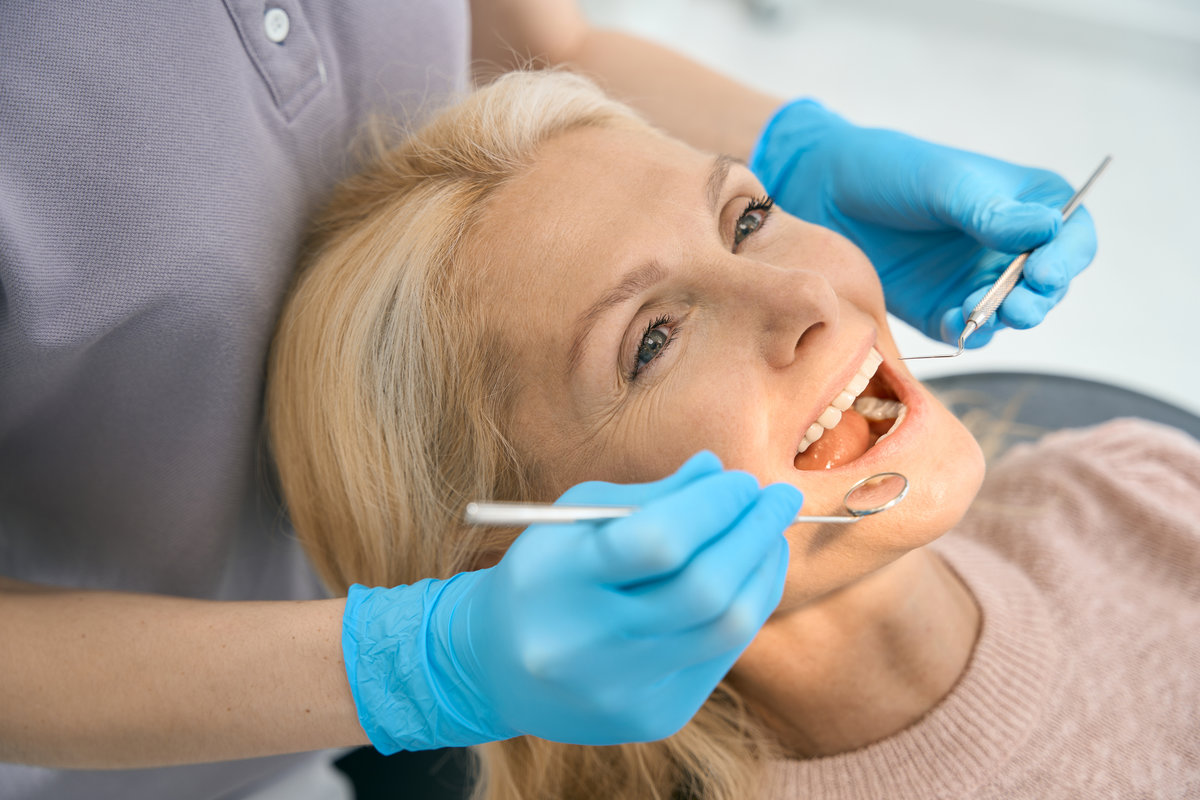
Female patient visiting dantist for examining mouth with the mirror

Few aspects of healthcare spark as much confusion as dental insurance coverage, particularly when it comes to procedures that blend function with aesthetics. Understanding dental insurance is like reading a map written in code. You know where you want to go, but deciphering the route takes help. You’ve likely found yourself squinting at policy documents, trying to decipher whether your plan will help cover that dental implant or cosmetic treatment you’ve been considering. The language is often vague, the exclusions seem endless, and the customer service representatives sometimes provide answers that only deepen the mystery.

At Smile Craft Dental, our team understands the frustration of navigating insurance benefits for restorative and cosmetic procedures. Serving patients in Redwood City and Sunnyvale, we work with most major insurance providers to help you maximize your benefits and understand exactly what your plan covers. Our patient-centered approach means we take time to explain your coverage options clearly, ensuring you can make informed decisions about treatments like dental implants, veneers, and Invisalign without the usual insurance headaches.

Understanding Dental Insurance

Dental insurance gives people coverage to help pay for certain types of dental work. Having this coverage is the best way to prepare for any unexpected dental problems that might arise. Each month, people will pay a set dollar amount, called a premium, to pay for coverage. The monthly premium will depend on the insurance company, the location, and the chosen plan. Depending on the insurance plan, it can cover some or even all of the costs of certain dental treatments.

In many cases, the dentist’s office will bill the insurance plan directly for care provided, and the patient will only need to pay a copay for each visit or treatment. A dentist cannot answer questions about a specific dental insurance plan or predict what level of coverage for a particular procedure will be. People should contact their employer’s benefits department, dental insurance plan, or the third-party payer of a health plan for any questions about coverage.

How to Shop for Dental Insurance

Plenty of options exist for dental insurance. This can be good, as plans cater to a wide range of needs. The types of coverage, premiums, and deductibles can vary — which can be confusing. When selecting a dental insurance plan, people should consider several factors. The first step involves evaluating needs: young, single adults with good dental health will have different needs than a family with a history of gum disease. Making a generalized list of dental and oral health needs can serve as a good benchmark for evaluating policies and anticipating overall costs.

Finding In-Network Dentists

When choosing dental insurance, many people want the plan to include their current dentist. Most providers have websites with a directory of dentists within their network. One can visit their dental insurance carrier’s website to search for their dentist’s in-network status. If their dentist is not within the network, patients can shop around for a different dental insurance provider. Alternatively, they can select a dentist in-network that accepts their insurance. An insurance company that covers many dentists and providers typically remains in good financial standing with a solid reputation — meaning that claims will likely be reimbursed on time.

Types of Dental Insurance Plans

It is also important to understand the different types of dental insurance plans since each will have varying out-of-pocket costs, benefits, deductibles, and more. Typically dental plans are divided into Preferred Provider Organizations (PPO), Dental Health Maintenance Organization (DHMO), discount dental plans (DDP), and Managed Fee-for-Service Plans. Once people determine the available plans, they should also consider their budget and the covered procedures, waiting periods, and annual limits. Taking the time to evaluate dental needs, budget, and anticipated level of care can make choosing the right dental plan easier.

Costs to Compare

When searching for a dental insurance provider, patients should first consider the monthly premium and deductible. They should also consider the amount they will have to pay out-of-pocket for dental services (copays) before insurance kicks in. The maximum annual limit is also essential to note. Most insurance companies put a cap on the amount they will reimburse each year. Once this cap has been reached, all the patient’s dental expenses will be out-of-pocket.

Most routine dental treatments remain covered under dental insurance, but many plans do not cover “extras,” such as whitening or sealants. Check with the insurance carrier to learn about covered procedures. Also, be aware that some insurance plans have required waiting periods — leaving patients waiting a long time for coverage on specific procedures — especially the more expensive ones.

How Coverage Works: The 100-80-50 Structure

Most dental insurance plans follow the 100-80-50 coverage structure. That means the plan covers preventative care at 100%, basic procedures at 80%, and major procedures at 50%. Sometimes major procedures have a larger copayment. Some dental plans do not cover some procedures, so people must check with their insurance provider for more information.

Purchasing dental insurance is a personal decision that depends on how much dental work the patient needs and how many family members they have. Generally, the more dental work required and the more family members, the more value for the money. If they know they need major dental work, they should look for a policy with a high spending cap. If they have minimal dental needs, selecting a partial coverage plan may be the most fiscally responsible decision.

Like health insurance plans, dental plans typically have a deductible — the amount one has to pay out of pocket each year before the plan starts to cover its portion of costs. Patients may also have to pay a preset co-pay before receiving a service or treatment. The co-pay is usually due to the dentist at the time of the service and applies even after the deductible has been met. Most plans cap the total amount they will pay for care per plan member per year, making it important to plan ahead for major treatment.

Family vs. Individual Dental Insurance

Oral health coverage does not come as “one size fits all.” Some may need insurance only for themselves, whereas others may be in the market for insurance for the entire family. Patients can purchase individual dental insurance plans through the marketplace (U.S. government) when selecting their health insurance coverage or directly through the carrier. Premiums for individual plans tend to be lower than family plans as only one individual is covered.

Family dental insurance plans cover the entire family and typically have higher premiums as more people seek coverage. Most family plans have allowances for two exams annually per plan member. Patients should find the right blend of insurance coverage that matches the entire family’s oral care needs while still being affordable. Employer-sponsored health insurance is the primary source of coverage for people in the United States — carefully reading the details of an employer’s dental plan is the best starting point.

Enrolling Through the ACA Marketplace

The Affordable Care Act (ACA) is a comprehensive healthcare reform intended to extend health insurance coverage to millions of uninsured Americans. It does not cover dental coverage for adults, but it does mandate that dental insurance is available to families with children. Adults do not have to buy coverage for themselves under the ACA.

People can get dental coverage either as part of a health plan or by themselves through a separate, stand-alone dental plan. People interested in enrolling should create an account and apply for a plan during open enrollment. They can also browse plans on healthcare.gov to determine whether they qualify for a special enrollment period.

How Dental Insurance Classifies Different Procedures

Insurance companies divide dental treatments into distinct categories, and these classifications determine everything about your coverage. Preventive care is typically fully covered because insurers recognize that cleanings and exams prevent costly problems down the road. Restorative procedures like fillings and crowns usually receive partial coverage because they address existing dental health issues. Cosmetic dentistry, however, often falls into a gray area where coverage becomes complicated.

The challenge arises because many procedures serve dual purposes. A dental crown, for example, protects a damaged tooth while also improving its appearance. Dental implants replace missing teeth and restore chewing function, yet many insurance plans still classify them as elective or cosmetic. According to data from the Centers for Disease Control and Prevention, only about 50.2% of adults aged 18-64 with private health insurance have dental coverage at all, and those who do often discover significant limitations when seeking coverage for major procedures.

This classification system explains why two patients with different insurance plans might receive vastly different coverage for the same procedure. Your plan’s specific definition of medical necessity determines what gets covered and what doesn’t.

What’s Typically Covered for Implants and Cosmetic Dentistry

The following is what may be covered for implants or cosmetic dentistry treatments:

Dental Implants and Insurance Coverage

Most traditional dental insurance plans approach implants with caution. Because alternatives like bridges or dentures cost less, insurers often classify implants as an upgraded choice rather than a medical necessity. However, the picture isn’t entirely bleak. Many plans will cover specific components of the implant process, even if they won’t cover the implant itself.

Your insurance might cover the initial consultation, diagnostic imaging, any necessary tooth extractions, or the final crown that sits atop the implant. Some plans provide partial coverage when implants address tooth loss from an accident, congenital condition, or disease rather than routine decay. The key lies in understanding how your specific plan breaks down the procedure into separate billable components.

Cosmetic Procedures and Medical Necessity

Pure cosmetic procedures rarely receive insurance coverage. Teeth whitening, for instance, rarely qualifies for benefits. Veneers typically fall into the same category unless they’re repairing damage from an accident or addressing a functional problem. Clear aligners like Invisalign occupy the middle ground, with some plans offering partial orthodontic benefits while others exclude adult orthodontics entirely.

The concept of medical necessity opens the door to coverage in specific situations. When cosmetic treatments address functional issues, documentation from your dentist can make the difference between approval and denial. Severely worn teeth affecting your bite, damaged teeth causing pain, or alignment issues interfering with proper cleaning may all qualify for coverage under the right circumstances.

Navigating Your Coverage Successfully

Understanding your actual benefits requires more than reading your policy’s summary of benefits. The most reliable approach is to communicate directly with both your insurance provider and your dental office before beginning treatment. Several key strategies can help you maximize your benefits and avoid surprises:

Before scheduling any major procedure, request a pre-authorization from your insurance company. This process provides written confirmation of what your plan will cover, eliminating guesswork about your out-of-pocket costs. Ask specific questions about deductibles, annual maximums, and whether waiting periods apply to major services. Many plans impose 6-12 month waiting periods for procedures like implants or crowns, meaning coverage won’t begin until you’ve held the policy for a specified time.

Your annual maximum represents another crucial consideration. Most dental plans cap benefits between $1,000 and $2,000 per calendar year. A single implant can easily exceed this amount, meaning you’ll be responsible for costs beyond your maximum regardless of your plan’s coverage percentage. Understanding this limitation helps you plan treatment timing and budget appropriately.

Plans that accept assignments allow your dentist to bill the insurance company directly and accept their payment as partial payment for services. This arrangement simplifies the payment process and often means you only pay your estimated portion at the time of service. At Smile Craft Dental, we work with most major insurance providers, and our team handles insurance coordination to make your experience as smooth as possible.

Frequently Asked Questions

Why should I get dental insurance?

Oral health plays an important role in overall health. Like healthcare, dental care can be costly, particularly with procedures required beyond the bi-annual check-up. Dental insurance provides peace of mind that procedures will be covered without causing financial hardship.

Who needs dental insurance?

Everyone should consider dental insurance. Dental insurance can help lower the costs of maintaining a healthy mouth. It can help everyone by preventing oral health problems before they start.

What is the best dental plan for me?

You should consider many factors when choosing a dental plan. Examine each member of your family’s coverage needs and evaluate which plan offers financial feasibility. Look at all costs, including premiums, deductibles, and copays. Carefully read the plan’s coverage for services to ensure your desired level of care.

Can I be covered under more than one dental plan?

It is possible, but it is likely that one of your plans will be considered your primary plan. Your primary plan will pay toward your dental care first, while any additional plans will pay the remaining portion. Together, the plans cannot pay more than 100% of the treatment cost.

What is a Preferred Provider Organization (PPO) dental plan?

A PPO plan is regular indemnity insurance combined with a network of dentists under contract with the insurance company to deliver services for set fees. Patients with PPOs must select a dentist from a network of preferred dental providers. Non-contracted dentists who are not in the insurance network may have higher or lower fees than the plan allows.

What is a Dental Health Maintenance Organization (DHMO) plan?

A DHMO plan is a type of “managed care” insurance. With DHMOs, a network of qualified dentists provide comprehensive and affordable care for dental patients. Patients choose a dentist from the network and pay a low monthly premium to receive services at little or no cost. Some services may require a copayment.

What is a discount dental plan (DDP)?

Discount dental plans are not traditional insurance plans. Patients pay the cost of treatment at the contracted rate determined by the plan. No dental claim forms are filed after receiving services. Members make monthly or annual payments and may receive unlimited dental care from dentists who participate in the dental network at discount prices based on a set fee schedule.

Making Advanced Dental Care Affordable at Smile Craft Dental

Even with insurance limitations, achieving the smile you deserve remains within reach. Our Redwood City and Sunnyvale offices offer multiple solutions to make cosmetic and restorative dentistry more accessible. We provide detailed treatment estimates before you commit to any procedure, ensuring you understand all costs upfront with complete transparency.

Whether you’re considering dental implants to replace missing teeth, exploring Invisalign for a straighter smile, or interested in veneers for a complete transformation, our experienced team at Smile Craft Dental combines advanced technology with compassionate care. Our Spanish-speaking staff ensures that language never becomes a barrier to understanding your treatment or insurance options. We believe that every patient deserves access to high-quality dental care in a beautiful, comfortable environment, which is why we work diligently to help you navigate insurance complexities and explore all available financial options. Contact our office today to schedule a consultation to review your specific insurance benefits and discuss the best path forward for your dental health and smile goals.




Invisalign-or-braces v1″ role=”contentinfo”>

The Difference Between Metal Braces and Invisalign

While metal braces and Invisalign provide the same end result, it is important to understand the differences and similarities between the two.

Metal Braces

While people may connect metal braces to children or teens, they are still an effective form of dental correction for patients of all ages. For many years, metal braces remained the only option to correct crooked and crowded teeth. Braces involve metal brackets glued to the enamel of each tooth. Metal wires are laced between the brackets to help shape and mold teeth over time. The wires placed on the bracket can sometimes be the same color as tooth enamel so they are less noticeable; however, most of them are metal/silver. Patients also have the option to choose multiple colors to add their own unique style to their braces.

Metal braces are irremovable and stay in place for the duration of treatment. They may be a good option for patients who are concerned about losing their aligner trays or do not want to have to change out trays. Treatment time varies by case, but the average for teens tends to be approximately two years. Most patients require a monthly or bi-monthly check-up, so the practitioner can see how teeth shift, adjust wires accordingly, and ensure there are no issues that need to be corrected.

Invisalign

Invisalign offers a clear set of plastic aligners called “trays” customized to fit each patient’s mouth. Invisalign uses 3-D imagery of the patient’s teeth to configure and customize the trays to ensure the right fit. The smooth plastic used to create the trays remains BPA-free, providing comfortable wearing. They must be checked and replaced throughout the treatment for both teens and adults to align teeth into the proper position.

Invisalign aligners are removed while eating, drinking, and engaging in activities without interference or concerns about oral injury. Invisalign should be worn approximately 21-22 hours a day for 6-18 months, depending on the issue that needs correcting. Follow-up visits take place approximately every 6 to 8 weeks to change trays. Trays will need to be fitted and customized throughout the treatment as they keep the teeth moving at a gradual pace.


Our Locations
Call Us Today
Comments/Suggestions
Skip to content