Oral-Systemic Health and Preexisting Conditions
Gum disease, also known as periodontal disease, may be considered the primary component of the oral-systemic connection. The mouth is one of the primary entryways into the digestive and respiratory tracts, making it a natural breeding ground for bacteria. Most of such bacteria are harmless, but poor oral hygiene may allow them to multiply to dangerously high levels. At this point, the mouth becomes at risk for infections such as gum disease, which causes ongoing inflammation. Researchers are still studying how that inflammation may affect other parts of the body.
Oral health is most notably linked to preexisting heart conditions and diabetes. However, others involve pneumonia, rheumatoid arthritis, and more. Research has shown that heart disease and periodontitis have an association, although it has not shown that one causes the other, and that diabetes and gum health exist bidirectionally. For diabetes in particular, managing one condition can support better control of the other. Poor oral hygiene can also increase the risk of pneumonia in older adults, and rheumatoid arthritis and periodontal disease are both inflammatory conditions that researchers have linked to each other.
“Gum disease, also known as periodontal disease, may be considered the primary component of the oral-systemic connection.”
Habitual vs. Genetic Factors in Oral Health
Habitual
Dental problems stemming from behavior, habit, and maintenance affect a person’s oral health from birth to adulthood. The leading causes of many oral concerns are smoking, excessive alcohol consumption, poor nutrition, and inadequate brushing, flossing, and rinsing. Maintaining a proper oral hygiene routine is crucial from the moment the first teeth erupt. A healthy routine for adult teeth consists of brushing 2-3 times a day, flossing daily, rinsing before and after meals, and visiting the dentist for regular checkups and cleanings.
Genetic
A variety of oral health conditions are primarily genetic and may be out of a person’s control. In most cases, health conditions are a combination of genes and the environment. Oral conditions found to be genetic to some extent include periodontal disease, cavities and caries, tooth decay and erosion, oral cancer, cleft lip or palate, and misaligned teeth. These conditions can escalate with improper or inadequate oral hygiene and impact other body systems.
How to Prevent These Issues
Oral care in early infancy, such as gently wiping a baby’s gums and brushing the first teeth, is the first step toward lifelong oral health and can help lower a person’s risk of disease into adulthood. Regular checkups make it possible to catch many oral conditions early, when they are easier to treat. More severe conditions such as gingivitis, periodontal disease, and oral cancer can be treated by a dental professional through surgeries and various treatments when found early. The most crucial step in preventing oral and systemic health concerns is maintaining a consistent oral hygiene routine.
Healthy Living and Wellness Plans
A part of living a healthy, balanced life is diet, nutrition, exercise, and hygiene. A good oral hygiene routine entails proper brushing twice a day, flossing and rinsing daily, consistent six-month dental checkups and cleanings, replacing toothbrushes every three months, and avoiding sugary foods and beverages.
A wellness plan is a program designed to improve health and fitness, usually offered by employers and insurance companies. A wellness plan encompasses all health concerns (mental, physical, and emotional) for full-body wellness. They incorporate oral health, general health, and mental health concerns into a systemic chain that combats conditions simultaneously.
“In most cases, health conditions are a combination of genes and environment.”
Heart Conditions
Heart Disease
Poor oral health increases the risk of bacteria and infection entering the bloodstream, particularly affecting patients with artificial heart valves. The Mayo Clinic found that “heart disease, clogged arteries, and stroke might be linked to the inflammation and infections that oral bacteria can cause.” A 2012 American Heart Association scientific statement reviewed this research and found that periodontal disease and heart and blood vessel disease are associated, independent of shared risk factors such as smoking, age, and diabetes. The same review found no proof that gum disease causes heart disease, or that treating gum disease prevents heart attacks or strokes. Healthy gums are still worth protecting, but they are not a substitute for the care your physician recommends for your heart.
Endocarditis
Endocarditis is an infection in the inner lining of the heart chambers caused by bacteria in the bloodstream. Germs, usually bacteria, can attach to damaged heart valves or the inner lining of the heart, and the infection can be life threatening without treatment. The American Heart Association recommends antibiotics before certain dental procedures only for people at the highest risk, such as those with a prosthetic heart valve, a history of endocarditis, or certain congenital heart conditions. If any of these apply to you, tell your dentist and your cardiologist before treatment.
“Gum disease and heart disease are associated, but research has not shown that one causes the other.”
The Gut and Immune Systems
Gut Health
Researchers are studying how oral bacteria may affect the digestive system, even though the gut holds far more bacteria than the mouth. The Journal of Oral Microbiology study concluded that “severe diseases and genetic susceptibility of the host may promote ectopic colonization of oral bacteria.” This research is still early, and it does not yet tell patients how to prevent or treat digestive conditions through dental care.
Immunodeficiencies
Immunodeficiencies are conditions that weaken the body’s immune defenses. Some are inherited, while others are acquired, such as HIV infection or the effects of certain medications and cancer treatments. The National Institutes of Health found that “bacterial plaque related periodontal diseases seem particularly sensitive to primary deficiencies in the innate immune system.” Since an immunodeficient patient’s body defenses are weak, the immune system has difficulty fighting infections and bacteria that enter through the mouth.
“Since an immunodeficient patient’s body defenses are weak, the immune system has difficulty fighting infections that enter through the mouth.”
Gum Disease Link to General Health
Gum disease is a leading cause of tooth loss in adults, and its advanced form is called periodontitis. The CDC found that “Certain chronic conditions increase one’s risk for periodontal disease including diabetes, a weakened immune system, poor oral hygiene, and heredity.” Gum disease, characterized by red, swollen, or bleeding gums, can result in tooth and bone loss when left untreated.
Diabetes is another common condition that both affects and is affected by gum disease. According to the Mayo Clinic, diabetes reduces the body’s resistance to infection and puts the gums at risk, and research shows that people who have gum disease have a harder time controlling their blood sugar. The American Academy of Periodontology describes this as a two-way relationship, and notes that periodontal treatment has been shown to help improve blood sugar levels in people with diabetes. If you have diabetes, regular scaling and root planing or other gum care your dentist recommends can be part of managing your overall health.
“Diabetes and gum disease have a two-way relationship, so caring for one can help with the other.”
Cavities and Sensitive Teeth
Cavities, also called caries, form when acids made by plaque bacteria break down the tooth’s enamel. As tooth structure decays, the teeth and surrounding areas become sensitive to hot and cold food, drink, air, and temperature. Sensitivity can make brushing and flossing uncomfortable, which may lead some people to skip them and allow more plaque to build up.
Other Effects of Cavities
Untreated cavities can lead to infection and, eventually, tooth loss. According to the CDC, “Untreated tooth decay can lead to [an] abscess (a severe infection) under the gums which can spread to other parts of the body and have serious, and in rare cases fatal, results.” A dental abscess needs prompt treatment, so tooth pain, swelling, or fever should never be ignored.
“As tooth structure decays, the teeth and surrounding areas become sensitive to hot and cold food, drink, air, and temperature.”
Cracked and Broken Teeth
Cracked teeth can happen in a variety of ways: craze lines, cracked cusps, cracked teeth, and split teeth. Craze lines are common in adults and are not harmful as they are merely on the surface enamel but may lead to a cracked tooth. Cracked cusps can lead to a broken tooth, and cracked and split teeth need immediate attention as they can cause damage to other parts of the mouth, especially the gums.
Cracked or broken teeth can cause many oral and general health problems, as cracks give way to bacteria and infection. The Oral Health Foundation found that “If they are not treated, cracked teeth can lead to the death of the nerve, and an abscess might grow.” An abscess is full of pus and bacteria, and when it opens, the bacteria travels through various tracts to the body.
“Cracked or broken teeth can cause many oral and general health problems, as cracks give way to bacteria and infection.”
Oral Cancers
Oral cavity and oropharyngeal cancer most commonly result from behavioral factors such as smoking, excessive drinking, and poor nutrition. People with a weak immune system are at the highest risk of developing oral cancers, as the body is unable to fight bacteria and infection as effectively. Human papillomavirus (HPV) infections can also cause oral cancers because of their effect on the mouth and throat.
Oral hygiene plays a vital role in reducing the risk of oral cancers along with preventing oral and general health concerns. The American Cancer Society found that “the overall health of the mouth, teeth, and gums may impact oral cavity and oropharyngeal cancer risk because of changes in the normal bacteria in the mouth.” Poor oral hygiene may be linked to these cancers because of bacterial infections, tooth decay, and gum disease.
“Oral hygiene plays an important role in both reducing risk of oral cancers and preventing oral and general health concerns.”
Effects During Pregnancy
Premature Birth
Researchers have studied whether gum disease during pregnancy affects the baby. According to the Matern Child Health Journal, “Untreated dental disease can lead to infection and inflammation, which have been implicated as significant contributors to preterm birth.” This is an association, and research is still working out whether treating gum disease during pregnancy changes birth outcomes. Our guide to oral health and pregnancy explains what current ADA and ACOG guidance says about safe dental care while expecting.
Low Birth Weight
Women who have periodontal disease have also been linked to higher rates of premature birth and low birth weight. In an article on preventative medicine, researchers reported better birth outcomes among pregnant women who brushed thoroughly more often. Dental cleanings, X-rays when needed, and local anesthesia are considered safe during pregnancy, so needed care should not be postponed.
“Dental care is considered safe during pregnancy, and needed treatment should not be postponed.”
Managing Preexisting Conditions During Dental Care
Just as oral health may affect other aspects of a patient’s health, certain systemic conditions may also influence a patient’s oral health. Neglecting one aspect of one’s medical care can easily cause a never-ending cycle of health issues. As such, the very nature of the oral-systemic connection can sometimes necessitate changes to a patient’s treatment plan, dental or otherwise. For instance, patients who have had a heart attack, heart failure, high blood pressure, stroke, or chest pain (also known as angina) should talk with their cardiologist before dental treatment, especially after a recent heart attack or stroke.
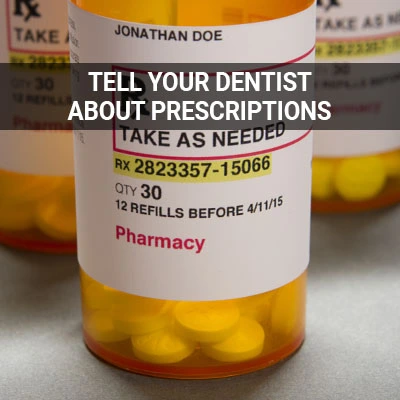
Patients should also tell their dentists about any heart conditions they have, procedures they have undergone, and medications they are taking to best allow the team to plan for any potential emergencies. This is true regardless of any systemic condition a patient may have. We can only provide optimal care if we know the full extent of our patients’ unique medical histories and preexisting conditions. Otherwise, patients may run the risk of further aggravating both their oral and overall health.
“Neglecting one aspect of one’s medical care can easily cause a never-ending cycle of health issues.”
What to Tell Your Dentist About Your Health
Your medical history shapes how we plan cleanings, numbing, extractions, and other treatment. Bring an up-to-date list to your visit, and let us know about any changes since your last appointment, including:
- Diabetes: how well your blood sugar is controlled, since this affects gum health and healing.
- Heart conditions: artificial heart valves, a history of endocarditis, recent heart attack or stroke, and any blood thinners you take.
- Immune conditions and treatments: autoimmune disease, HIV, chemotherapy, radiation to the head or neck, or medications that suppress the immune system.
- Bone medications: drugs for osteoporosis or cancer that affect bone, which your dentist should know about before an extraction or implant.
- Pregnancy: your due date and any pregnancy complications.
With your permission, we can also coordinate with your physician when a condition affects dental care. Regular dental checkups give us a chance to update your history and spot changes in your gums or mouth early. If you take several prescriptions, our article on medications that affect oral health covers common side effects such as dry mouth.
Preexisting Conditions and Insurance
Insurance companies typically define preexisting conditions as those conditions a patient had either been diagnosed with or received treatment for before enrolling in their current health plan. Examples include chronic illnesses, depression, diabetes, epilepsy, lupus, various forms of cancer, and more. Since January 1, 2014, it has been illegal for health insurance companies to refuse to cover or charge individuals more for their preexisting conditions, nor can they limit benefits for such conditions.
These protections apply to health insurance plans covered by the Affordable Care Act. Stand-alone dental plans often work differently and may have waiting periods, annual maximums, or limits on how often certain services are covered, so it helps to review your dental insurance benefits before major treatment. Certain health insurance plans may also be a better fit for certain conditions. Those with chronic or ongoing illnesses, for instance, may benefit from choosing policies that allow more frequent care. Patients benefit from a clear understanding of their medical and dental needs when selecting a plan, and our team can explain what treatment you may need so you can compare your options.
“Patients must have a comprehensive understanding of their medical needs when selecting a health insurance plan.”
Check out what others are saying about our dental services on Yelp: Dental Health and Preexisting Conditions in Redwood City, CA
Treating Oral and General Health Together
Studies have shown that general health and oral health have a two-way relationship, meaning each can affect the other. Some conditions may put patients more at risk for periodontal disease. At the same time, periodontal disease may further aggravate certain conditions. As a result, we look at each patient’s full medical history, not only the teeth. This involves explaining the patient’s oral condition, how it may relate to their general health, and what steps can help keep it under control.
Furthermore, successful treatment must involve sufficient inter-provider communication. This is especially true since primary care providers often do not ask patients about their oral health. With a patient’s permission, we can work together with their medical team to best customize their treatment plan for their unique, individual needs. This allows us to further our patient-centered approach and address any warning signs of disease we may have otherwise missed. It can also assist all involved healthcare professionals in avoiding any potentially aggravating factors.
“General health and oral health have a two-way relationship, meaning each can affect the other.”
Treatments for Those Suffering
Prevention
A basic understanding of the oral-systemic connection is integral in addressing health conditions and their effects on the body. A well-balanced, healthy lifestyle consists of a diet low in sugar and high in fruits and vegetables, cutting out all forms of tobacco, reducing alcohol intake, and brushing teeth twice daily with an optimal amount of fluoride (1000 to 1500 ppm). Fluoride is a naturally-occurring mineral that protects the tooth’s enamel and is crucial for maintaining good oral hygiene.
Treatments
Minor problems, such as small cavities, can often be treated with minimally invasive care that removes the decay and restores the tooth with a filling or crown. More involved procedures, such as periodontal surgery, bone grafting, extractions, and implants, may be needed for advanced gum disease or other serious conditions. In general, the earlier a condition is diagnosed, the simpler and more effective treatment tends to be.
“The earlier a condition is diagnosed, the more effective and successful the treatment is.”
Questions Answered on This Page
Q. What preexisting conditions are linked to oral health?
Q. Are oral conditions primarily habitual or genetic?
Q. How does poor oral health affect the heart?
Q. How does oral health affect the gut and immune system?
Q. How is gum disease linked to general health?
Q. How do cavities relate to teeth sensitivity?
Q. How can a cracked or broken tooth affect other body systems?
Q. How does oral hygiene relate to oral cancers?
Q. How does oral health affect pregnancy?
Q. How do preexisting conditions affect dental care?
Q. How can I find an insurance plan that will cover my preexisting conditions?
Q. What treatments are available for those suffering from oral-systemic conditions?
People Also Ask
Q. What should patients do if they have sensitive teeth?
Q. Am I at high risk for developing oral cancer?
Q. What are some of the common dental conditions that occur during pregnancy?
Frequently Asked Questions
Q. Why does my dentist need to know about conditions that seem unrelated to my teeth?
A. Many conditions, including diabetes, heart disease, and immune disorders, can affect healing, gum health, and infection risk, and some medications affect bleeding or bone. Your full medical history helps your dentist plan safe treatment.
Q. Can treating a preexisting condition improve my oral health?
A. In some cases, yes. Diabetes and gum disease have a two-way relationship, so better blood sugar control can support healthier gums, and the American Academy of Periodontology notes that periodontal treatment can help improve blood sugar levels.
Q. Do I need antibiotics or medical clearance before dental work?
A. Most people do not. The American Heart Association recommends antibiotics before certain dental procedures only for people at the highest risk, such as those with a prosthetic heart valve or a history of endocarditis. Your dentist may also coordinate with your physician after a recent heart attack or stroke, or if you take blood thinners.
Q. Can oral health problems be the first sign of a systemic condition?
A. Sometimes. Dentists may notice changes such as gum disease that is hard to control, slow healing, or unusual sores that point toward an undiagnosed condition, and they can recommend that you follow up with your physician.
Q. What should I bring to my appointment if I have a complex medical history?
A. Bring a current list of medications and supplements, a summary of your diagnosed conditions, and the name of your physician or specialist. This helps your dental team plan care accurately, especially at a first visit or after a new diagnosis.
Q. Can I prevent gum disease?
A. Good daily habits are the first defense. Brush twice a day with fluoride toothpaste, clean between your teeth daily, avoid tobacco, and keep regular checkups, since gum disease often has few symptoms until it has progressed.
Q. Are there any risk factors for gum disease?
A. Smoking, diabetes, poor oral hygiene, certain medications, stress, genetics, and conditions that weaken the immune system can all raise your risk. Grinding or clenching your teeth may also strain the tissues that support them.
Q. What are the causes of gum disease?
A. Gum disease usually begins with a buildup of plaque along the gumline. If plaque is not removed, it can harden into tartar and inflame the gums, a mild stage called gingivitis. Without treatment, gingivitis can progress to periodontitis, which damages the tissue and bone that support the teeth.
Q. What are the early warning signs of dental problems?
A. Common early signs include bleeding or swollen gums, sensitivity to hot or cold, persistent bad breath, a bad taste in the mouth, loose teeth, jaw pain, and sores that do not heal within two weeks. Many problems cause no symptoms at first, which is why regular checkups matter.
Q. Is pregnancy a preexisting condition?
A. Under the Affordable Care Act, health insurance plans cannot refuse coverage or charge more because of pregnancy. Pregnancy can still affect oral health, so let your dental team know if you are pregnant or planning to be.
Q. How is smoking a factor in the oral-systemic connection?
A. Smoking is a major risk factor for gum disease, slows healing after dental treatment, and raises the risk of oral cancer. It is also a shared risk factor for heart disease, which is one reason gum disease and heart disease often appear together.
 Scan here to view this page, Dental Health and Preexisting Conditions, on mobile

Dental Terminology
- Decay
- Tooth decay is when the enamel of the tooth begins to decay and cause erosion from plaque and tartar on the teeth.
- Dentist
- A dentist, also known as a dental surgeon, is a doctor who specializes in the diagnosis, prevention, and treatment of diseases and conditions of the oral cavity.
- Diabetes
- Diabetes refers to a group of diseases that affects how the body produces or responds to the hormone insulin and causes high blood sugar.
- Functional Dentistry
- Functional dentistry involves a strong focus on identifying the root cause of oral health issues and not just treating the symptoms.
- Heart Attack
- A heart attack is when blood flow to the heart becomes blocked and causes the tissues to lose oxygen and die.
- Inflammation
- Inflammation is the redness, swelling, and pain that is a part of the body’s natural response to protect itself from infection, toxins, or injury.
- Oral Hygiene
- Oral hygiene is the practice of maintaining the cleanliness of the mouth, teeth, and gums through brushing, flossing, and regular dental appointments.
- Preventive Dentistry
- Preventive dentistry is the dentistry that focuses on maintaining oral health in order to prevent the spread of plaque, the formation of tartar, and infections in the mouth.
Call Us Today
If you live in the Redwood City area, contact our team to schedule an appointment in our Redwood City office.
Helpful Related Links
- American Dental Association (ADA). Glossary of Dental Clinical Terms. 2023
About our business, license, and website security
- Smile Craft Dental was established in 2019.
- We accept the following payment methods: American Express, Cash, Check, Discover, MasterCard, and Visa
- We serve patients from the following counties: San Mateo County and Santa Clara County
- We serve patients from the following cities: Redwood City, San Carlos, Atherton, Redwood Shores, Menlo Park, Woodside, Palo Alto, East Palo Alto, Belmont, and San Mateo
- Norton Safe Web. View Details
- Trend Micro Site Safety Center. View Details

Back to top of Dental Health and Preexisting Conditions