
Make the Most of Your Dental Implant Consultation
The process to a better smile through dental implants does not have to be stressful and knowing the questions to ask at your initial consultation ensures you can properly prepare for each step of the process. We advise patients to write down any questions they have before coming in for their consultation and encourage them to call with any preliminary questions or concerns they may have prior to their first visit.
An initial consultation for dental implants is the first step in the implant process. The visit typically involves discussing treatment goals, a thorough oral evaluation, and a detailed explanation of treatment expectations. We will need to collect the patient’s medical information including oral treatment history, allergies, medications, family history, and any other relevant information pertaining to their treatment type. The patient will be informed of the paperwork they need to bring to the consultation appointment.
“The visit typically involves discussing treatment goals, a thorough oral evaluation, and a detailed explanation of treatment expectations.”
What to Expect the Day of the Procedure
Preparing for dental implant surgery is one of the primary focuses in the early stages of the implant process. Knowing what questions to ask at your dental implant consultation about the preparation process allows patients to feel more comfortable and relaxed on the day of the procedure.
Where will the placement procedure take place?
Some dentists are capable of carrying out the implant placement surgery, whereas many others may refer the patient to an oral surgery specialist instead. Depending on who performs the operation, the procedure might take place in the dental office or at a specialist’s office. To eliminate surprises, it is important to ask about this information during the consultation.
What is the typical length of the placement procedure?
According to the U.S. Department of Veteran Affairs, the dental implant process can take anywhere from several months to two years from beginning to completion. However, the length of time for the placement procedure varies and depends on a variety of factors (location of the implant, number of implants, etc.). The placement of the implant is completed in one session, and the patient is able to return home on the same day in almost every instance.
“According to the U.S. Department of Veteran Affairs, the dental implant process can take anywhere from several months to two years from beginning to completion.”
Post-Procedure Care and Adjusting to Normal Life
The post-surgery process is the most anxiety-ridden step in the process for many patients as there is likely to be some discomfort, especially the first couple of days. There are certain questions to ask during the consultation visit to learn about recovery and adjusting to normal life.
What should I expect post-procedure?
Be sure to ask about the expectations following implant placement. Mild to moderate discomfort is common after the surgical process of placing an implant into the jawbone. Also, the patient can expect gum swelling, mild bleeding, and increased sensitivity. It is important to follow the aftercare instructions provided by the dentist to ensure a proper recovery.
How quickly can I return to normal life?
Talk to your dentist about how long you should rest before returning to normal activity and a normal diet. Most patients experience swelling and tenderness for up to a week after implant placement, although a full recovery may take much longer.
“The post-surgery process is the most anxiety-ridden step in the process for many patients as there is likely to be some discomfort, especially the first couple of days.”
Check out what others are saying about our dental services on Yelp: Questions to Ask at Your Dental Implants Consultation in Redwood City, CA
Risks Associated with Dental Implants
We encourage patients to play an active role in their own health and safety. It is important to ask questions about the risks associated with any procedure, no matter how safe it may be. There are several health conditions that can complicate dental implant treatment, such as autoimmune diseases, allergies, diabetes, gum disease, osteoporosis, and osteopenia. It may also affect those who take certain medications, those who smoke, and those undergoing chemotherapy or head and neck radiation.
To fully understand your risk factors, we encourage asking questions such as:
- Will any of the medications I take interfere or affect dental implant treatment?
- Will my condition affect the implant procedure?
- What are the most common risks associated with dental implant surgery?
- Can the complications that arise be reversed?
- How safe are dental implants for my current health?
- What are the advantages of undergoing implant treatment for my case?
- Are there any side effects associated with dental implants?
- If I do experience side effects, what should I do?
- What are alternative treatments for those with high risk factors for dental implants?
“It is important to ask questions about the risks associated with any procedure, no matter how safe it may be.”
Questions Answered on This Page
Q. What happens during the consultation appointment?
Q. What can I expect the day of the implant procedure?
Q. What happens after the procedure?
Q. What are the risks associated with dental implant treatment?
Q. What is the importance of follow-up appointments after implant treatment?
People Also Ask
Q. Why does someone need dental restoration?
Q. How should someone prepare for dental implant surgery?
Q. When is bone grafting necessary?
Q. How does age affect your options when it comes to replacing missing teeth?
Q. How can I prepare for my first implant procedure?
Post-Treatment Care and Recovery
Dental implant procedures require follow-up visits to ensure complications do not develop after placement. It is helpful to ask about the expected follow-up visits to properly clear your schedule in advance and ensure you are available for routine check-ups. The consultation appointment typically involves a treatment plan that consists of both the treatment itself and subsequent follow-ups thereafter.
Follow-up visits are crucial for recovery as they allow both the patient and Smile Craft Dental to monitor progress, address any concerns, and make adjustments as needed. It is also important for the stability and durability of the implants themselves. Follow-up visits may be required monthly, but once the patient has successfully healed, the implants may be checked every six months during their biannual dental checkup. As each case varies, we will schedule follow-ups accordingly.
It may also be advisable to ask questions about the recovery period and what it would entail as each patient’s treatment varies. There may be individualized instructions for the patient along with general instructions for post-treatment care. You may come up with questions about the recovery period as Smile Craft Dental discusses these instructions, but we encourage patients to come up with a few prior to treatment, especially questions regarding their own personal lifestyle habits.
“Follow-up visits are crucial for recovery as they allow both the patient and Smile Craft Dental to monitor progress, address any concerns, and make adjustments as needed.”
Frequently Asked Questions About Dental Implant Consultations
Q. What qualifications should I look for at my dental implant consultation?
A. According to the American Association of Oral and Maxillofacial Surgeons, implant success rates are higher when performed by a dental specialist (as opposed to a general surgeon). Therefore, an experienced dentist with quality reviews from previous dental implant clients is ideal, along with having the necessary education and license to practice. Also, patients should consider how the dentist presents himself and the trust established during the consultation.
Q. What takes place during the dental implant consultation?
A. Every patient is unique, but most consultations include a discussion of the patient’s treatment goals (more attractive smile, better oral health, etc.), a thorough oral inspection, and additional information about the process.
Q. How long does a dental implant consultation last?
A. A dental implant consultation typically takes less than a few hours, and the dentist most often does not perform any procedures other than dental X-rays during the visit. One of the main purposes is to help the patient decide upon the appropriate form of teeth replacement.
Q. What happens after the initial consultation for dental implants?
A. If the patient and dentist agree to move forward, mouth preparations such as bone grafting or periodontal disease treatment might be necessary. Once the mouth is ready, a day and time are scheduled for the placement of the implant.
Q. What risks are associated with the procedure?
A. According to WebMD, dental implants have a success rate of up to 98%. Most patients do not experience complications, but implant failure is a possibility either shortly after placement or months later, which results in the need for dental implant restoration. Other associated risks include oral infection, damage to an adjacent tooth, or nerve damage, although these complications are rare.
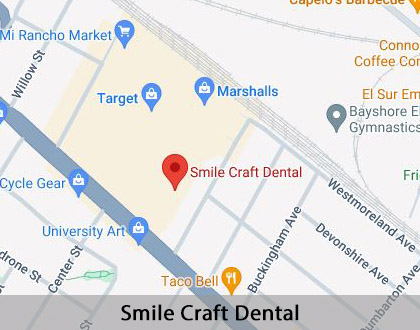

Scan here to view this page, Questions to Ask at Your Dental Implants Consultation, on mobile
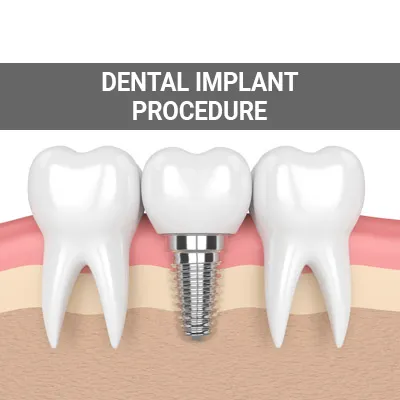
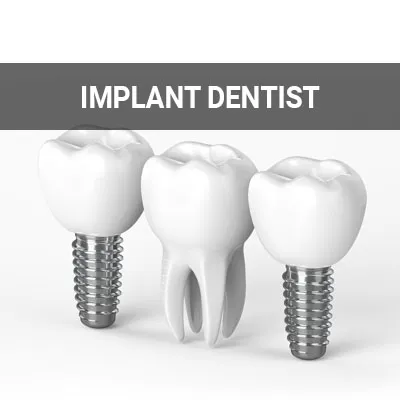
Dental Implant Terminology
- Dental Crown
- A crown is an artificial tooth, usually consisting of porcelain, which covers the top of the implant to provide people with an aesthetically pleasing and fully-functional tooth.
- Endosteal (endosseous)
- Endosteal is a type of dental implant that a professional places in the alveolar and basal bone of the mandible that transcends only one cortical plate.
- Implant-Supported Bridge
- An implant-supported bridge is a dental bridge that professionals fix in place with the use of dental implants inserted in the jaw to create a sturdy set of artificial teeth.
Call Us Today
We enjoy helping patients achieve a more attractive smile through dental implants, and we do all we can to ease anxiety and answer all questions during the consultation. You can reach our team via phone for more information or to schedule a time for your first visit. Call us at (650) 880-1550 to start your smile treatment.
Helpful Related Links
- American Academy of Implant Dentistry (AAID). What Are Dental Prosthetic Implants.
2023 - American Academy of Periodontology (AAP). Implants Defined.
2023 - American Dental Association (ADA). Glossary of Dental Clinical Terms. 2023
- American Academy of Cosmetic Dentistry® (AACD). Home Page.
2023 - WebMD. WebMD’s Oral Care Guide. 2023
About our business, license, and website security
- Smile Craft Dental was established in 2019.
- We accept the following payment methods: American Express, Cash, Check, Discover, MasterCard, and Visa
- We serve patients from the following counties: San Mateo County and Santa Clara County
- We serve patients from the following cities: Redwood City, San Carlos, Atherton, Redwood Shores, Menlo Park, Woodside, Palo Alto, East Palo Alto, Belmont, and San Mateo
- Norton Safe Web. View Details
- Trend Micro Site Safety Center. View Details

Scan here to open directions to Smile Craft Dental on mobile
Back to top of Questions to Ask at Your Dental Implants Consultation
QR code for Questions to Ask at Your Dental Implants Consultation