The Foundation of a Healthy Smile
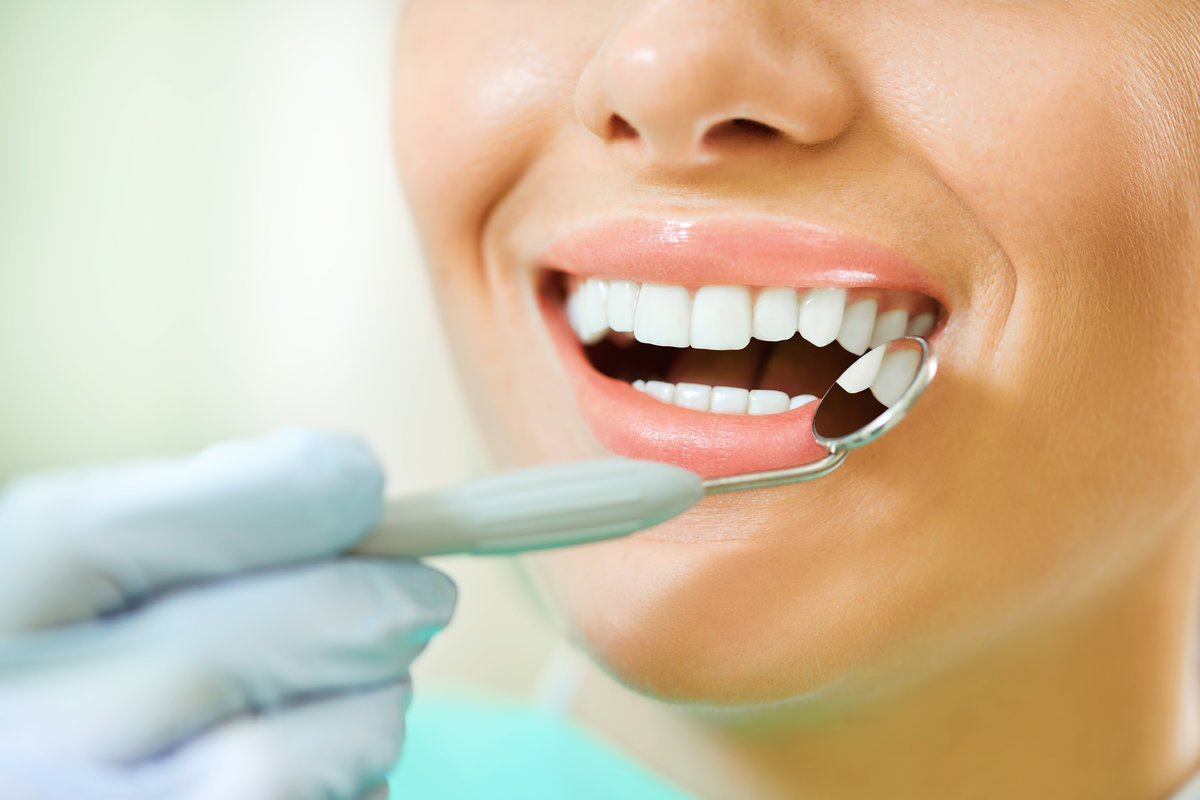
Good oral hygiene begins at home, and the fundamentals are simpler than many people expect. Brushing for two full minutes, twice a day, using a soft-bristled toothbrush and fluoride toothpaste sets the baseline. The angle of brushing matters, too. Holding the brush at a 45-degree angle toward the gumline allows for more effective plaque removal along the area where teeth meet gum tissue.
Flossing daily is equally essential, yet it remains one of the most skipped steps in oral hygiene routines. According to the Centers for Disease Control and Prevention, only about a third of adults report flossing daily, leaving the majority of people at elevated risk for gum disease and decay between their teeth. A toothbrush simply cannot reach the tight spaces in between teeth, meaning interdental plaque can accumulate undetected for months at a time. Our team is happy to demonstrate proper flossing technique during your visit as it makes a real difference in your oral health.
“Holding the brush at a 45-degree angle toward the gumline allows for more effective plaque removal along the area where teeth meet gum tissue.”
How Nutrition and Hydration Affect Your Teeth
Oral hygiene doesn’t stop at the bathroom sink. What you eat and drink plays a direct role in the health of your teeth and gums. Sugary and acidic foods and beverages feed the bacteria responsible for plaque formation, leading to enamel erosion and decay over time. Staying well-hydrated with water, particularly fluoridated water, helps rinse away food particles and supports healthy saliva production.
Saliva is the body’s natural defense against harmful oral bacteria. It neutralizes acids, remineralizes enamel, and keeps the mouth environment balanced. When saliva production is low, a condition called dry mouth, which can result from certain medications, medical conditions, or breathing through the mouth, the risk of cavities increases significantly. Our team can help identify whether dry mouth may be affecting your oral health and recommend appropriate solutions.
“Saliva is the body’s natural defense against harmful oral bacteria — it neutralizes acids, remineralizes enamel, and keeps the mouth environment balanced.”
The Importance of Professional Dental Cleanings
Even the most disciplined at-home routine has its limits. Plaque that isn’t fully removed by brushing and flossing hardens into tartar, a calcified buildup that can only be removed with professional tools. Once tartar forms, it creates an environment where bacteria thrive, which contributes directly to gum inflammation and, over time, gum disease.
Scheduling dental cleanings in Sunnyvale at least twice per year allows our hygienists to clear tartar buildup, polish teeth, and examine gum tissue for early signs of problems. These visits also create an opportunity for early intervention, where we can catch a small cavity or minor gum issue before it becomes something more significant. Paired with a routine dental checkup, professional cleanings form the backbone of long-term oral health.
“Even the most disciplined at-home routine has its limits — plaque that isn’t fully removed hardens into tartar that can only be removed with professional tools.”
Check out what others are saying about our dental services on Yelp: Smile Craft Dental in Sunnyvale, CA
Gum Health and What to Watch For
Gum disease is one of the most common oral health conditions, yet it often goes unnoticed in its early stages because it typically causes little to no pain at first. Warning signs include red or swollen gums, bleeding when brushing or flossing, persistent bad breath, and gums that appear to be pulling away from the teeth.
Gingivitis, the earliest stage of gum disease, is fully reversible with improved hygiene and professional treatment. Left unaddressed, it can progress to periodontitis, which involves deeper infection and potential bone loss. Our periodontics team in Sunnyvale is equipped to evaluate gum health thoroughly and provide personalized guidance. Understanding the basics of oral hygiene goes a long way toward preventing gum disease before it has a chance to take hold.
“Gingivitis, the earliest stage of gum disease, is fully reversible with improved hygiene and professional treatment.”
Questions Answered on This Page
Q. What is the foundation of a healthy smile?
Q. How does nutrition and hydration affect your teeth?
Q. Why are professional dental cleanings important?
Q. What are the signs of gum health issues to watch for?
Q. How do oral hygiene needs change across different life stages?
People Also Ask
Q. What does the dentist look for in a dental examination?
Q. Who is the right patient for a dental restoration?
Q. What additional treatments are available at a general dentist?
Q. When is tooth extraction necessary?
Dental Hygiene Across Every Stage of Life
Oral hygiene needs evolve as patients grow. For young children, establishing brushing habits early sets the tone for a lifetime of good dental health. With teenagers and adults, the focus often shifts to maintaining consistency and addressing the habits that tend to slip, like skipping flossing when tired or avoiding the dentist due to anxiety. As for older adults, staying ahead of gum recession, dry mouth, and wear becomes increasingly important.
At Smile Craft Dental, we treat patients across all age groups, and we adapt our hygiene education accordingly. Our Spanish-speaking staff is also available to ensure every patient, regardless of language preference, can access the information they need to confidently care for their smile.
“For young children, establishing brushing habits early sets the tone for a lifetime of good dental health.”
| Learn how to keep your smile healthy — book your next visit at Smile Craft Dental Sunnyvale. | Request an Appointment |
Frequently Asked Questions About Dental Hygiene Education
How often should I brush my teeth?
A. You should brush your teeth for two full minutes, twice a day, using a soft-bristled toothbrush and fluoride toothpaste. Brushing at a 45-degree angle toward the gumline helps remove plaque more effectively. Our team can demonstrate proper technique during your visit to ensure you are getting the most out of your at-home routine.
Do I really need to floss every day?
A. Yes. Flossing daily is essential because a toothbrush cannot reach the tight spaces between teeth where plaque accumulates. When left in place, that interdental plaque can contribute to gum disease and cavities. Our hygienists are happy to demonstrate effective flossing technique during your visit.
How does my diet affect my oral health?
A. Sugary and acidic foods and beverages feed the bacteria responsible for plaque formation, which leads to enamel erosion and decay over time. Staying well-hydrated with water, particularly fluoridated water, helps rinse away food particles and supports healthy saliva production. Our team can provide personalized dietary guidance as part of your hygiene education.
How often should I schedule professional dental cleanings?
A. Most patients benefit from professional cleanings at least twice per year. These visits allow our hygienists to remove tartar buildup that at-home brushing and flossing cannot address, polish the teeth, and examine gum tissue for early signs of problems. Patients with gum disease or other risk factors may need more frequent visits.
What are the early signs of gum disease I should watch for?
A. Early warning signs of gum disease include red or swollen gums, bleeding when brushing or flossing, persistent bad breath, and gums that appear to be pulling away from the teeth. Gingivitis, the earliest stage, is fully reversible with improved hygiene and professional treatment. If you notice any of these signs, contact our office to schedule an evaluation promptly.
How do I get started with dental hygiene education at Smile Craft Dental?
A. Simply contact our Sunnyvale office to schedule an appointment. Our team will review your current oral hygiene habits, identify areas for improvement, and provide personalized guidance to help you build a stronger routine. We accept most major insurance plans and are committed to making quality dental care accessible to every patient.
Schedule a Dental Hygiene Appointment at Smile Craft Dental in Sunnyvale, CA
Smile Craft Dental is proud to serve patients throughout the Sunnyvale community with top-of-the-line technology, a warm and welcoming office environment, and a team that genuinely listens. Dr. Janice Chou, a Bay Area native and graduate of the University of the Pacific Arthur A. Dugoni School of Dentistry, brings advanced clinical training and a commitment to continuing education to every patient interaction. Together with Dr. Brendon Nguyen and our experienced hygiene team, we are dedicated to helping you build the knowledge and habits needed to maintain a healthy, lasting smile. Learn more about our team.
 Scan here to view this page, Dental Hygiene Education, on mobile

Dental Terminology
TartarTartar, also called calculus, is hardened plaque that has mineralized on the tooth surface. Unlike plaque, tartar cannot be removed by brushing or flossing and requires professional dental tools to eliminate. Its presence creates an environment where bacteria thrive and gum inflammation develops.
GingivitisGingivitis is the earliest and most reversible stage of gum disease, characterized by inflammation, redness, and bleeding of the gum tissue. It is typically caused by plaque accumulation and can be resolved with improved oral hygiene and professional cleanings.
FluorideFluoride is a naturally occurring mineral that strengthens tooth enamel and helps reverse early signs of tooth decay. It is commonly found in toothpaste, drinking water, and professional dental treatments, making it one of the most effective tools in cavity prevention.
Dry Mouth (Xerostomia)Dry mouth is a condition in which the salivary glands do not produce enough saliva to keep the mouth adequately moist. Because saliva plays a key role in neutralizing acids and rinsing away bacteria, reduced saliva production significantly increases the risk of cavities and gum disease.
Dental HygienistA dental hygienist is a licensed oral health professional who specializes in preventive dental care, including professional cleanings, patient education, and the early identification of oral health concerns. Hygienists work alongside dentists to support long-term oral health.
EnamelEnamel is the hard, protective outer layer of a tooth. It is the strongest substance in the human body but can be gradually eroded by acidic foods, sugary beverages, and bacterial activity. Once enamel is lost, it cannot regenerate, making its preservation a central goal of good oral hygiene.
Schedule Your Dental Hygiene Appointment at Smile Craft Dental
Whether you’re looking to sharpen your at-home technique, schedule a professional cleaning, or simply better understand what your oral health routine should look like, we’re here to help. Contact our office to schedule your next appointment and experience the difference that personalized, patient-centered dental care can make. Call us at (650) 880-1550.
Helpful Related Links
- Centers for Disease Control and Prevention (CDC). Adult Oral Health. 2024
- American Dental Association (ADA). Glossary of Dental Clinical Terms. 2024
- American Academy of Cosmetic Dentistry® (AACD). Home Page.
2024 - WebMD. WebMD’s Oral Care Guide. 2024
About our business, license, and website security
- Smile Craft Dental was established in 2019.
- We accept the following payment methods: American Express, Cash, Check, Discover, MasterCard, and Visa
- We serve patients from the following counties: San Mateo County and Santa Clara County
- We serve patients from the following cities: Sunnyvale, Santa Clara, Mountain View, Cupertino, San Jose, Campbell, Los Altos, Milpitas, and Saratoga
- Norton Safe Web. View Details
- Trend Micro Site Safety Center. View Details
 Scan here to open directions to Smile Craft Dental on mobile
Back to top of Dental Hygiene Education in Sunnyvale, CA