
A missing tooth changes more than a smile. It shifts how you chew, how you speak, and how confident you feel every time you catch your reflection. If you are wondering how long it takes to fix that gap for good, the process generally unfolds over several months, with most of that time dedicated to natural healing rather than active treatment.
Smile Craft Dental walks patients in Redwood City and Sunnyvale through every stage of that process with clear communication and steady support. Dr. Janice Chou and Dr. Brendon Nguyen use advanced technology to plan each tooth replacement option around your specific needs, so you always know what comes next and why.
What Happens During the Initial Consultation?
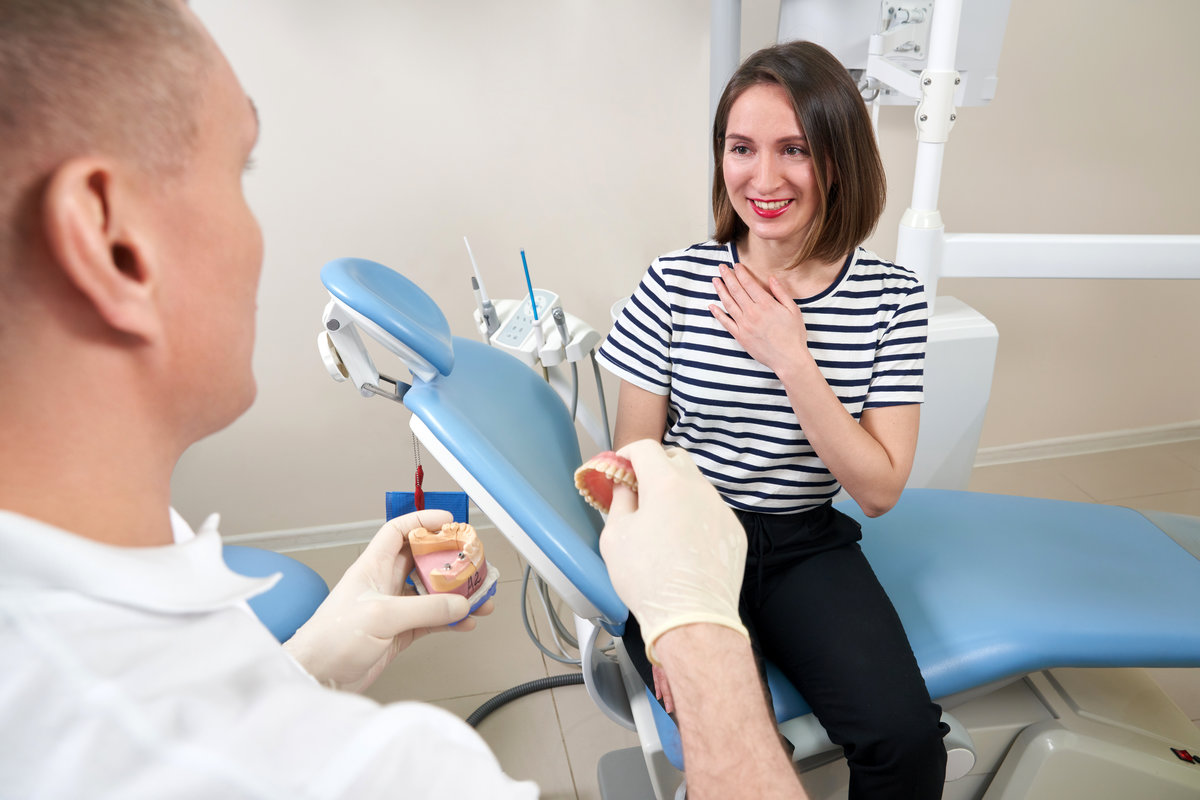
The first step in getting a dental implant is a thorough consultation. We examine your jawbone density, gum health, and overall oral condition using detailed imaging to determine if you are a good candidate for single tooth implants. This step matters because every mouth heals differently, and the plan we build around your specific anatomy shapes how smoothly the rest of the process goes.
Building Your Personalized Plan
This visit also gives us the chance to talk through your goals and any concerns you may have. Some patients need a bone graft before implant placement can begin, which can extend the overall timeline. Others are ready to move forward right away, and we build a personalized plan around whichever situation applies to you.
Jawbone health plays a bigger role in these timelines than many patients realize, since research from the National Institute of Dental and Craniofacial Research shows adults between 20 and 64 years old retain an average of 25.5 permanent teeth, with tooth loss becoming more common as people age. Knowing where you stand before treatment begins helps us set expectations that actually fit your situation, rather than a generic timeline that may not apply to you.
How Long Does Implant Placement and Healing Take?
Once your plan is set, the next phase is the surgical placement of the titanium implant post into the jawbone. The length and specifics of this appointment can vary depending on the location of the implant, the number of teeth being replaced, and the overall complexity of your case.
What Happens During Osseointegration
After placement, your body needs time to fuse the implant with the surrounding bone in a process called osseointegration. This healing phase forms the foundation that allows your new tooth to function like a natural one. During this window, we monitor your progress with follow-up visits and provide guidance on postoperative care to support a smooth recovery.
A stable, well-integrated implant is far more likely to hold up well over time with proper care, which is part of why we prioritize thorough healing over rushing to the final restoration. Skipping ahead too quickly can compromise how well the implant performs for years to come, so we pace this stage around what your body needs rather than a fixed calendar.
What Are the Final Steps Before the Crown Is Placed?
Once osseointegration is complete, we attach a small connector piece called an abutment to the implant, and the surrounding gum tissue needs some time to heal around it. After the gums have settled, we take precise impressions to design your custom crown, crafted to match the color, shape, and size of your surrounding teeth so it blends naturally into your smile.
Some patients also ask how implants compare to mini implants at this stage, particularly if they are replacing more than one tooth or working with a narrower jawbone. We are happy to walk through which option makes the most sense before the crown is placed, so you feel confident in the choice.
What Factors Can Extend the Implant Timeline?
Several variables can influence how quickly you move from consultation to a finished restoration. Understanding these factors ahead of time helps set realistic expectations for your treatment plan.
- Bone Density: Insufficient jawbone volume may require a bone graft before implant placement can move forward
- Tooth Extraction: If a damaged tooth needs removal first, the extraction site needs time to heal before the next step
- Overall Health: Conditions like uncontrolled diabetes or smoking can slow healing and affect how osseointegration progresses
- Number of Implants: Replacing several teeth at once may require a more involved planning and placement process than a single implant
Every patient heals differently, and we adjust your timeline based on how your body responds at each stage rather than rushing toward a predetermined date.
Start Your Dental Implant Process With Smile Craft Dental
Every stage of the dental implant process, from your first consultation through the final crown placement, is designed to move at a pace that fits your needs rather than a fixed schedule. Dr. Chou brings a background from the University of the Pacific Arthur A. Dugoni School of Dentistry to every case she plans, and Dr. Nguyen brings the same steady, patient-first approach shaped by years of community dental outreach across the Bay Area.
If you are ready to explore whether dental implants are the right fit for your smile, reach out through our contact form to schedule a consultation at our Redwood City or Sunnyvale office, where our Spanish-speaking staff is available to support you. We look forward to helping you take the next step toward a fuller, more confident smile.