When Should My Child Have an Orthodontic Evaluation?
The American Association of Orthodontists recommends that children receive their first orthodontic evaluation no later than age 7. By this age, a child has enough permanent teeth emerging alongside remaining baby teeth for a trained eye to detect developing concerns with jaw growth, spacing, and bite alignment. Our pediatric dental team screens for these issues as part of routine care, and we can refer or coordinate evaluations so nothing falls through the cracks.
Waiting until all permanent teeth have erupted can make some corrections more difficult and, in certain cases, less effective. The window during which the jaw is still growing offers treatment possibilities that simply are not available later in life. A timely evaluation does not commit a child to braces, it gives us the chance to monitor development and intervene only if and when it will produce the best outcome.
“A timely evaluation does not commit a child to braces, it gives us the chance to monitor development and intervene only if and when it will produce the best outcome.”
What Happens During the Evaluation?
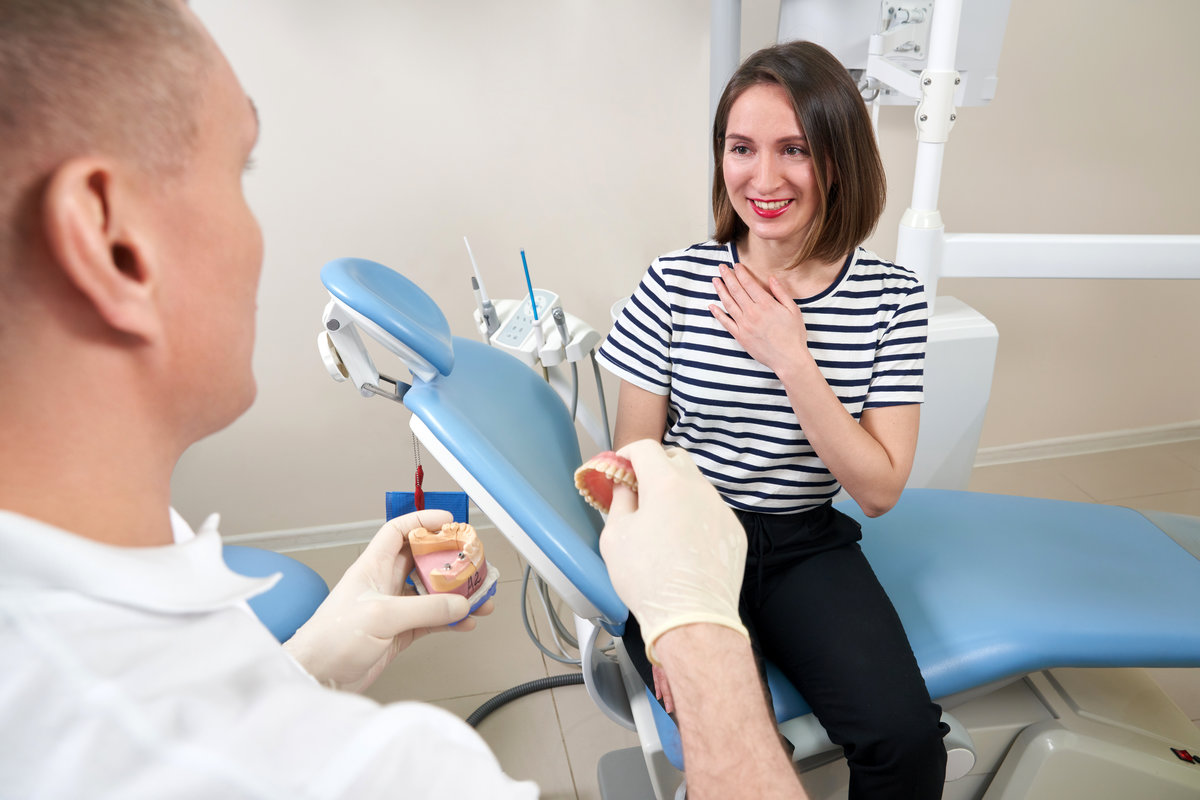
During a pediatric orthodontic evaluation, we examine the teeth, jaws, and bite carefully. We may use panoramic X-rays to see what is happening below the gumline, including teeth that have not yet erupted, crowding that is not yet visible, and any structural concerns affecting the jaw. We then walk parents through our findings and explain clearly what, if anything, we recommend going forward.
The outcome of an evaluation falls into one of three categories: no treatment expected to be needed, a monitoring plan to track development over time, or a recommendation for early intervention. Each path is discussed openly so parents can make confident, informed decisions for their child.
What Issues Can an
| Early orthodontic evaluation can prevent bigger problems later — book your child’s appointment today. | Request an Appointment |
Early Evaluation Detect?
Orthodontic concerns that are identified early are often far simpler to address than those caught later. Some orthodontic problems may be easier to correct when detected and treated early, because waiting until all permanent teeth have come in, or until facial growth is nearly complete, can make certain corrections more difficult. Our evaluations are designed to identify a range of developing concerns, including:
- Crowding: not enough space for permanent teeth to erupt in proper alignment, which can worsen as more adult teeth come in.
- Crossbites: when upper and lower teeth do not align correctly side-to-side, which can affect jaw development and facial symmetry over time.
- Underbites and overbites: mismatches between upper and lower jaw position that are more effectively corrected during active growth phases.
- Spacing issues: excessive gaps between teeth that may signal missing teeth or growth irregularities.
- Habits affecting development: prolonged thumb-sucking or tongue-thrusting patterns that can reshape the jaw and alter how teeth come in.
Early identification of these concerns means we can create a plan that takes advantage of your child’s natural growth rather than working against it.
“We can create a plan that takes advantage of your child’s natural growth rather than working against it.”
What Is Early Orthodontic Treatment?
When an evaluation does reveal a concern, our team may recommend early orthodontic treatment, also called Phase 1 treatment, which typically takes place between the ages of seven and ten. The goal of this phase is not to complete orthodontic treatment but to intercept problems that would become more complex with time. This might involve a palatal expander to widen a narrow jaw, partial braces to address specific alignment issues, or a retainer to guide tooth positioning.
Early treatment, when appropriate, can reduce the complexity and duration of any orthodontic work needed in adolescence. In some cases, it eliminates the need for more involved treatment altogether. We take a conservative approach, recommending Phase 1 treatment only when it provides a clear, meaningful benefit for the child’s long-term development.
What Comes After Phase 1?
After completing early treatment, most children enter a monitoring phase before any additional orthodontic work begins. We continue to track jaw development and tooth eruption during this time. When all permanent teeth are in and the child is developmentally ready, we can discuss Phase 2 options, which may include Invisalign or clear braces to achieve final alignment. Having completed early treatment means this phase often proceeds more predictably and with fewer complications.
“Having completed early treatment means this phase often proceeds more predictably and with fewer complications.”
| Is your child ready for an orthodontic evaluation? Request an appointment today. | Request an Appointment |
Schedule a Pediatric Orthodontic Evaluation at Smile Craft Dental
The earlier we can assess your child’s orthodontic development, the more options we have available to support a healthy, lasting smile. At Smile Craft Dental in Redwood City, we combine thorough clinical evaluation with a patient-centered approach that puts families at ease from the very first visit. Our Spanish-speaking staff and welcoming team make it easy for families throughout the Redwood City area to access the care their children need.
If your child is around age seven or older and has not yet had an orthodontic evaluation, now is the right time to schedule one. Contact our team to book your child’s evaluation with Dr. Janice Chou or Dr. Brendon Nguyen today.