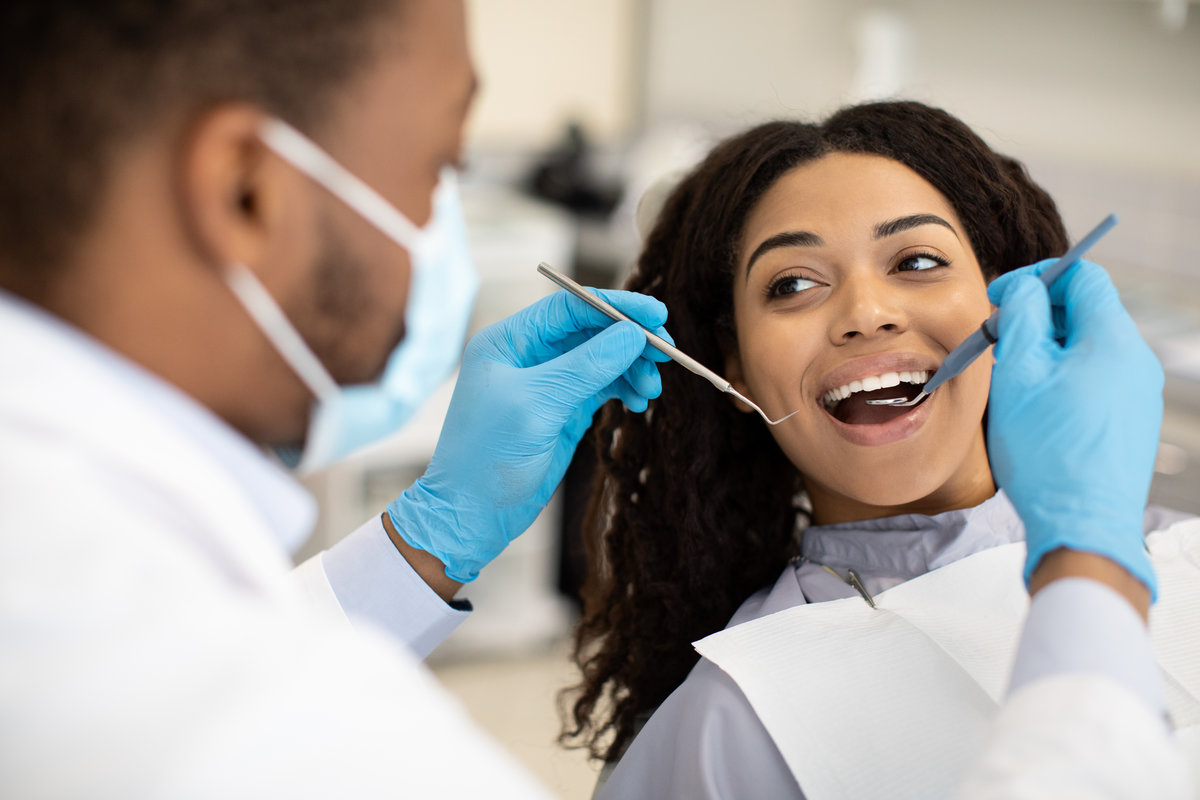
How Lingual Braces Work
Lingual braces function using the same proven principles as traditional braces, but with one key difference: they attach to the back of your teeth instead of the front. Custom-made brackets bond to the tongue side of your teeth, remaining completely invisible during normal conversation, smiling, and professional interactions. The orthodontist threads specialized wires through these brackets and gradually adjusts the tension to guide your teeth into their ideal positions.
This placement allows for precise control over tooth movement while maintaining the aesthetic advantage of invisible treatment. Each lingual braces system is fully customized to fit the unique contours of your teeth, ensuring maximum effectiveness and comfort throughout your orthodontic journey.
“Custom-made brackets bond to the tongue side of your teeth, remaining completely invisible.”
Benefits of Choosing Lingual Braces
Patients who select lingual braces enjoy several distinct advantages during their treatment. The completely hidden design means no one will know you’re wearing braces unless you tell them, which proves especially valuable for professionals who regularly attend meetings, presentations, or client-facing events. Research published by the National Institutes of Health demonstrates that lingual orthodontic appliances can efficiently address any orthodontic scenario that traditional braces can, with fully customized systems delivering excellent treatment outcomes.
Unlike removable aligners, lingual braces work continuously without requiring you to remember to wear them, and they eliminate the temptation to remove your appliances during important events. The custom fit ensures each bracket fits your tooth shape precisely, improving comfort and treatment efficiency compared to one-size-fits-all alternatives.
Treatment Considerations
Understanding what to expect helps you prepare for successful lingual braces treatment. Initial adjustment periods typically last one to two weeks as your tongue adapts to the brackets positioned behind your teeth. Some patients experience temporary changes in speech patterns during this adaptation phase, though most find these resolve quickly with practice. Maintaining excellent oral hygiene requires extra attention because the brackets sit where your tongue naturally rests, making thorough cleaning essential to prevent decay or gum inflammation.
Regular adjustment appointments allow your orthodontist to monitor progress and make necessary modifications to the wires. Treatment duration generally ranges from 18 to 36 months, depending on the complexity of your case, similar to the timelines for traditional braces.
“No one will know you’re wearing braces unless you tell them.”
Ideal Candidates for Lingual Braces
Lingual braces work well for many patients seeking discreet orthodontic correction. Adults and teens who want straight teeth without visible metal brackets often find lingual braces perfectly suit their lifestyle needs. Professionals in customer-facing roles, public speakers, performers, and anyone who values aesthetic discretion during treatment typically appreciate the invisible nature of lingual appliances. These braces effectively correct crowding, spacing issues, overbites, underbites, and crossbites with the same precision as traditional orthodontics.
However, patients with severely compromised oral health, extremely short tooth crowns, or significant bite discrepancies may need alternative treatment approaches. A thorough consultation with an experienced orthodontist determines whether lingual braces represent the best option for your specific dental needs and goals.
“Professionals in customer-facing roles, public speakers, performers value aesthetic discretion.”
Check out what others are saying about our dental services on Yelp: Smile Craft Dental in Redwood City, CA
Lingual Braces Versus Other Orthodontic Options
Comparing lingual braces with alternative treatments helps you make an informed decision about your orthodontic care. Traditional metal braces attach to the front of teeth and remain highly visible throughout treatment, though they often cost less than lingual systems. Clear aligners offer removable convenience and near-invisible aesthetics but require strict compliance and may not address complex bite problems as effectively. Ceramic braces use tooth-colored brackets on the front of teeth for reduced visibility, but still remain somewhat noticeable up close.
Lingual braces offer the most discreet option while delivering the effectiveness of a fixed appliance, making them worth considering for patients who prioritize both results and aesthetics. The investment in lingual treatment reflects the customization required and the specialized training orthodontists need to place and adjust these sophisticated appliances. Many patients find cosmetic dentistry treatments in Sunnyvale complement their orthodontic results, creating comprehensive smile transformations.
“Lingual braces offer the most discreet option while delivering effectiveness of a fixed appliance.”
Questions Answered on This Page
Q. How do lingual braces work?
Q. What are the benefits of choosing lingual braces?
Q. Who are ideal candidates for lingual braces?
Q. How do lingual braces compare to other orthodontic options?
People Also Ask
Q. What are some cosmetic dentistry treatment options?
Q. Who can get their teeth whitened at the dentist?
Q. What restorative methods can help patients improve their smiles?
Q. How should people take care of their teeth after a smile makeover?
Q. What is the difference between clear aligners and traditional braces?
Frequently Asked Questions About Lingual Braces
Q. Are lingual braces completely invisible?
A. Yes, lingual braces attach to the back of your teeth instead of the front, remaining completely invisible during normal conversation, smiling, and professional interactions. The completely hidden design means no one will know you’re wearing braces unless you tell them.
Q. Do lingual braces affect speech?
A. Some patients experience temporary changes in speech patterns during the initial adjustment period, which typically lasts one to two weeks as your tongue adapts to the brackets positioned behind your teeth. Most find these resolve quickly with practice.
Q. How long does treatment with lingual braces take?
A. Treatment duration generally ranges from 18 to 36 months, depending on the complexity of your case, similar to the timelines for traditional braces. The exact duration depends on your specific orthodontic needs and treatment goals.
Q. Are lingual braces more expensive than traditional braces?
A. Yes, lingual braces typically cost more than traditional metal braces. The investment reflects the customization required and the specialized training orthodontists need to place and adjust these sophisticated appliances. We accept most major insurance plans (except Delta Dental) and offer flexible payment options.
Q. Can lingual braces treat complex orthodontic cases?
A. Yes, research demonstrates that lingual orthodontic appliances can efficiently address any orthodontic scenario that traditional braces can, including crowding, spacing issues, overbites, underbites, and crossbites. These braces effectively correct issues with the same precision as traditional orthodontics.
Q. Who is a good candidate for lingual braces?
A. Adults and teens who want straight teeth without visible metal brackets often find lingual braces suit their needs. Professionals in customer-facing roles, public speakers, performers, and anyone who values aesthetic discretion during treatment typically appreciate the invisible nature of lingual appliances. A thorough consultation determines if they’re right for you.
Experience Discreet Orthodontics at Smile Craft Dental
Smile Craft Dental brings advanced orthodontic solutions to Sunnyvale patients who refuse to compromise between effectiveness and aesthetics. Our practice prioritizes continuing education and stays current with the latest dental advancements, ensuring you receive treatment using proven techniques and modern technology. Dr. Nguyen and our highly trained team take time to listen to your concerns, understand your goals, and create personalized treatment plans that fit your lifestyle.
 Scan here to view this page on mobile


Invisalign® Terminology
ClinCheck® SoftwareClinCheck® software allows professionals to map out the straightening process the patient’s teeth will go through with Invisalign® in great detail.
Incisal RidgesIncisal ridges are the portion of the crown of the tooth that makes up the incisal portion and can be a direct cause of overbite if they are extended too far.
MalocclusionMalocclusion is the condition in which the upper and lower teeth do not meet properly when the bite is closed. Conditions of malocclusion can include overbite, underbite, crossbite and open bite; all of which are treatable with Invisalign®.
Polyurethane ResinPolyurethane Resin is a USP Class VI medical grade, high molecular weight compound that makes up the Invisalign® aligners.
Smart Track® MaterialSmart Track® material is in Invisalign® aligners to increase comfort, improve control of movement, increases the speed of treatment and applies a gentle force to the teeth over time.
Discover How Invisible Braces Can Transform Your Smile
Our beautiful office and Spanish-speaking staff provides a comfortable environment where patients feel relaxed and confident throughout their orthodontic journey. Whether you choose lingual braces or another treatment option, we accept most major insurance plans, except Delta Dental, and offer flexible payment options to make your care more accessible. Schedule your consultation today to discover how invisible braces can give you the smile you’ve always wanted without anyone knowing you’re in treatment. Call us at (650) 880-1550.
Helpful Related Links
- National Library of Medicine. Lingual Orthodontic Appliances. 2024
- American Dental Association (ADA). Glossary of Dental Clinical Terms. 2024
- American Academy of Cosmetic Dentistry® (AACD). Home Page.
2024 - WebMD. WebMD’s Oral Care Guide. 2024
About our business, license, and website security
- Smile Craft Dental was established in 2019.
- We accept the following payment methods: American Express, Cash, Check, Discover, MasterCard, and Visa
- We serve patients from the following counties: San Mateo County and Santa Clara County
- We serve patients from the following cities: Redwood City, San Carlos, Atherton, Redwood Shores, Menlo Park, Woodside, Palo Alto, East Palo Alto, Belmont, and San Mateo
- Norton Safe Web. View Details
- Trend Micro Site Safety Center. View Details

Back to top of Lingual Braces in Sunnyvale, CA