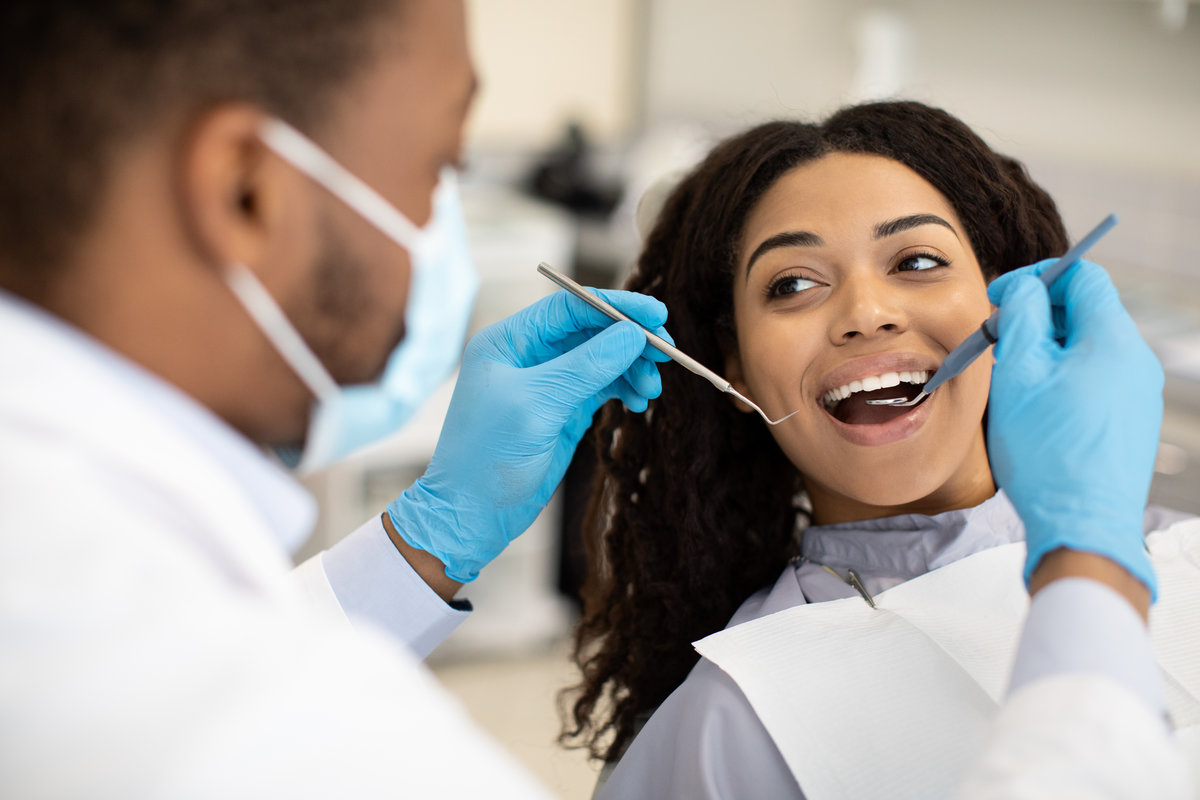
Understanding Bone Grafting
Restorative dentistry encompasses various procedures designed to rebuild and restore your smile, with bone grafting serving as a foundational treatment for many advanced restorations. Bone grafting is a surgical procedure that restores lost or insufficient bone in your jaw. The process involves placing bone graft material into areas where bone has deteriorated or never fully developed, providing a scaffold for your body to build new, healthy bone tissue. This regenerative treatment has become an essential component of modern implant dentistry, allowing patients who previously weren’t candidates for implants to successfully receive these permanent tooth replacements.
The bone grafting procedure typically takes place in our comfortable office setting and can often be performed with sedation dentistry options to ensure your complete comfort. During the procedure, we carefully prepare the treatment site and place the graft material where bone volume needs to be restored. The graft acts as a framework, encouraging your natural bone to grow and integrate with the material over several months. According to research published by the National Institutes of Health, implant therapy combined with bone grafting procedures demonstrates high long-term success rates when proper surgical techniques and graft material selection are employed.
“The graft acts as a framework, encouraging your natural bone to grow.”
Types of Bone Graft Materials
Several types of bone graft materials are available, each with distinct characteristics and benefits. Autografts use bone harvested from your own body, typically from another area of your jaw or chin. This approach offers excellent biocompatibility since the bone comes from your own body. Allografts are processed bones from human donors that have been thoroughly sterilized and prepared for safe use. Xenografts are derived from animal sources, usually bovine, and are processed to remove organic components while preserving the bone’s natural mineral structure.
Synthetic bone substitutes represent another category of graft materials, created from biocompatible substances that mimic natural bone properties. The choice of material depends on several factors, including the extent of bone loss, the location of the treatment area, and your specific health considerations.
Our team at Smile Craft Dental carefully evaluates these factors to recommend the most appropriate material for your situation, taking into account both clinical requirements and your personal preferences.
“Several types of bone graft materials are available, each with distinct characteristics.”
The Healing Process and Timeline
Following your bone grafting procedure, patience becomes your greatest ally. The healing process typically requires several months, as your body gradually replaces the graft material with new bone tissue. During this time, the graft material serves as a biological scaffold, attracting your body’s bone-building cells to the area. These cells work diligently to create new bone, much like construction workers building a strong foundation for a new structure.
Throughout the healing period, maintaining excellent oral hygiene and following post-operative instructions are crucial for optimal results. We provide detailed guidance on caring for the surgical site, including specific brushing techniques, dietary recommendations, and activity restrictions. Regular follow-up appointments allow us to monitor your healing progress and ensure the bone is developing as expected before proceeding with dental implant placement.
“Patience becomes your greatest ally during the healing process.”
Benefits Beyond Implants
While bone grafting is most commonly used to prepare for dental implants, this versatile procedure offers additional benefits for your oral health. Preserving jawbone structure helps maintain your facial appearance, preventing the sunken look that often develops with significant bone loss. The procedure can also stabilize remaining natural teeth by providing better support for the surrounding bone and gum tissue.
For patients considering full-mouth reconstruction, bone grafting can be pivotal in creating the optimal foundation for comprehensive smile restoration. By addressing bone deficiencies early, you can expand your treatment options and achieve more predictable, long-lasting results. Even in cases requiring emergency dental care due to sudden tooth loss from injury or infection, bone grafting can help preserve the jawbone structure while you plan for permanent restoration.
“Preserving jawbone structure helps maintain your facial appearance.”
Questions Answered on This Page
Q. What types of bone graft materials are available?
Q. What is the healing process and timeline?
Q. What are the benefits of bone grafting beyond implants?
People Also Ask
Q. How should someone prepare for dental implant surgery?
Q. How are dental implants used to replace missing teeth?
Q. What happens after the dental implant procedure?
Q. How can I prepare for my first implant procedure?
Schedule a Bone Grafting Appointment at Smile Craft Dental in Sunnyvale, CA
Our Spanish-speaking staff ensures that language never becomes a barrier to receiving exceptional dental care, and we accept most major insurance plans to make treatment accessible. The beautiful office environment, which our patients consistently praise, provides a comfortable setting where you can discuss your concerns openly with our attentive team. We believe in taking time to listen to your goals and answer every question thoroughly, helping you feel confident and informed about your treatment decisions.
Whether you’re preparing for a single tooth implant or planning more extensive restorative work, bone grafting can provide the stable foundation you need for lasting success. Schedule a consultation at our Sunnyvale location today by contacting us online to learn how bone grafting can help you achieve the healthy, complete smile you deserve.
“We believe in taking time to listen to your goals and answer every question thoroughly.”
Frequently Asked Questions About Bone Grafting
Q. Why does bone loss occur after tooth loss?
A. When you lose a tooth, your jawbone doesn’t just notice the gap in your smile. Without the tooth root stimulating the bone beneath, your body begins to resorb that bone tissue, much like how unused muscle gradually weakens over time. Within the first three months of tooth loss, you can lose up to 25% of the bone in the affected area.
Q. What types of bone graft materials are available?
A. Several types are available: Autografts use bone from your own body (typically from another area of your jaw or chin), Allografts are processed bones from human donors that have been thoroughly sterilized, Xenografts are derived from animal sources (usually bovine), and Synthetic bone substitutes are created from biocompatible substances that mimic natural bone properties.
Q. How long does it take for a bone graft to heal?
A. The healing process typically requires several months, usually anywhere from three to six months, depending on the size and location of the graft. During this time, the graft material serves as a biological scaffold, attracting your body’s bone-building cells to create new bone tissue.
Q. What should I expect during recovery from bone grafting?
A. You may experience mild discomfort, swelling, or bruising, which can be managed with over-the-counter pain medication and cold compresses. Following your dentist’s post-operative instructions carefully ensures optimal healing, including eating soft foods, avoiding the graft site while chewing, and maintaining excellent oral hygiene without disturbing the surgical area.
Q. Does bone grafting help with facial appearance?
A. Yes, preserving jawbone structure helps maintain your facial appearance, preventing the sunken look that often develops with significant bone loss. The procedure can also stabilize remaining natural teeth by providing better support for the surrounding bone and gum tissue.
Q. Do you accept dental insurance for bone grafting?
A. We accept most major insurance plans to make treatment accessible. Our team will work with you to understand your coverage and maximize available benefits for your bone grafting procedure.
Achieve the Healthy, Complete Smile You Deserve
When you lose a tooth, your jawbone doesn’t just notice the gap in your smile. Think of it like a garden bed that no longer has plants drawing nutrients from the soil. Without the tooth root stimulating the bone beneath, your body begins to resorb that bone tissue, much like how unused muscle gradually weakens over time. Fortunately, bone grafting offers a reliable solution for rebuilding the jawbone and creating the ideal foundation for successful tooth replacement.
 Scan here to view this page on mobile
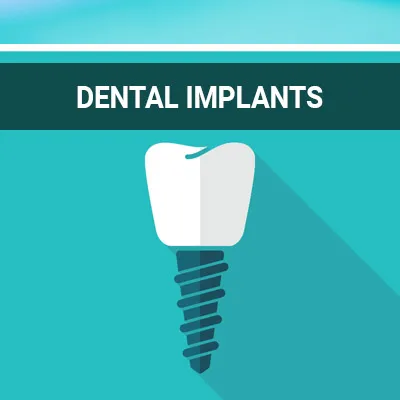
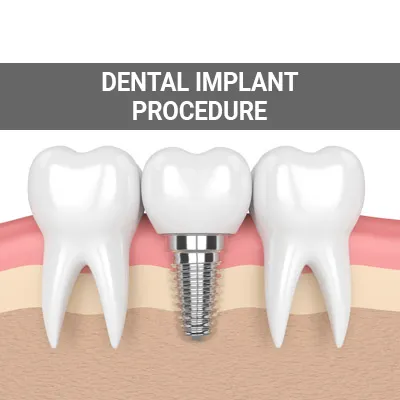
Dental Implant Terminology
Dental CrownA crown is an artificial tooth, usually consisting of porcelain, which covers the top of the implant to provide people with an aesthetically pleasing and fully-functional tooth.
Endosteal (endosseous)Endosteal is a type of dental implant that a professional places in the alveolar and basal bone of the mandible that transcends only one cortical plate.
Implant-Supported BridgeAn implant-supported bridge is a dental bridge that professionals fix in place with the use of dental implants inserted in the jaw to create a sturdy set of artificial teeth.
Learn How Bone Grafting Can Help You
At Smile Craft Dental, Dr. Amy Nguyen and her experienced team understand that every patient’s bone loss situation is unique, which is why we take time to carefully evaluate your jawbone density and create a personalized treatment plan. Our Sunnyvale office combines advanced technology with a patient-centered approach, ensuring you feel informed and comfortable throughout the entire bone grafting process. Call us today at (650) 880-1550 to schedule your consultation.
Helpful Related Links
- National Institutes of Health. Implant Therapy and Bone Grafting Success Rates. 2024
- American Academy of Implant Dentistry. Missing Teeth and Jawbone Loss. 2024
- American Dental Association (ADA). Glossary of Dental Clinical Terms. 2024
- American Academy of Cosmetic Dentistry® (AACD). Home Page.
2024 - WebMD. WebMD’s Oral Care Guide. 2024
About our business, license, and website security
- Smile Craft Dental was established in 2019.
- We accept the following payment methods: American Express, Cash, Check, Discover, MasterCard, and Visa
- We serve patients from the following counties: San Mateo County and Santa Clara County
- We serve patients from the following cities: Redwood City, San Carlos, Atherton, Redwood Shores, Menlo Park, Woodside, Palo Alto, East Palo Alto, Belmont, and San Mateo
- Norton Safe Web. View Details
- Trend Micro Site Safety Center. View Details

Back to top of Bone Grafting in Sunnyvale, CA