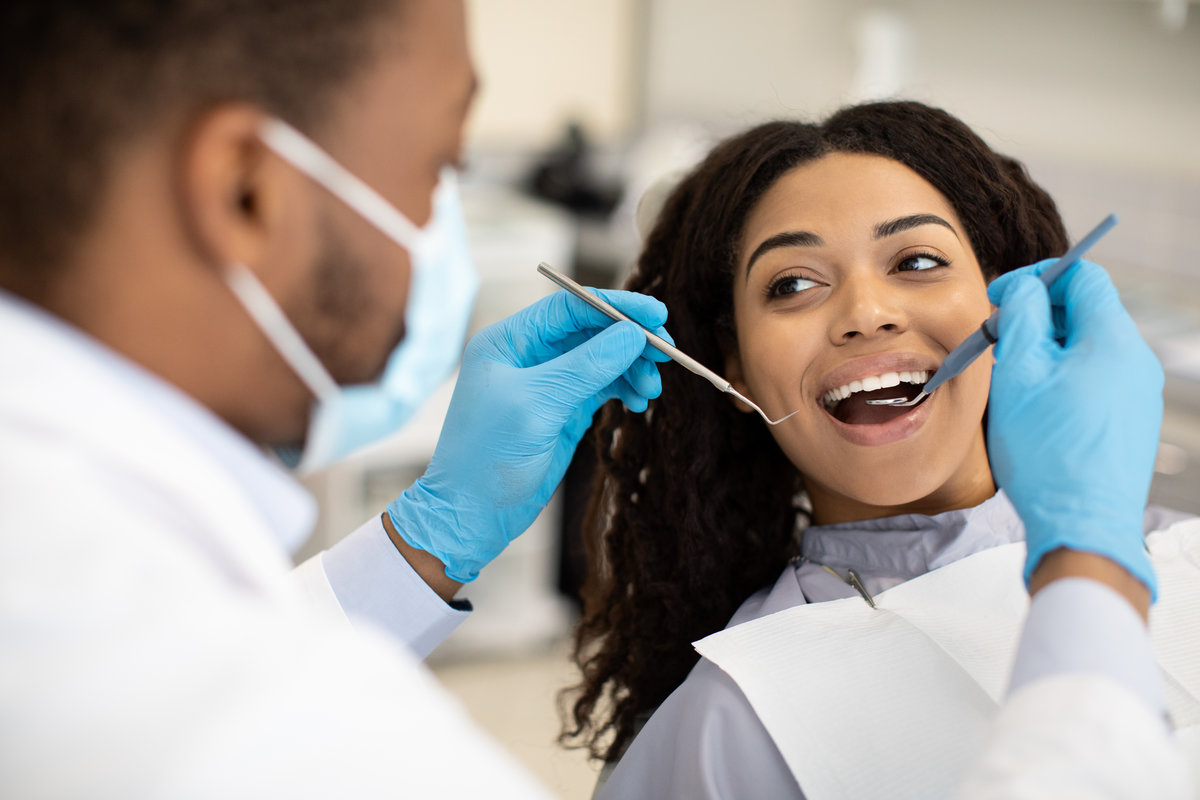
Understanding the Dental Implant Placement Process
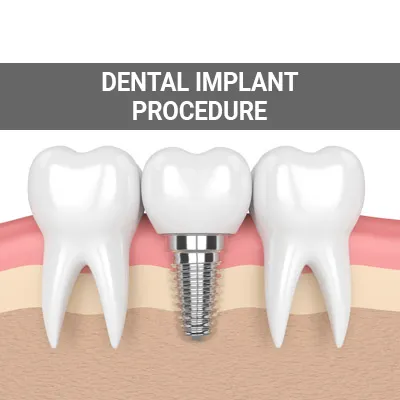
Dental implant placement involves surgically positioning a titanium post into the jawbone to serve as an artificial tooth root. This biocompatible material fuses with your bone through a process called osseointegration, creating a stable foundation for a custom restoration. The procedure typically unfolds in several carefully planned stages, beginning with a comprehensive evaluation of your oral health and bone density.
During the initial consultation, advanced imaging technology enables us to assess whether your jawbone can support an implant or whether preparatory treatments such as bone grafting are necessary. This diagnostic phase is critical, as adequate bone volume and density directly impact the long-term success of your implant. Once we confirm you’re a suitable candidate, we develop a personalized treatment plan tailored to your unique anatomical considerations and aesthetic goals.
The surgical placement itself involves creating a precise opening in the jawbone and positioning the implant at the optimal depth and angle. While this may sound intensive, modern techniques and sedation options ensure patient comfort throughout the procedure. Following placement, a healing period of 3 to 6 months allows the implant to fully integrate with your bone before we can attach the final restoration.
“A healing period of 3 to 6 months allows the implant to fully integrate with your bone.”
Success Rates and Long-Term Outcomes
Dental implants have demonstrated remarkable success rates, solidifying their position as the gold standard for tooth replacement. Research published in the National Library of Medicine indicates that the early survival rate of dental implants is 91.40%, with proper care and maintenance contributing significantly to this outcome. Factors including age, implant length, and the timing of placement all influence the likelihood of success.
The longevity of dental implants surpasses traditional tooth replacement options by significant margins. With good oral hygiene and routine professional care, implants can function effectively for decades. Unlike bridges that may compromise adjacent teeth or dentures that can slip during eating and speaking, implants provide stability comparable to natural teeth.
“Implants can function effectively for decades.”
The Role of Advanced Technology in Implant Placement
Digital imaging and computer-guided implant placement have revolutionized how we approach this procedure. Three-dimensional scans provide unprecedented visualization of your jaw structure, allowing precise planning down to the millimeter. This technology enables us to identify optimal placement sites while avoiding critical anatomical structures, such as nerves and sinuses.
Computer-guided surgery transforms these digital plans into a surgical reality through specialized guides that ensure accurate implant positioning. This precision minimizes trauma to surrounding tissues, often resulting in faster healing and reduced discomfort. The integration of technology into implant dentistry continues to improve both the predictability and efficiency of treatment.
“This precision minimizes trauma to surrounding tissues, often resulting in faster healing.”
Check out what others are saying about our dental services on Yelp: Smile Craft Dental in Redwood City, CA
Caring for Your Dental Implants
Maintaining your dental implants requires a commitment to excellent oral hygiene practices similar to those that preserve natural teeth. Brushing twice a day with a soft-bristled toothbrush and using implant-specific floss helps remove plaque and prevent inflammation around the implant site. Regular professional cleanings at our general dentistry practice help us watch the health of your implants and address any concerns before they become serious complications.
Unlike natural teeth, implants cannot develop cavities, but the surrounding gum tissue remains vulnerable to inflammation and infection. Peri-implantitis, a condition similar to gum disease, compromises the bone supporting your implant if left untreated. Attending scheduled maintenance appointments enables early detection and intervention, protecting your investment in your smile.
“Attending scheduled maintenance appointments protects your investment in your smile.”
Comparing Implants to Alternative Tooth Replacement Options
While cosmetic dentistry offers various approaches to replacing missing teeth, implants offer unique advantages over alternatives such as bridges and dentures. Bridges require modification of adjacent teeth to serve as anchors, compromising healthy tooth structure. Removable partial dentures can feel bulky and may affect speech, while complete dentures rest on the gums without the root stimulation necessary to prevent bone loss.
Unlike other options, dental implants are self-supporting, which protects your natural teeth from being affected. This independent structure is also key in preventing the bone deterioration commonly associated with tooth loss. The investment in implant treatment often proves more cost-effective over time, given its longevity and reduced need for future interventions.
“Dental implants are self-supporting, protecting your natural teeth.”
Questions Answered on This Page
Q. What is the dental implant placement process?
Q. What are the success rates and long-term outcomes?
Q. How does advanced technology improve implant placement?
Q. How do I care for my dental implants?
Q. How do implants compare to alternative tooth replacement options?
People Also Ask
Q. When should people seek an implant dentist?
Q. When is a dental restoration necessary?
Q. What happens during the implant placement surgery?
Q. What is restorative dentistry?
Frequently Asked Questions About Dental Implant Placement
Q. What is a missing tooth’s impact on oral health?
A. A single gap triggers a cascade of oral health complications, from bone loss to shifting teeth. What begins as a cosmetic concern transforms into a functional challenge that affects your quality of life, impacting your smile, clear speech, and comfortable eating.
Q. How long does the dental implant placement process take?
A. The complete process typically takes several months. After surgical placement, a healing period of 3 to 6 months allows the implant to fully integrate with your bone through osseointegration before we attach the final restoration. The timeline varies based on individual healing and whether preparatory treatments like bone grafting are needed.
Q. Does implant placement hurt?
A. Modern techniques and sedation options ensure patient comfort throughout the procedure. While this may sound intensive, most patients report minimal discomfort during placement. Any post-surgical discomfort is typically manageable with over-the-counter pain medication and subsides within a few days.
Q. Am I a candidate for dental implants?
A. Most adults with missing teeth are candidates for dental implants. During your initial consultation, we’ll use advanced imaging technology to assess whether your jawbone can support an implant. Adequate bone volume and density are critical. If preparatory treatments such as bone grafting are necessary, we’ll discuss these options.
Q. How do I prevent peri-implantitis?
A. Peri-implantitis, a condition similar to gum disease, compromises the bone supporting your implant if left untreated. Prevention requires excellent oral hygiene with brushing twice daily using a soft-bristled toothbrush, implant-specific floss, and regular professional cleanings. Attending scheduled maintenance appointments enables early detection and intervention.
Q. Do you accept dental insurance for implant placement?
A. We accept most major insurance plans and offer flexible payment options to make dental care accessible to our community. Our team will work with you to understand your coverage and maximize available benefits for your implant treatment.
Schedule Your Dental Implant Consultation at Smile Craft Dental
Our Sunnyvale practice welcomes patients seeking permanent solutions to tooth loss through state-of-the-art dental implant placement. Dr. Amy Nguyen and our experienced team at Smile Craft Dental prioritize continuing education to bring you the latest advancements in implant dentistry, delivered in a beautiful office environment that patients consistently praise. Whether you’re replacing a single tooth or exploring comprehensive restoration options, we’ll guide you through every step with clear communication and compassionate care.
 Scan here to view this page on mobile

Dental Implant Terminology
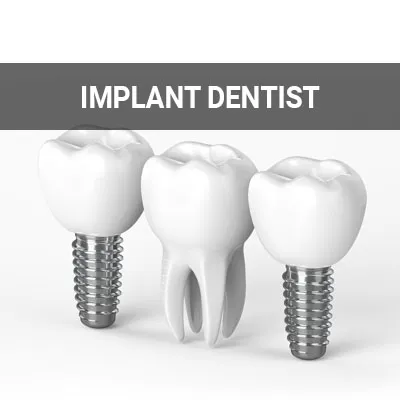
Dental CrownA crown is an artificial tooth, usually consisting of porcelain, which covers the top of the implant to provide people with an aesthetically pleasing and fully-functional tooth.
Endosteal (endosseous)Endosteal is a type of dental implant that a professional places in the alveolar and basal bone of the mandible that transcends only one cortical plate.
Implant-Supported BridgeAn implant-supported bridge is a dental bridge that professionals fix in place with the use of dental implants inserted in the jaw to create a sturdy set of artificial teeth.
Reclaim Your Complete Smile
Take the first step toward reclaiming your complete smile by contacting our office to schedule your implant consultation. We accept most major insurance plans and offer flexible payment options to make dental care accessible to our community. Call us at (650) 880-1550.
Helpful Related Links
- National Library of Medicine. Survival Rate of Dental Implants. 2024
- American Dental Association (ADA). Glossary of Dental Clinical Terms. 2024
- American Academy of Cosmetic Dentistry® (AACD). Home Page.
2024 - WebMD. WebMD’s Oral Care Guide. 2024
About our business, license, and website security
- Smile Craft Dental was established in 2019.
- We accept the following payment methods: American Express, Cash, Check, Discover, MasterCard, and Visa
- We serve patients from the following counties: San Mateo County and Santa Clara County
- We serve patients from the following cities: Redwood City, San Carlos, Atherton, Redwood Shores, Menlo Park, Woodside, Palo Alto, East Palo Alto, Belmont, and San Mateo
- Norton Safe Web. View Details
- Trend Micro Site Safety Center. View Details

Back to top of Dental Implant Placement