
When Tooth Extraction Becomes Necessary
Dental professionals recommend extraction only when other treatment options cannot adequately address the problem. This is a commonly performed procedure despite modern dentistry’s focus on maintaining natural dentition for as long as possible. Severe decay that has destroyed too much of the tooth structure to support a filling or crown often necessitates removal. Advanced periodontal disease that has weakened the surrounding bone and tissues around a tooth may leave extraction as the only viable option to prevent the infection from spreading.
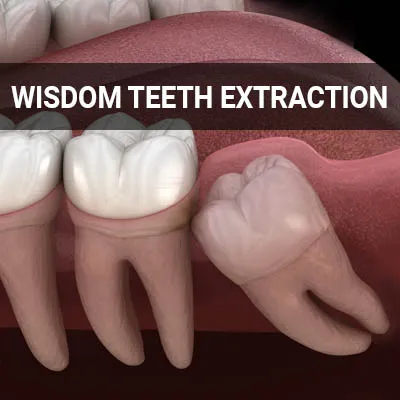
Impacted wisdom teeth represent another common reason for extraction, particularly when they grow at awkward angles that crowd neighboring teeth or remain trapped beneath the gum line. Orthodontic treatment sometimes requires removing teeth to create the space needed for proper alignment, especially in cases of significant crowding. Teeth broken beyond repair due to trauma or injury may need extraction to prevent infection and allow replacement options such as dental implants.
“Dental professionals recommend extraction only when other treatment options cannot adequately address the problem.”
The Extraction Process and What to Expect
Here is what you need to know about the extraction process:
Simple Extractions
Simple extractions address teeth visible above the gum line. The dentist numbs the area with a local anesthetic, then uses specialized instruments to gently loosen the tooth from its socket before removal. This type of extraction typically involves minimal discomfort during the procedure, with patients feeling pressure but not pain.
Surgical Extractions
More complex cases may require surgical extraction, particularly for teeth that have not fully erupted or have broken off at the gum line. This treatment involves a little incision in the gums to access the tooth, and sometimes the tooth must be split into sections for easier removal. Surgical extractions generally require more extensive healing time than simple extractions.
“Patients feeling pressure but not pain during the procedure.”
Recovery and Aftercare
The first 24 hours after extraction prove critical for proper healing. Patients are instructed to bite gently on gauze pads to manage bleeding and allow a blood clot to form in the socket. The clot protects the underlying bone and nerves, making its preservation essential. Avoid vigorous rinsing, drinking through straws, or smoking during the initial recovery period to prevent dislodging this protective clot and developing a painful condition called dry socket.
Swelling and mild discomfort are normal responses to extraction. Applying ice packs to the outside of the face in 20-minute intervals can help reduce swelling on the first day. Over-the-counter pain medication typically manages discomfort adequately, though the dentist may prescribe stronger medication for more extensive procedures. Eating soft foods and avoiding chewing near the extraction site supports healing and prevents irritation.
“The first 24 hours after extraction prove critical for proper healing.”
Check out what others are saying about our dental services on Yelp: Smile Craft Dental in Redwood City, CA
Maintaining Oral Health Post-Extraction
While some extractions, particularly wisdom teeth removal, may not require replacement, losing other teeth can lead to the shifting of surrounding teeth and bone loss over time. Discussing replacement options with your dentist ensures the best long-term outcome for your oral health.
Dental implants are a permanent option that mimics natural tooth roots, providing stability and preventing bone deterioration. Bridges and partial dentures present alternative replacement methods, each with specific advantages depending on individual circumstances and preferences.
Maintaining excellent oral hygiene becomes even more important after an extraction. Regular dental care, including professional cleanings and examinations, helps prevent future tooth loss and identifies potential problems before they require extraction. Brushing twice daily, flossing regularly, and attending scheduled dental appointments create the foundation for lasting oral health.
“Maintaining excellent oral hygiene becomes even more important after an extraction.”
Questions Answered on This Page
Q. When does tooth extraction become necessary?
Q. What is the extraction process and what should I expect?
Q. What should I know about recovery and aftercare?
Q. How do I maintain oral health post-extraction?
People Also Ask
Q. How do I begin preparing for wisdom teeth extraction?
Q. What are some of the reasons one might need a tooth extraction?
Q. Why is routine dental care important?
Q. Why is stopping infection from spreading important?
Q. What if a crown or root canal cannot save my cracked tooth?
Frequently Asked Questions About Tooth Extractions
Q. Will I be in pain during the tooth extraction?
A. No, the dentist numbs the area with a local anesthetic before extraction. This type of extraction typically involves minimal discomfort during the procedure, with patients feeling pressure but not pain. For more extensive procedures or anxious patients, additional sedation options are available.
Q. What is the difference between a simple and surgical extraction?
A. Simple extractions address teeth visible above the gum line using specialized instruments to gently loosen the tooth from its socket. Surgical extractions are for more complex cases where teeth have not fully erupted or have broken off at the gum line, requiring an incision in the gums and sometimes splitting the tooth into sections for easier removal.
Q. How long does recovery take after tooth extraction?
A. The first 24 hours prove critical for proper healing, with initial healing of the extraction site typically taking about two weeks. However, complete bone and soft tissue regrowth may take three to six months. Simple extractions generally heal faster than surgical extractions.
Q. What is dry socket and how can I prevent it?
A. Dry socket occurs when the protective blood clot in the extraction socket is dislodged or fails to form, exposing underlying bone and nerves. Prevent this by avoiding vigorous rinsing, drinking through straws, or smoking during the initial recovery period. Follow all post-operative instructions carefully.
Q. Do I need to replace an extracted tooth?
A. While some extractions, particularly wisdom teeth removal, may not require replacement, losing other teeth can lead to shifting of surrounding teeth and bone loss over time. Dental implants, bridges, and partial dentures are replacement options. Discussing these with your dentist ensures the best long-term outcome for your oral health.
Q. What should I eat after tooth extraction?
A. Eat soft foods and avoid chewing near the extraction site. Ice cream, yogurt, applesauce, mashed potatoes, smoothies, and soup are good options. Avoid hot foods and beverages for the first 24 hours, and gradually return to your normal diet as healing progresses.
Experience Compassionate Care at Smile Craft Dental
Our Sunnyvale practice combines technical excellence with genuine concern for patient well-being. The dentists at Smile Craft Dental bring extensive experience and advanced training to every procedure, ensuring tooth extractions are performed with precision and care. Our beautiful office provides a comfortable environment where patients feel at ease, and our commitment to continuing education keeps us current with the latest techniques and technologies in dental care.
 Scan here to view this page on mobile

Dental Terminology
Dental CariesDental caries are also known as cavities and result from a lack of proper oral hygiene leaving plaque that forms tiny holes in the teeth.
Dental FillingA dental filling involves restoring the structure of the tooth by using metal, alloy, porcelain or plastic to fill the tooth.
Dental SealantsDental sealants contain a resinous material that we apply to the chewing surfaces of the posterior teeth to prevent dental caries.
GingivitisGingivitis is the inflammation of gum tissue that results from plaque, other infections in the mouth and poor oral hygiene.
Trust Your Dental Health to Our Experienced Team
From your consultation through recovery, our team is available to answer questions and address concerns. We accept most major insurance plans and offer payment options to make dental care accessible. Contact Smile Craft Dental today to schedule a consultation and discover why patients throughout Sunnyvale trust us with their dental health. Call us at (650) 880-1550.
Helpful Related Links
- National Library of Medicine. Tooth Extraction Procedure. 2024
- American Dental Association (ADA). Glossary of Dental Clinical Terms. 2024
- American Academy of Cosmetic Dentistry® (AACD). Home Page.
2024 - WebMD. WebMD’s Oral Care Guide. 2024
About our business, license, and website security
- Smile Craft Dental was established in 2019.
- We accept the following payment methods: American Express, Cash, Check, Discover, MasterCard, and Visa
- We serve patients from the following counties: San Mateo County and Santa Clara County
- We serve patients from the following cities: Redwood City, San Carlos, Atherton, Redwood Shores, Menlo Park, Woodside, Palo Alto, East Palo Alto, Belmont, and San Mateo
- Norton Safe Web. View Details
- Trend Micro Site Safety Center. View Details

Back to top of Tooth Extractions in Sunnyvale, CA