
Understanding Special Needs Dentistry
Special needs dentistry encompasses care for patients who require modifications to standard dental treatment due to physical, developmental, cognitive, or emotional conditions. This might include individuals with autism spectrum disorders, cerebral palsy, Down syndrome, intellectual disabilities, sensory processing disorders, or complex medical conditions. The National Institute of Dental and Craniofacial Research reports that individuals with developmental disabilities experience higher rates of untreated dental disease compared to the general population, making accessible, specialized care essential.
Patients with special needs may face unique challenges during dental visits. Sensory sensitivities can make the sounds, lights, and sensations of dental treatment overwhelming. Communication differences may require alternative ways of explaining procedures. Physical limitations might necessitate modifications to positioning or equipment. Our pediatric dental services are designed to support every patient — including those with special needs — with compassion, patience, and individualized care from the very first visit.
“Every patient deserves to feel respected and understood during their dental care — regardless of their needs or abilities.”
Our Approach to Special Needs Dental Care
We believe every patient deserves to feel respected and understood during their dental care. Our approach begins with listening. Before any treatment, we take time to learn about your family member’s specific needs, preferences, communication style, and any triggers or concerns. This information guides how we structure appointments and deliver care. Think of it like visiting a new playground before playing there — the more familiar everything becomes, the less anxiety there is.
We understand that unfamiliar environments can be challenging, so we encourage familiarization visits where patients can meet our team, explore the office, and become comfortable with the setting before any treatment occurs. We accommodate sensory needs by adjusting lighting, minimizing unnecessary sounds, and allowing patients to bring comfort items like headphones, weighted blankets, or fidget tools. Our team moves at each patient’s pace. The connection between general dental health and individualized care means these accommodations significantly improve long-term oral health outcomes for patients with special needs.
“Our approach begins with listening — before any treatment, we take time to learn about your family member’s specific needs and preferences.”
Individualized Treatment Planning
Just as every person has unique dental needs, every patient with special needs requires a customized approach. We develop treatment plans that consider not only oral health requirements but also behavioral, medical, and developmental factors. For some patients, sedation dentistry may be an appropriate option to help them remain comfortable during procedures.
Our preventative dentistry focus is especially important for patients with special needs. Regular dental cleanings and checkups help prevent complex problems that might require more invasive treatment later. We also coordinate care with other healthcare providers when needed. If your family member has complex medical conditions, takes medications that affect oral health, or requires special precautions, we communicate with their other providers to ensure safe, coordinated treatment. We work with families to establish home care routines that fit their unique circumstances.
“We develop treatment plans that consider not only oral health requirements but also behavioral, medical, and developmental factors.”
Check out what others are saying about our dental services on Yelp: Smile Craft Dental in Sunnyvale, CA
Common Dental Services for Patients With Special Needs
Our comprehensive services address the full spectrum of dental health needs. Routine care includes examinations, cleanings, fluoride treatments, and dental sealants, all adapted to each patient’s comfort level. When restorative work is needed, we provide composite fillings, crowns, and other treatments using gentle techniques. According to the National Institute of Dental and Craniofacial Research, preventive care is the most effective strategy for reducing dental disparities in patients with developmental disabilities.
Our team evaluates and adapts care for each patient by considering the following factors during every appointment:
- Sensory sensitivities and preferred accommodations such as lighting or sound adjustments
- Communication style and most effective methods for explaining procedures
- Physical limitations that may require modifications to positioning or equipment
- Medical history and medications that may affect oral health or sedation options
- Behavioral considerations and optimal appointment length and frequency
For patients who experience dental anxiety or have difficulty tolerating procedures, we offer various comfort options including gradual desensitization, where we slowly introduce them to different aspects of dental care over multiple visits. Others may prefer sedation options that help them remain calm and comfortable throughout treatment.
“Preventive care is the most effective strategy for reducing dental health disparities in patients with developmental disabilities.”
Supporting Caregivers and Families
We recognize that caring for someone with special needs involves the whole family. We provide education and support to help caregivers maintain their loved one’s oral health at home. Whether that means demonstrating modified brushing techniques, recommending adaptive equipment, or troubleshooting challenges with home care routines, we are here to help.
Our team also understands that appointments can be stressful for caregivers. We strive to make the process as smooth as possible, from flexible scheduling to clear communication about what to expect during each visit. Our Spanish-speaking staff ensures language is never a barrier to understanding your family member’s care. Learn more about the full range of our restorative solutions available to support your loved one’s long-term oral health.
“We strive to make the process as smooth as possible, from flexible scheduling to clear communication about what to expect at every visit.”
Questions Answered on This Page
Q. What is special needs dentistry?
Q. What is your approach to special needs dental care?
Q. How is treatment planning individualized for patients with special needs?
Q. What dental services are available for patients with special needs?
Q. How does Smile Craft Dental support caregivers and families?
People Also Ask
Q. What does the dentist look for in a dental examination?
Q. Who is the right patient for a dental restoration?
Q. What additional treatments are available at a general dentist?
Q. When is tooth extraction necessary?
Q. Why should children wear a mouth guard while playing sports?
Frequently Asked Questions About Special Needs Dentistry
Q. What conditions qualify as special needs for dental care?
A. Special needs dentistry serves patients who require modifications to standard dental treatment due to a wide range of physical, developmental, cognitive, or emotional conditions. This includes autism spectrum disorders, cerebral palsy, Down syndrome, intellectual disabilities, sensory processing disorders, and complex medical conditions. If you are unsure whether your family member qualifies, contact our office and we will be happy to discuss how we can help.
Q. How do I schedule a special needs dental appointment at Smile Craft Dental?
A. Contact our Sunnyvale office to schedule a consultation. We encourage families to share information about their loved one’s specific needs, triggers, and communication preferences in advance so we can prepare appropriately. We accept most major insurance plans and offer flexible payment options to make care accessible for every family.
Q. What if my family member is very anxious about dental visits?
A. Dental anxiety is very common among patients with special needs, and we have extensive experience helping anxious patients feel comfortable. We offer familiarization visits, gradual desensitization, sensory accommodations, and sedation dentistry options when appropriate. Our team works at each patient’s pace and never rushes through an appointment.
Q. Does Smile Craft Dental offer sedation for patients with special needs?
A. Yes. For patients who have difficulty tolerating dental procedures, sedation dentistry can be an appropriate and effective option. Our team will discuss the available sedation options, evaluate suitability based on your family member’s medical history and health, and work with you to determine the safest and most comfortable approach.
Q. Can you accommodate patients who need longer or more frequent appointments?
A. Absolutely. We offer flexible scheduling to accommodate the unique needs of every patient. Some patients benefit from shorter, more frequent visits to build comfort and familiarity over time, while others may need extended appointments to complete treatment without rushing. We work with families to find the approach that best supports their loved one’s care.
Q. How can I help maintain my loved one’s oral health at home?
A. Our team provides personalized education and support for caregivers, including demonstrations of modified brushing techniques and recommendations for adaptive oral hygiene equipment. We also offer guidance on managing challenges with home care routines and can suggest strategies that work for your family member’s specific needs and abilities. We are here as a resource for you at every visit.
Schedule Special Needs Dental Care at Smile Craft Dental in Sunnyvale
Everyone deserves access to quality dental care delivered with compassion and respect. At Smile Craft Dental, we are committed to providing exceptional dental services for patients with special needs in Sunnyvale and throughout the Bay Area. The experienced team, led by Dr. Janice Chou, brings together advanced training, state-of-the-art technology, and a genuine commitment to patient well-being, ensuring your loved one receives care tailored to their unique needs and delivered in a truly welcoming environment.
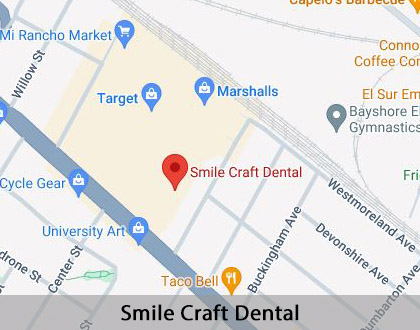
 Scan here to view this page, Special Needs Dentistry, on mobile


Dental Terminology
Sensory Processing DisorderSensory processing disorder is a condition in which the brain has difficulty receiving and responding to information that comes in through the senses. Patients with sensory processing disorders may be especially sensitive to dental office sounds, lights, tastes, and textures and benefit from accommodations during appointments.
DesensitizationDesensitization in dentistry is a gradual process of introducing patients to aspects of dental care over multiple visits to reduce anxiety and build comfort. It is commonly used with patients who have special needs or significant dental anxiety to make treatment more tolerable over time.
Sedation DentistrySedation dentistry uses medication to help patients relax during dental procedures. Options range from mild sedation such as nitrous oxide to deeper sedation for patients who require more significant anxiety management. It is often used for patients with special needs who have difficulty tolerating treatment while awake.
Dental SealantA dental sealant is a thin, protective resin coating applied to the chewing surfaces of back teeth to prevent cavities. Sealants are especially valuable for patients with special needs who may have difficulty maintaining thorough oral hygiene independently.
Dental ProphylaxisA dental prophylaxis is a professional and detailed cleaning that involves the removal of plaque, calculus, and stains from the teeth. For patients with special needs, prophylaxis appointments are adapted to each patient’s sensory and behavioral needs to ensure a comfortable and productive visit.
Autism Spectrum DisorderAutism spectrum disorder (ASD) is a developmental condition characterized by differences in communication, social interaction, and behavior. Patients with ASD may have sensory sensitivities and communication needs that require specialized accommodations during dental visits.
Preventive DentistryPreventive dentistry focuses on maintaining oral health in order to prevent the spread of plaque, the formation of tartar, and infections in the mouth. Preventive care is especially critical for patients with special needs, as dental disease can have a significant impact on overall health and quality of life.
Adaptive EquipmentAdaptive equipment in dentistry refers to modified or specialized tools designed to help patients with physical or cognitive limitations maintain proper oral hygiene. Examples include electric toothbrushes with modified handles, floss holders, and mouth props used during dental procedures.
Digital RadiographyDigital radiography is a form of dental X-ray imaging that uses digital sensors to produce detailed images quickly and with significantly reduced radiation exposure. It is especially valuable for patients with special needs, as the faster process minimizes the time they need to remain still during imaging.
Learn More About Special Needs Dentistry in Sunnyvale, CA
Everyone deserves access to quality dental care delivered with compassion and respect. Our team at Smile Craft Dental takes pride in creating positive dental experiences that prioritize comfort, understanding, and individualized attention for every patient. Contact Smile Craft Dental today to schedule a consultation and learn how we can support your loved one’s dental health in a caring, accommodating environment. Call us at (650) 880-1550.
Helpful Related Links
- National Institute of Dental and Craniofacial Research. Developmental Disabilities and Oral Health. 2024
- American Academy of Pediatric Dentistry. Resources for Parents. 2024
- American Dental Association (ADA). Glossary of Dental Clinical Terms. 2024
- WebMD. WebMD’s Oral Care Guide. 2024
About our business, license, and website security
- Smile Craft Dental was established in 2019.
- We accept the following payment methods: American Express, Cash, Check, Discover, MasterCard, and Visa
- We serve patients from the following counties: San Mateo County and Santa Clara County
- We serve patients from the following cities: Sunnyvale, Santa Clara, Mountain View, Cupertino, San Jose, Campbell, Los Altos, Milpitas, and Saratoga
- Norton Safe Web. View Details
- Trend Micro Site Safety Center. View Details

Back to top of Special Needs Dentistry in Sunnyvale, CA