What Is Endodontics?
Endodontics focuses on treating the interior structures of teeth, particularly the dental pulp and root canal system. Think of your tooth like a house: while the outer walls (enamel and dentin) provide structure and protection, the interior rooms (pulp chamber and root canals) contain the living tissue that keeps the tooth vital. When decay, trauma, or infection penetrate these inner spaces, endodontic intervention becomes necessary to save the tooth.
The dental pulp contains nerves, blood vessels, and connective tissue that supported tooth development during childhood. In adults, teeth can survive without this pulp once the roots have fully formed. When the pulp becomes inflamed or infected, removing it through endodontic treatment eliminates the source of pain while allowing you to keep your natural tooth. According to research published by the National Institutes of Health, root canal treatment serves as the primary endodontic therapy for cases of irreversible pulpitis and apical periodontitis, helping millions of patients preserve their teeth each year.
“Think of your tooth like a house: the interior rooms contain the living tissue that keeps the tooth vital.”
Signs You May Need Endodontic Treatment
Your body provides clear signals when something is wrong inside a tooth. Persistent pain that lingers after the initial stimulus disappears often indicates pulp damage. You might notice heightened sensitivity when consuming hot beverages or ice-cold water, with discomfort that does not fade quickly. Some patients experience tenderness when chewing or applying pressure to a specific tooth.
Swelling in the gums near a painful tooth, tooth discoloration, or a small bump resembling a pimple on the gums can all point toward an infection requiring endodontic care. Not every case announces itself dramatically; sometimes the infection progresses silently, detectable only through imaging during routine exams. The connection between general dental health and endodontic conditions means early identification and intervention can prevent these issues from progressing into more serious complications. We encourage patients experiencing any of these symptoms to schedule an evaluation promptly, as early intervention typically leads to more straightforward treatment.
“Early intervention typically leads to more straightforward treatment and better long-term outcomes.”
The Root Canal Procedure
When you arrive for endodontic treatment at our Sunnyvale location, we begin with thorough diagnostics, including digital imaging, to assess the extent of infection and visualize the root canal system. Modern technology has transformed root canal therapy into a comfortable, efficient procedure that typically requires just one or two appointments.
After administering local anesthesia to ensure your comfort, we create a small access opening in the tooth to reach the pulp chamber. Using specialized instruments and magnification, we carefully remove the infected or inflamed pulp tissue from the chamber and root canals. The canals are then meticulously cleaned, shaped, and disinfected to eliminate bacteria. Once thoroughly cleaned, we fill and seal the canals with a biocompatible material called gutta-percha. The access opening receives a temporary or permanent filling, and in most cases, we will recommend placing a dental crown to protect and strengthen the treated tooth for long-term success.
“Modern technology has transformed root canal therapy into a comfortable, efficient procedure.”
Check out what others are saying about our dental services on Yelp: Smile Craft Dental in Sunnyvale, CA
Advanced Technology for Precise Treatment
At Smile Craft Dental, we invest in cutting-edge dental technology because we believe our patients deserve care that combines precision with comfort. Our digital radiography provides detailed images while minimizing radiation exposure, allowing us to plan treatment with exceptional accuracy. We utilize electronic apex locators to precisely measure root canal length, ensuring complete cleaning without extending beyond the tooth’s apex.
Research has shown that advances in endodontic technology lead to more predictable outcomes and improved patient comfort. Our commitment to continuing education keeps us current with the latest techniques and technologies in endodontics. This dedication to advancement means you benefit from treatment protocols refined through years of research and clinical experience. We also maintain top-tier infection control standards and utilize state-of-the-art sterilization processes to ensure your safety throughout treatment.
The evaluation and treatment process takes into account multiple factors, including the following:
- Extent of pulp inflammation or infection identified through imaging
- Root canal length and anatomy measured with precision instruments
- Degree of surrounding bone involvement and periapical status
- Restorability of the tooth following treatment
- Patient’s overall health and long-term treatment goals
Following assessment, an individualized treatment plan addresses identified concerns while working toward optimal function and aesthetics. This integrated approach recognizes that every patient presents unique anatomical features requiring customized endodontic solutions.
“Every patient presents unique anatomical features requiring customized endodontic solutions.”
Preserving Your Natural Tooth
Many patients wonder whether tooth extraction might be simpler than endodontic treatment. While extraction may seem like a straightforward solution, preserving your natural tooth offers significant advantages. Natural teeth maintain the integrity of your jawbone through the stimulation created during chewing. They keep adjacent teeth properly positioned and prevent the shifting that often follows extraction.
Restorative solutions like bridges and implants can replace missing teeth, but they require additional procedures, healing time, and expense. When a tooth can be saved through endodontic treatment, most dentists agree this represents the ideal outcome. With proper care and restoration, endodontically treated teeth can function normally for many years or even a lifetime.
“With proper care and restoration, endodontically treated teeth can function normally for many years or even a lifetime.”
Questions Answered on This Page
Q. What signs indicate you may need endodontic treatment?
Q. What does the root canal procedure involve?
Q. What advanced technology is used for endodontic treatment?
Q. Why is preserving a natural tooth important?
People Also Ask
Q. What does the dentist look for in a dental examination?
Q. Who is the right patient for a dental restoration?
Q. What additional treatments are available at a general dentist?
Q. When is tooth extraction necessary?
Frequently Asked Questions About Endodontics
Q. Do I need endodontic treatment?
A. Endodontic treatment may be necessary if you are experiencing persistent tooth pain, prolonged sensitivity to heat or cold, swelling near a tooth, or discoloration of a tooth. Sometimes an infection has no obvious symptoms and is detected only through imaging during a routine exam. Our team can evaluate your situation and determine whether endodontic care is appropriate.
Q. How do I get started with endodontic treatment at Smile Craft Dental?
A. Simply contact our Sunnyvale office to schedule an evaluation. We will review your dental history, take digital images, and discuss your treatment options in detail. We accept most major insurance plans and offer flexible payment options to make care accessible and affordable.
Q. How long does recovery take after a root canal?
A. Most patients return to normal activities the day following treatment. Mild soreness around the treated tooth is common for a few days and can usually be managed with over-the-counter pain relievers. We provide detailed post-treatment instructions to help ensure a smooth and comfortable recovery.
Q. Is a root canal painful?
A. With modern anesthesia and techniques, most patients find root canal treatment no more uncomfortable than having a filling placed. We take time to ensure adequate anesthesia before beginning and monitor your comfort throughout. Many patients are surprised by how manageable the procedure actually feels compared to their expectations.
Q. Will I need a crown after a root canal?
A. In most cases, we recommend placing a dental crown following root canal treatment to protect and strengthen the tooth. A treated tooth can become more brittle over time, and a crown helps ensure long-term function and prevents fracture. Our team will discuss restoration options that best suit your specific situation.
Q. Can endodontic treatment fail?
A. While root canal treatment has a high success rate, in rare cases a tooth may not heal as expected or a new infection may develop. In these situations, retreatment or other endodontic procedures may be recommended. Our team will monitor your progress and take action promptly if any concerns arise after treatment.
Experience Comprehensive Endodontic Care at Smile Craft Dental
Understanding the connection between endodontic health and your overall well-being is just the beginning of your journey toward lasting oral health. At Smile Craft Dental in Sunnyvale, the focus extends beyond temporary fixes to create lasting improvements in both function and comfort. The experienced team brings together advanced training, state-of-the-art technology, and a genuine commitment to patient well-being, ensuring you receive care that addresses your complete health picture rather than just isolated dental concerns.
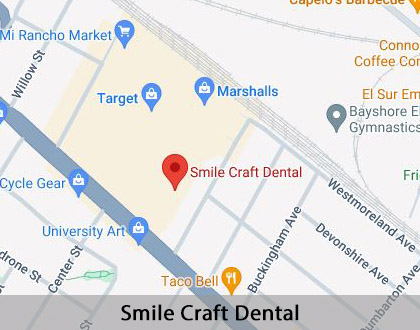
 Scan here to view this page, Endodontics, on mobile



Dental Terminology
PulpitisPulpitis is the inflammation of the dental pulp, which can be reversible or irreversible. Irreversible pulpitis typically requires root canal treatment to eliminate the source of infection and preserve the tooth.
Gutta-PerchaGutta-percha is the biocompatible rubber-like material used to fill and seal root canals after the infected pulp has been removed. It is the standard material used in endodontic treatment worldwide.
Dental CrownA dental crown is a tooth-shaped cap placed over a damaged or endodontically treated tooth to restore its shape, strength, and function. Crowns are commonly recommended following root canal therapy to prevent fracture.
Digital RadiographyDigital radiography is a form of dental X-ray imaging that uses digital sensors instead of traditional film. It provides detailed images with reduced radiation exposure and allows for immediate viewing and enhanced diagnostic accuracy.
EndodontistAn endodontist is a dental specialist with advanced training in diagnosing tooth pain and performing root canal treatment and other procedures involving the interior of the tooth.
Schedule Your Endodontic Evaluation at Smile Craft Dental
Do not let tooth pain control your life. Early evaluation and treatment of dental pulp issues prevents complications and improves outcomes. Our team at Smile Craft Dental can determine whether endodontic care is right for you. Contact Smile Craft Dental today to schedule a consultation and take the first step toward eliminating dental pain and preserving your natural smile for years to come. Call us at (650) 880-1550.
Helpful Related Links
- National Library of Medicine. Root Canal Treatment and Endodontic Outcomes. 2024
- American Dental Association (ADA). Glossary of Dental Clinical Terms. 2024
- American Academy of Cosmetic Dentistry® (AACD). Home Page.
2024 - WebMD. WebMD’s Oral Care Guide. 2024
About our business, license, and website security
- Smile Craft Dental was established in 2019.
- We accept the following payment methods: American Express, Cash, Check, Discover, MasterCard, and Visa
- We serve patients from the following counties: San Mateo County and Santa Clara County
- We serve patients from the following cities: Sunnyvale, Santa Clara, Mountain View, Cupertino, San Jose, Campbell, Los Altos, Milpitas, and Saratoga
- Norton Safe Web. View Details
- Trend Micro Site Safety Center. View Details

Back to top of Endodontist in Sunnyvale, CA