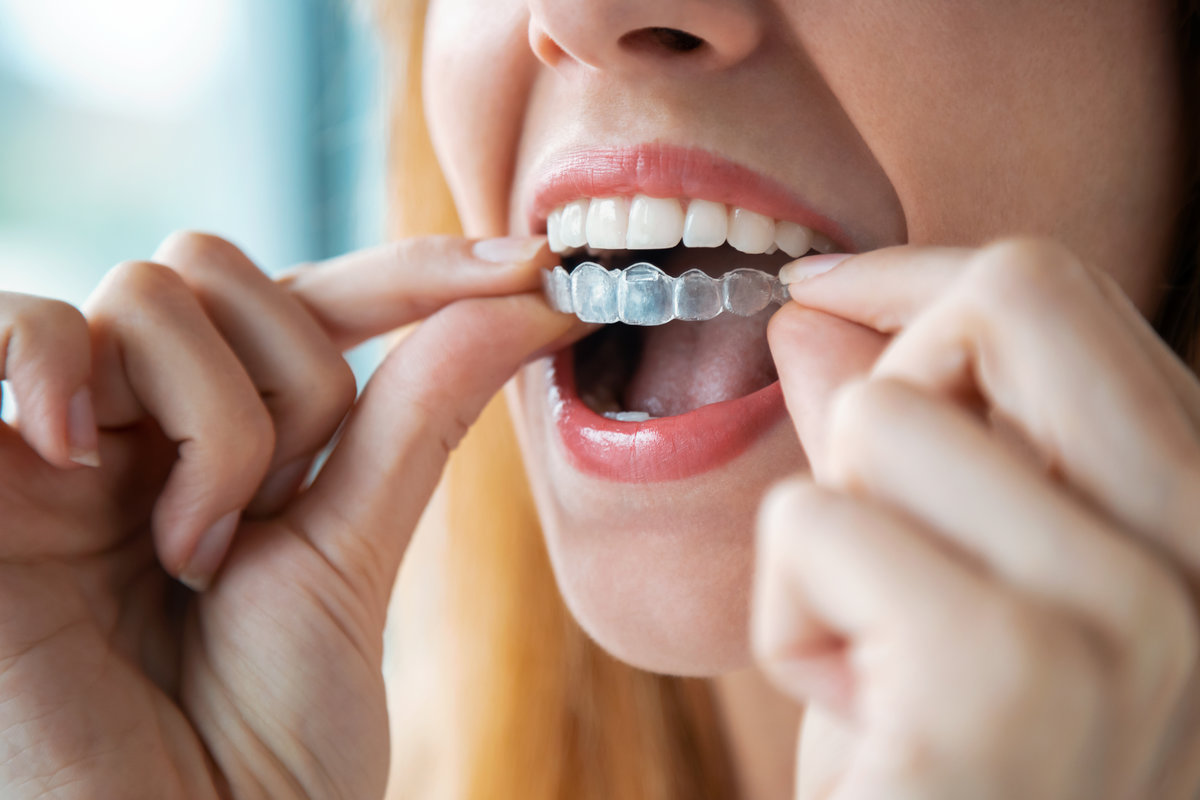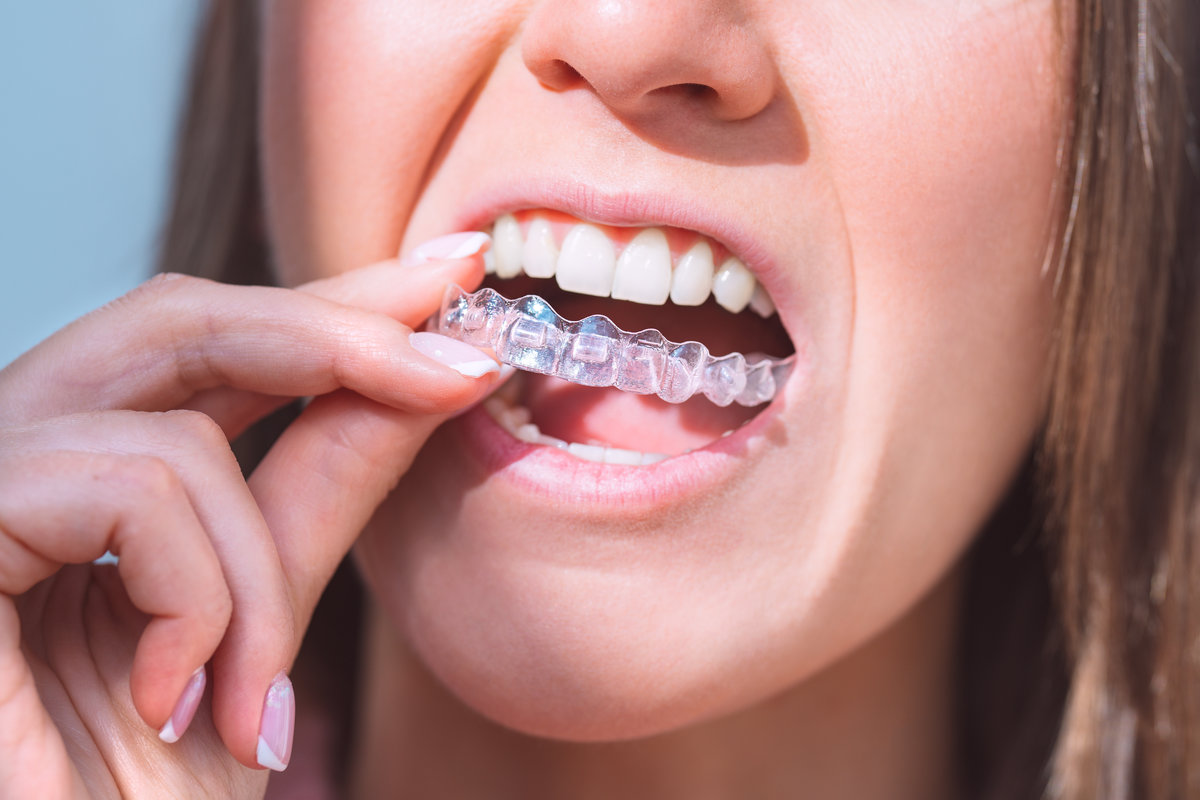
What is General Dentistry?
A general dentist should be thought of as a primary care dental provider focusing on the diagnosis, treatment, and overall oral health care needs of the patient. This can include fillings, gum care, preventive education, and routine maintenance procedures. Smile Craft Dental works with each patient to develop a customized dental hygiene plan that addresses their unique needs and goals.
A dentist also plays a role in a patient’s overall health. Our staff will take a complete health history, including any medications they are taking, and discuss how they can affect oral health. For instance, diabetes is known to increase gum disease risk, while medicines contributing to dry mouth can increase tooth decay risk. Symptoms of other diseases can also show up in the mouth first.
Patients can also expect to discuss diet and oral hygiene habits. Other lifestyle habits, such as tobacco use, are necessary to disclose as well. It is essential to be upfront about any activities that can adversely affect oral health.
Comprehensive Dental Check-Ups
What to Expect During Your Visit
A typical routine checkup includes a thorough cleaning and polishing to remove any buildup of plaque and tartar on the surfaces of the teeth and along the gum line. New patient appointments and visits after a few years typically require X-rays as well. After the cleaning, Smile Craft Dental will do a comprehensive exam, carefully checking all the teeth and any areas of concern. Afterward, we will discuss the results of the checkup and schedule a follow-up visit if needed.
Most routine dental visits involve basic teeth cleanings. During these visits, the dental hygienist uses various metal and ultrasonic tools to scrape off any plaque and tartar buildup on the patient’s teeth and gum line. The hygienist will spend time working on one tooth at a time and may even floss between teeth. During this time, a patient wears a plastic or paper cloth over the chest. The patient may also wear eye shields.
Once the hygienist has finished the cleaning, the dentist will do a thorough exam. During this exam, the dentist looks for any pockets or gaps between the patient’s teeth and gums. Occasionally, patients may get X-rays after a basic cleaning to identify any difficult-to-see or developing problems.
“The hygienist will spend time working on one tooth at a time and may even floss between teeth.”
Deep Cleaning (Scaling & Root Planing)
Deep cleanings, also known as scaling and root planing, go one step further by addressing anything below the gumline. This procedure has the potential to treat gum disease. When not properly removed, the bacteria in plaque can inflame your gums and cause your gums to pull away from your teeth.
Consequently, the gums may form “pockets” that trap more plaque. This is dangerous because it could lead to bone and tooth loss. Deep cleaning is effective during the early stages of gum disease when the structures below the gum line have not yet been damaged. If the condition is more advanced, then more intensive treatments may be necessary.
“Deep cleanings, also known as scaling and root planing, go one step further by addressing what is below the gumline.”
Fluoride Treatments
Fluoride is a natural tooth-supporting mineral that strengthens teeth, helps prevent cavities, and fights harmful bacteria. It protects gums and tooth enamel. Professional fluoride treatments provide patients with concentrated solutions that are much stronger than over-the-counter solutions.
The American Dental Association recommends that patients receive professional fluoride treatments every three, six, or 12 months, depending on the patient’s oral health. Certain groups may be at increased risk for cavities and require more frequent fluoride treatments. These include those who do not seek regular, recommended professional dental care, use drugs or alcohol frequently, have poor oral hygiene, have a poor diet, or have weak enamel.
“Professional fluoride treatments provide patients with concentrated solutions that are much stronger than over-the-counter solutions.”
Dental Sealants & Preventive Care
Dental sealants work to prevent tooth decay, usually on the back teeth (or the premolars and molars). When a dentist administers dental sealants, they paint a thin, plastic coating (the sealant) on the chewing surfaces of a patient’s teeth. The sealant then bonds into the teeth’s depressions and grooves to protect the enamel.
While brushing and flossing can clean the surface areas of the teeth, they are often insufficient in removing food and plaque from more vulnerable areas, like the nooks and crannies. Sealants work to close these areas off, making them especially valuable for those who already have or are susceptible to tooth decay. Additionally, adults without tooth decay or those who have fillings may benefit.
“Sealants work to close these areas off, making them especially valuable for those who already have or are susceptible to tooth decay.”
Dental Bonding
Practitioners use dental bonding to restore or improve a patient’s smile. The dentist applies a tooth-colored resin material to the patient’s tooth. This material is hardened by a special light that causes it to “bond” to the teeth. Dental bonding can enhance the smile and improve tooth function. It tends to be easier and more affordable than most other cosmetic dental procedures.
Some of the circumstances in which a dentist may employ dental bonding include:
- Repairing chipped, cracked, or decayed teeth
- Protect tooth root that has been exposed as a result of receding gums
- Lessen the appearance of discoloration on teeth
- Close spaces between teeth or make teeth appear longer
- Change the shape of teeth to make them more aesthetically pleasing
This is not an exhaustive list of uses for dental bonding. Speaking with a dental professional will help you determine if bonding is the best way to treat your dental issue.
“Dental bonding can enhance the smile and improve tooth function.”
Additional General Dentistry Services
A general dentist offers several services designed to address current problems and prevent any future issues. Patients do not need to suffer from bad breath or tooth pain. Our staff will discuss any oral health concerns and suggest corrective and preventative treatments.
When it comes to bad breath, the first step is to practice proper oral hygiene at home. If a buildup of bacteria on the teeth is to blame, we may recommend a mouth rinse that kills bacteria or toothpaste with antibacterial properties.
Basic Teeth Whitening
Those looking to improve the appearance of their teeth may want to consider basic teeth whitening. Though there are many teeth whitening products available over-the-counter, the most effective options are provided at the dentist’s office. These products are medical-grade, meaning they are more concentrated and can achieve better results. In-office whitening can achieve results eight times greater than whitening toothpaste. Generally speaking, this procedure is best suited for patients who have healthy teeth and gums and no fillings.
Frequently Asked Questions
Will I experience pain after a deep teeth cleaning?
Pain may persist for one or two days following a deep cleaning, along with general teeth sensitivity. Gums may bleed and become swollen and tender. Our team will provide you with a treatment plan to manage the discomfort.
How can I maintain my dental hygiene routine at home?
Oral hygiene calls for more than regular dental visits and brushing your teeth. It is important to keep a close eye on your health. This involves conducting regular oral self-examinations and updating your dentist on any relevant information. You should floss and rinse daily and eat a balanced diet. Avoid tobacco use, which increases the risk of various cancers, gum disease, bad breath, tooth discoloration, and more.
What happens if I get too much fluoride?
Too much fluoride may negatively affect the teeth and bones. They may cause issues with bone homeostasis, staining and pitting on teeth, and white specks on mature teeth. Our team works closely with our patients to prevent this from happening.
Can children get dental sealants?
Yes. Dental sealants may help protect your children’s teeth against cavities, which are common among children and teenagers. If left untreated, they may cause problems with eating, speaking, and learning, along with pain and infection. Learn more about our kid-friendly dentistry services.
How long will dental bonding last?
The answer to this varies based on the patient’s oral hygiene routine and how much bonding was done. However, most patients find that their dental bonding material lasts from three to 10 years before needing a touch-up or repair.
Why is it important to find the right general dentist?
When determining where to receive dental care, think about what is most important in terms of atmosphere and type of service. A single-provider dental office offers a level of personalized care that cannot be found elsewhere. Patients who desire a warmer relationship with their dentist may benefit from a dental office. Single-provider offices are more likely to get to know their patients and their specific oral health needs better.
How often should someone have a dental checkup?
Most patients should visit their dentist for routine checkups and cleanings every six months. However, some patients with specific oral health conditions may need more frequent visits. Your dentist will recommend the best schedule for your individual needs.
Quality Dental Services Can Transform Your Smile
Routine dental care should be a part of everyone’s oral health routine. By visiting us as soon as possible, our team can help get you the professional treatment you need. Instead of waiting around and allowing symptoms to get worse, we can provide you with treatment options that maintain and improve your oral health.
Primary dental care provider for the whole family. Modern dentistry in a fun, caring environment. Keeping up with your general dentistry treatments may prevent any serious issues before they happen. We at Smile Craft Dental may be able to help.
Call us today at (650) 880-1550 to learn more and schedule an appointment.
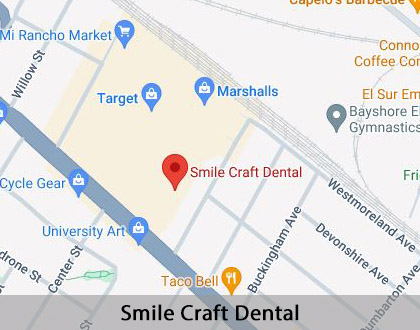
 Scan here to view this page, General Dentist, on mobile


Dental Terminology
Dental CariesDental caries are also known as cavities and result from a lack of proper oral hygiene leaving plaque that forms tiny holes in the teeth.
Dental FillingA dental filling involves restoring the structure of the tooth by using metal, alloy, porcelain or plastic to fill the tooth.
Dental SealantsDental sealants contain a resinous material that we apply to the chewing surfaces of the posterior teeth to prevent dental caries.
GingivitisGingivitis is the inflammation of gum tissue that results from plaque, other infections in the mouth and poor oral hygiene.
Call Us Today
A general dentist offers comprehensive dental care to maintain healthy teeth at any age. Our team at Smile Craft Dental can provide you with the dental care you deserve. Call us today at (650) 880-1550 to schedule an appointment or learn more about our services.
Helpful Related Links
- American Dental Association (ADA). Glossary of Dental Clinical Terms. 2023
- American Academy of Cosmetic Dentistry® (AACD). Home Page.
2023 - WebMD. WebMD’s Oral Care Guide. 2023
About our business, license, and website security
- Smile Craft Dental was established in 2019.
- We accept the following payment methods: American Express, Cash, Check, Discover, MasterCard, and Visa
- We serve patients from the following counties: San Mateo County and Santa Clara County
- We serve patients from the following cities: Redwood City, San Carlos, Atherton, Redwood Shores, Menlo Park, Woodside, Palo Alto, East Palo Alto, Belmont, and San Mateo
- Norton Safe Web. View Details
- Trend Micro Site Safety Center. View Details

Back to top of General Dentist