
Recent Posts

kid friendly dentist can do much more than performing a routine examination on your child’s teeth and gum. The dentist also provides important restorative care when your son or daughter has a large cavity. Tooth decay can be common among young patients. When this occurs, the child is at risk of losing the tooth. Stainless steel crowns are a good alternative to this step.

The causes of tooth decay

People of all ages can get cavities. Children are no exception, and this condition often shows up in the back teeth. Poor brushing habits are a major cause of tooth decay. Children may neglect this task or may not brush effectively. Parents should help children brush often and correctly. Eating sugary foods or drinking beverages high in sugar can also lead to cavities in the molars.

A description of the crowns

Made of durable stainless steel, these crowns fit over the entire tooth and protect it from further decay. The child’s kid friendly dentist may use stainless steel instead of silver amalgam or composite resin. The crown will fall out with the baby tooth, but until this time, it should last up to four years. It is natural-looking in size and shape. The dentist will polish it, giving it a clean, smooth appearance.

Why the kid friendly dentist uses a crown

With many cavities, the dentist can drill into the tooth, remove the decay, and fill the space. However, if the decay is significant, the patient may risk losing the entire tooth. Though the baby tooth will eventually fall out, this might not be the right option for young children. To preserve the tooth as long as possible, the crown stabilizes it and keeps it from further damage. The stainless steel crown will ensure that there is enough space in the mouth for the incoming permanent tooth.

The process

Putting a stainless steel crown over a baby tooth is similar to getting a filling. The kid friendly dentist numbs the patient and drills into the affected tooth. After thoroughly cleaning the tooth of decay, the dentist sanitizes it. Next, the dentist fills the space and then places the cap over it.

Care

Children should treat crowns just like natural teeth. The crown can bite into food and chew normally. Regular dental care is also important. The child’s kid friendly dentist will instruct the young patient to brush the crown twice a day with a fluoride-based toothpaste. The dentist will also regularly follow up with the child and check on the crown to make sure it is firmly in place and protecting the tooth.

A different approaching to relieving pain

Cavities can cause discomfort and pain. Instead of removing your child’s baby tooth, the kid friendly dentist may decide that a stainless steel cap is the right treatment. Talk to the dentist about this procedure and whether it makes sense in your child’s case. You can rest at ease knowing that the crown can preserve the baby tooth and restore its full function.

Request an appointment here: https://www.mysmilecraft.com or call Smile Craft Dental at (650) 880-1550 for an appointment in our Redwood City office.

Check out what others are saying about our dental services on Yelp: Kid Friendly Dentist in Redwood City, CA.
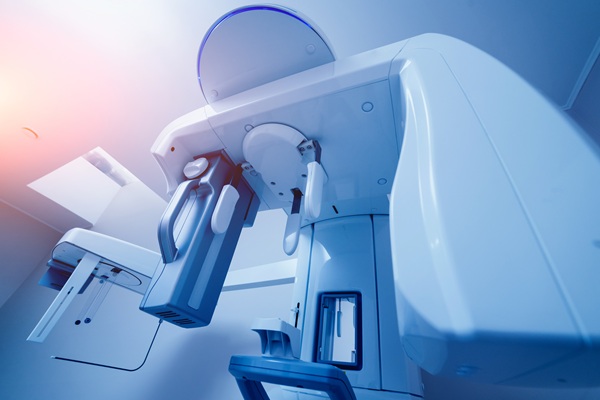
3D dental scans are revolutionizing the way dentists diagnose and treat a wide range of oral health conditions. Unlike traditional X-rays, 3D dental scans provide a detailed, three-dimensional view of the teeth, jaw, and surrounding structures, enabling more accurate diagnoses and precise treatment planning. This advanced imaging technology is becoming vital in modern dentistry, enhancing patient outcomes and overall care.

What are 3D dental scans?

3D dental scans, or cone beam computed tomography (CBCT) scans, use advanced imaging technology to create highly detailed, three-dimensional images of the oral and facial structures. These scans capture information from multiple angles, offering a comprehensive view of the teeth, jawbone, soft tissues, and nerve pathways. The resulting images allow dentists to analyze complex cases more accurately than traditional 2D X-rays.

The process is quick and painless for patients. During the scan, the patient sits or stands completely still while a specialized machine rotates around the head, capturing detailed images in mere seconds. They then compile the data into a 3D model, which the dentist can use to assess and plan treatment.

Benefits of 3D dental scans

The benefits of 3D dental scans extend beyond their ability to capture detailed images. This technology provides dentists with critical insights that may typically be difficult to obtain with traditional imaging methods. One significant advantage is the enhanced ability to detect and diagnose issues early. For example, 3D scans allow dentists to identify conditions such as impacted teeth, cysts, or jawbone abnormalities with greater accuracy, even in their early phases. Early detection means the dentist can address the problems before they become more severe, saving patients time and more extensive issues.

Another key benefit is improved treatment planning. Whether preparing for dental implants, root canals, or orthodontic procedures, 3D dental scans provide dentists with the detailed information they need to tailor treatments to each patient’s unique anatomy. This precision leads to better outcomes and reduces the likelihood of complications.

Lastly, 3D dental scans may improve patient communication. The three-dimensional images make it easier for dentists to explain diagnoses and treatment plans in a way that is clear and easy to understand. Patients can see their oral health in detail, helping them to understand the gravity or current state of their oral condition.

When 3D dental scans are necessary

Dentists use 3D dental scans to help plan various procedures, from routine to advanced care. For example, they are particularly valuable in dental implant planning, where precise placement is crucial for long-term success. The scans help dentists evaluate bone density, nerve locations, and sinus positioning, ensuring they place the implant effectively and without unnecessarily disturbing surrounding structures.

Further, depending on the dentist’s clinical skill set and license, they may offer services from a sub-branch of dentistry like endodontics or orthodontics. In endodontics, 3D scans allow dentists to locate tiny root canals and assess the extent of infections, improving the success of root canal therapy. Orthodontics also benefits from 3D imaging to analyze jaw alignment and tooth positioning, creating customized treatment plans for an effective straightening option.

Call us for more information

3D dental scans are changing how dentistry is practiced by offering incredible accuracy, helping dentists create detailed treatment plans, and improving patients’ overall care. This cutting-edge technology allows for better diagnosis of complex dental issues and ensures treatments are tailored to each patient’s specific needs, leading to more successful outcomes. To learn more about this technology and how it may affect your care experience, contact our Redwood City office.

Request an appointment here: https://www.mysmilecraft.com or call Smile Craft Dental at (650) 880-1550 for an appointment in our Redwood City office.

Check out what others are saying about our services on Yelp: Read our Yelp reviews.

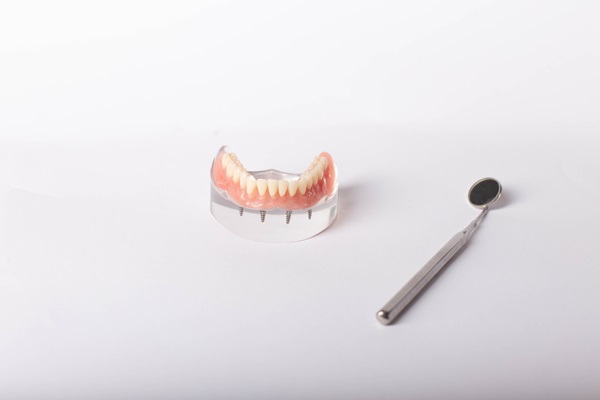
Considering implant supported dentures? This hybrid tooth replacement option is one that provides patients with stability and a natural-looking smile. Implant supported dentures can be used to replace teeth on the upper or lower arch. In the event that the lower arch of teeth needs to be replaced, patients are often curious about how many dental implants are necessary. Continue reading to find out! 

Implant supported dentures for lower teeth

Below is a quick overview of implant supported dentures for lower arches of teeth, including how many dental implants are needed. This information can be helpful to review when looking into tooth replacement options.

The implants

When considering implant supported dentures, it is necessary to understand that there are two parts. The dental implants secure the denture piece into place, which is why they play such a vital role. 

There is a common misconception that a single implant is required for every missing tooth; however, when paired with dentures, that is not true! If an entire arch of lower teeth are needing to be replaced, it is likely that only four dental implants will be needed. The implants can be evenly spaced throughout the lower arch so that the denture piece is secure and evenly fitted.

The procedure

An implant supported denture procedure is one that has multiple parts. The first part involves the actual placement of the dental implants, which does require oral surgery. After a few months of osseointegration and healing, the patient can return to the dentist in order to be fitted for the denture piece. Dentures have to be custom-made to fit the patient’s mouth, which means a few weeks of waiting while they are crafted in a dental lab. Lastly, the dentures are attached to the abutment, which connects to the top of the dental implant. 

Other things to know

When considering implant supported dentures for lower arches of teeth, it is good to be aware of a few things. For one, the time commitment is important. The tooth replacement process with implants can take up to a few months; however, the outcome is worth it! Additionally, there is a bit of recovery time since oral surgery is required. At maximum, patients should expect to take a week of gentle eating and extra rinsing. Lastly, patients should know that there will of course be an adjustment period, especially with the lower arch. The lower arch of teeth are responsible for a lot, including the bite force and how the tongue lies. Dentures of any sort do require a period of adjustment. 

Consult with a general dentist

Want to find out more about implant supported dentures? Talking with a dentist is the next step to take. The dentist can perform an evaluation to determine what plan of action to take. Then, any questions or concerns about tooth replacement with implant supported dentures can be addressed. Reach out today to learn more or to get scheduled for a consultation appointment. 

Request an appointment here: https://www.mysmilecraft.com or call Smile Craft Dental at (650) 880-1550 for an appointment in our Redwood City office.

Check out what others are saying about our dental services on Yelp: Implant Supported Dentures in Redwood City, CA.

CEREC® crowns are a great dental restoration option that offers convenience, ease, and efficient results. However, they are still rather new to dentistry, which can cause those that are considering their options to have a lot of questions. CEREC® crowns achieve the same goal as traditional crowns do, but the way the process is executed is much different. Keep reading to find out more about CEREC® crowns.

Understanding CEREC® crowns and how they differ from traditional dental crowns

Below is an overview of both CEREC crowns and traditional dental crowns. Additionally, the differences between the two are highlighted, which can be helpful in understanding which restoration option is most suitable for you.

CEREC crowns

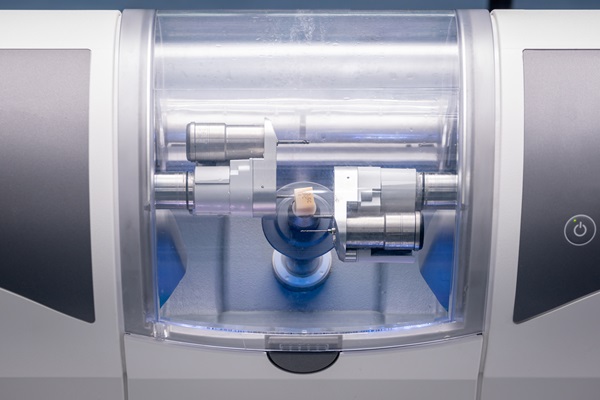
CEREC crowns are custom-created ceramic dental crowns that are typically made in just one appointment. CEREC stands for the chairside economical restoration of esthetic ceramics, which relies on CAD/CAM technology, also known as computer-aided design/manufacturing. CEREC crowns are only made of ceramic materials and they are made right in a dentist’s office using the CAD/CAM machine. The CAD/CAM machine takes digital impressions, which are similar to photographs. Then, the machine is notified to create the CEREC crown. After a few minutes, the crown is ready for placement.

Traditional dental crowns

Traditional dental crowns are made of many materials, including ceramic, porcelain, metal, gold, and hybrid options that combine metal and porcelain. They are made based on physically molded impressions that the dentist takes. After they have been taken, the dental lab will use these impressions to custom-create the crown with the chosen material. The entire process for traditional dental crowns can take anywhere from a week to three weeks.

Comparing and contrasting

Both dental crown options offer patients the same goal of restoring teeth that are in bad shape, whether it be due to decay, accidents, and injuries or imperfections, such as staining. However, the main difference between CEREC crowns and traditional ones is that CEREC is made in just one day, whereas traditional crowns can take up to three weeks. Additionally, CEREC crowns are only made of ceramic materials and traditional crowns can be made up of just about any dental material.

Individuals who are not sure which type of dental crown to choose can consult with a dentist to determine which option is best for them. In short, CEREC crowns are suitable for just about anyone, however, it largely comes down to the material type. Some patients are keen on metal or gold crowns due to their long-lasting durability. Ceramic crowns do last a long time, however, they typically need to be repaired or replaced within 10 to 15 years.

Ready for CEREC® crowns?

When looking to learn more about CEREC crowns, it can be helpful to consult directly with a dentist. An evaluation can be done in order to determine whether or not CEREC is an option for you. Additionally, questions and concerns can be addressed properly, which will also be used to identify the appropriate treatment process. Reach out today to find out more or to get started with a consultation appointment.

Request an appointment here: https://www.mysmilecraft.com or call Smile Craft Dental at (650) 880-1550 for an appointment in our Redwood City office.

Check out what others are saying about our dental services on Yelp: CEREC Dentist in Redwood City, CA.

Curious about dental crowns? Read on to learn more about this type of restoration. If a dentist determines that you need a dental crown, there are several reasons why they may make that suggestion. A crown is a common dental restoration to cover and protect a tooth with compromised structural integrity. Their natural appearance and feel make them a popular choice for aesthetic purposes, too.

What is a dental crown?

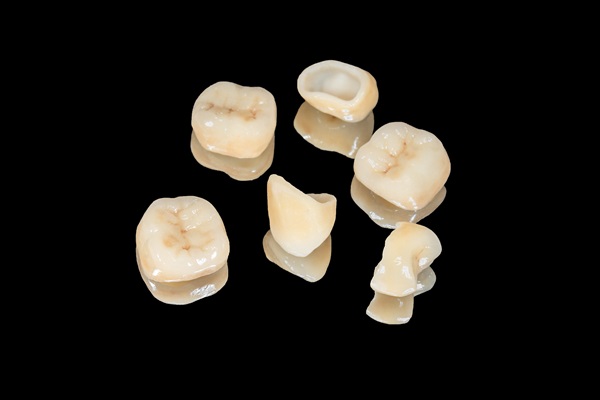
The purpose of a dental crown is to cover a badly damaged or decayed tooth. The crown is more like a tooth-shaped cap with a hollow in it. The crown could be placed as a support for a dental bridge or as a cover for dental implants. The material used for dental crowns varies, based on the purpose and position of the tooth. However, the most popular choice is porcelain because it mimics the appearance of natural teeth.

When is a crown necessary?

Some of the most common reasons for recommending dental crowns are:

  • Root canals: Root canal treatment is a vital dental procedure to remove diseased or damaged pulp tissue from the interior of a tooth. The pulp chamber is then sealed to avoid more infection or damage. When an infection necessitates a root canal, a cap is often required to protect the tooth from further damage because removing pulp tissue makes it extra brittle.
  • Large fillings: Any tooth that needs a large filling or has had many smaller ones may need a crown to protect its structure.
  • Cracked tooth: If your tooth is fractured, you may not always need a crown. If the fracture is painful, has a cavity, or requires a root canal, a crown will be necessary.

Crowns are a great cosmetic solution for many problems, including discolored, spaced-out, or misaligned teeth.

Getting a dental crown

While gold and porcelain are the most common materials for dental crowns, other options are available as well. The dental professional will always prioritize the patient’s needs by selecting a material that provides optimal chewing support and has a better appearance.

It usually takes two visits to the dentist’s office to get a dental crown. The first step is preparing the tooth for the crown application. During this appointment, the dentist will make a cast of the tooth to fabricate a temporary crown. Before starting, they will apply local anesthetic on the tooth to ensure the patient’s comfort throughout the whole process.

Preparing the tooth for the crown requires slightly smoothing down the surface of the tooth. They will take another impression of the gums and teeth after preparation for the customized permanent crown. In the meantime, they may place a temporary crown to protect the tooth, if needed.

A dental lab will use an imprint of the teeth to make a crown for the patient. This will ensure that the crown fits snugly. During the second appointment, the dentist will take out the temporary crown and test the new crown’s fit and alignment. They will then cement the crown into place.

In conclusion

Proper oral hygiene practices like brushing, flossing, and dental checkups can ensure your crown lasts for as long as possible. To learn more about dental crowns, make an appointment with our dental office. The dentist will address your questions and suggest the proper solution during the consultation.

Request an appointment here: https://www.mysmilecraft.com or call Smile Craft Dental at (650) 880-1550 for an appointment in our Redwood City office.

Check out what others are saying about our dental services on Yelp: Dental Crowns in Redwood City, CA.

Patients with dental implants often have questions about the affixed implant crown. Dental implants are ideal for replacing lost tooth roots, and crowns are crucial for helping you get your desired smile. One common query that dentists deal with is the possibility of replacing the dental crown on the implant.

The implant and the crown

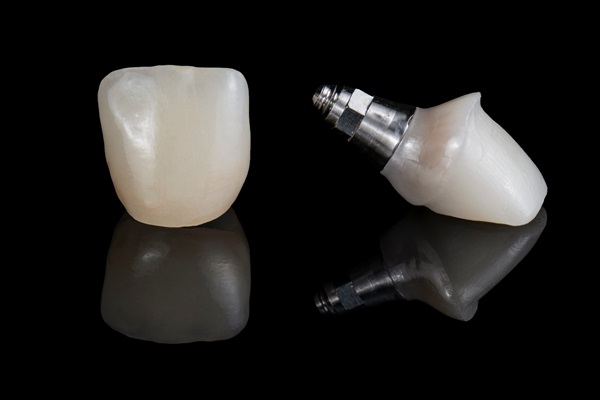
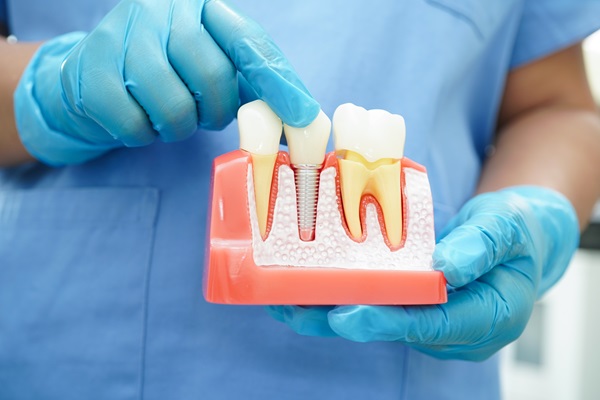
Patients will have a better knowledge of their dental restoration by learning about these two components and how they operate independently and together. Dental implants are tiny titanium posts that dentists use to replace a person’s lost tooth. An implant will function like a tooth’s artificial root, providing a long-term foundation for the crown’s stability. The dentist will insert the implant inside the jaw to replace the root of the lost tooth. The dentist will put an abutment on the implant once fully healed and integrated with the jawbone. The abutment attaches the dental crown to the implant.

Dental crowns will have the same appearance as the tooth above the gumline. The crown does not extend below the gum line or remain in place without support. Dental crowns are used to cover a tooth that needs restoration, such as one that has just undergone a root canal, has a significant fracture, or is severely decayed.

When fillings are not sufficient, the dentist may recommend a crown. A crown protects a damaged tooth from further damage caused by biting and chewing because it covers the entire surface area of the tooth above the gumline. Porcelain or porcelain fused to metal are frequently used to make dental crowns, so the color is customizable to match the rest of the patient’s natural teeth.

Replacing an implant crown

When a person obtains an implant, they must also have a dental crown. To replace a lost tooth, the dentist puts the crown immediately on top of the abutment. Although a crown is not technically part of the dental implant, it is necessary to fix a crown over the dental implant to complete the restoration process.

Unlike dental implants, which are permanent, dental crowns can be changed if they become damaged or worn over time. Every five to 15 years, a dental crown will need to be replaced. It can, however, last longer if the patients practice good dental hygiene, which includes brushing and flossing regularly, as well as attending professional cleanings and exams.

Besides good oral hygiene, patients also need to be wary of how they use their teeth. The implant crown is not invincible, so if subjected to undue force, it might break. It is advisable to avoid chewing on hard substances. Patients with teeth grinding habits should talk to their dentist about getting a mouthguard.

Final note

If you are missing one or more teeth, you should consider obtaining a dental implant and a dental crown to restore your smile’s appearance. If you experience dental trauma and your implant crown gets damaged, contact the dentist immediately. They will either work on repairing or replacing the crown, depending on the severity of the damage.

Request an appointment here: https://www.mysmilecraft.com or call Smile Craft Dental at (650) 880-1550 for an appointment in our Redwood City office.

Check out what others are saying about our dental services on Yelp: Implant Crown in Redwood City, CA.

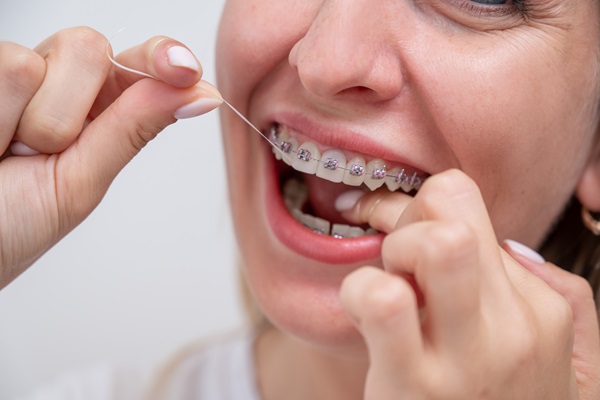
If you have recently gotten braces from the family dentist, you will probably be aware of the hassles of cleaning them. The braces’ brackets are bonded to the tooth’s surface, limiting the reach of the toothbrush and making it harder to clean the teeth thoroughly. Nevertheless, you still need to keep the braces as it is part of keeping the mouth clean.

How to clean braces

The following are helpful tips to keep braces clean:

Select the correct toothbrush

The toothbrush in use before the attachment of braces will probably not be good enough for proper cleaning. Although a regular toothbrush can function, patients might need to consider other options that will make cleaning the teeth and the braces more convenient. For instance, an electric toothbrush might work. Patients can also check for brushes designed mainly to clean around braces. Spindle brushes can clean food debris from between the teeth and braces.

Brush and floss correctly

With braces, patients need to dedicate more time for cleaning. It is important to pay attention to the areas where food can get trapped easily. Brushing should take about three to five minutes with fluoride toothpaste and cover the chewing surfaces, the tongue, and every side of the teeth. An oral rinse can also aid the process.

Flossing might be somewhat challenging due to the wires running along the teeth. However, it is crucial when wearing braces. It might take some time, but the effort is worth it. A floss threader, floss picks and water flosser are good options for removing food particles and plaque between the teeth.

Use a mouthwash

Using mouthwash is essential, especially when the braces are still new. It will take some time for the mouth to adjust to having brackets and wires, and these are more prone to collecting food particles and bacterial plaque than other parts of the mouth, which could mean bad breath and poor oral health. An antibacterial mouthwash can disinfect the mouth down to the areas under the braces where brushes cannot reach, eliminating any leftover bacteria that might remain in the oral cavity. It also prevents the problem of bad breath. It might help also to use a mouthwash that contains fluoride.

Clean the toothbrush and replace it regularly

It is advisable to rinse the toothbrush properly before and after brushing. If there are food particles on the bristles, they might be transferred back to the mouth, encouraging bacteria presence and making cleaning the mouth more difficult. It is also important to replace the toothbrush every three months since it will wear out a lot faster than usual.

In conclusion

Getting braces is just the first step in the teeth straightening process. Ensure you follow the recommendations from the family dentist to ensure treatment progresses successfully. It is easy to follow a proper oral health routine for a few days before slacking. Remember that now, more than ever, caring for your oral cavity and braces is important.

Request an appointment here: https://www.mysmilecraft.com or call Smile Craft Dental at (650) 880-1550 for an appointment in our Redwood City office.

Check out what others are saying about our dental services on Yelp: Family Dentist in Redwood City, CA.
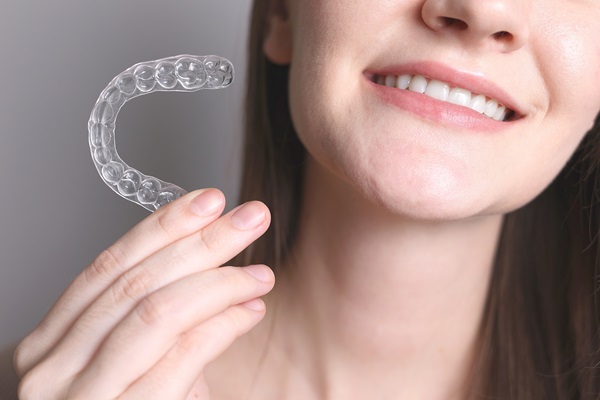
If your oral health challenges call for a full mouth reconstruction, you probably have a lot of questions. There are many reasons why you may feel worried about the upcoming treatments. Many of these treatments are invasive and involved. Fortunately, you can have peace of mind that the dentist has the knowledge and training to restore your smile and the function of your mouth. Depending on your needs, various procedures are available. Your dentist will determine which one makes the most sense.

What the dentist says about good oral health

People should take their dental health as seriously as they do other wellness issues. Sadly, too many people neglect these needs and suffer serious problems with their teeth and gums. A general dentist will advise all patients to have a wellness examination every six months. It is also vital for people to brush at least twice a day and floss daily. Limiting the intake of sugar will also help to prevent tooth decay.

Crowns

When a person does not brush or floss regularly or effectively, severe decay can occur. Untreated, this can develop into an infection and threaten the tooth and gums. For this and other reasons, the general dentist may recommend that the patient gets a crown. This restorative cap covers the entire tooth and protects it from suffering more damage. It stabilizes the tooth and restores its form and ability to chew. Crowns are cemented in place and are usually made of porcelain, ceramic, or composite.

Implants

Sometimes, tooth decay or infections may be so severe that the dentist cannot save the tooth. Dental implants are another type of full mouth reconstruction that can revitalize a person’s smile. This is a multistep process that requires two surgeries and months of recovery and preparation. Implants consist of three parts: a titanium post, an abutment, and a crown. The post acts as the root of the tooth and is embedded deep in the jaw. The crown is a natural-looking artificial tooth, and the abutment connects the crown and post.

Implants are durable and can last well over 20 years. This treatment helps to prevent jaw shrinkage and the change of the face’s shape. Implants allow the person to eat most foods. People with dental implants still need to continue brushing and flossing daily. These habits will extend the life span of the implants and prevent gum disease.

Dentures

Dentures are another tooth-replacement option. Some patients prefer this treatment because it is not as invasive as implants. Dentures can replace all of a patient’s teeth or several missing teeth. It consists of a gum-colored acrylic base and artificial teeth. The teeth are made of a durable material to enable the patient to chew. Having dentures will help the patient speak normally and regain a natural smile.

A full mouth reconstruction is the right option for your needs

full mouth reconstruction offers you the chance to enjoy good health and the appearance you want. If you have lost teeth or have several damaged ones, this could be the right treatment. Your dentist will make sure you feel comfortable with the procedure. Make an appointment today to get started.

Request an appointment here: https://www.mysmilecraft.com or call Smile Craft Dental at (650) 880-1550 for an appointment in our Redwood City office.

Check out what others are saying about our dental services on Yelp: Full Mouth Reconstruction in Redwood City, CA.

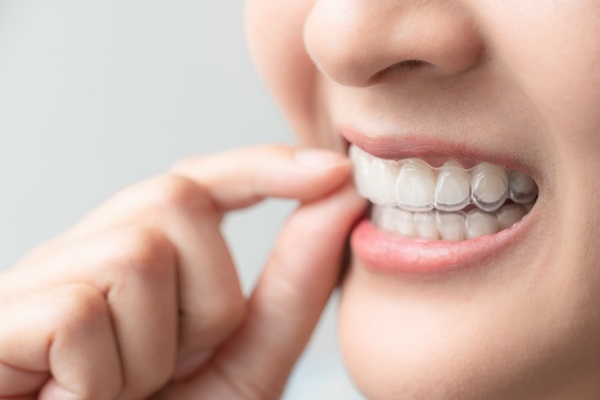
Clear aligners are a discreet way of straightening the teeth. Patients will wear them for 22 hours or more every day. These only come out for cleaning or eating and drinking something other than water. The patient will get a new set of aligners every couple of weeks, and each moves the teeth a bit more. The teeth will eventually be in the correct position.

Issues to correct

The patient will visit a dentist offering clear aligners to see if that is the right option. But the aligners are suitable for straightening crooked teeth to provide a better smile. These can also correct overbites, which happen when the upper teeth overlap the lower ones. That can cause problems with biting and chewing. The good news is that the clear aligners can help the lower and upper teeth fit correctly.

An underbite is the opposite of an overbite. It happens when the lower teeth are in front of the upper ones. If there is an underbite, the teeth might begin to wear down too quickly, and that might affect the patient’s speech. The dentist can use clear aligners to move the lower teeth back a bit. That way, the teeth will sit behind the upper ones correctly.

Open bites are another orthodontic issue. That means the lower and upper teeth do not meet. That can be caused by tongue thrusting or thumb-sucking. The dentist can use clear aligners to move the lower and upper teeth in the correct location.

Other oral issues

Patients might have spacing issues, including gaps between the teeth. That means there is too much room in the mouth. The food might become stuck in these gaps, leading to gum disease and cleaning issues. Closing those gaps can lead to better oral health and a prettier smile.

The opposite of gaps is crowding. It might happen because there is not enough space in the patient’s jaw. It causes the teeth to twist or overlap. If there is not enough space between the teeth, then food could be even harder to get out from there. That leads to plaque and tartar accumulation, leading to gum disease.

Are there any limitations?

Clear aligners can fix a wide range of issues. However, sometimes the dentist will need to use other methods to help the treatment work well. Highly complex cases might require some additional help. That includes:

  • The shape of the teeth, like pegged or round ones
  • Tooth position, such as a highly rotated tooth
  • Teeth that need to be lowered or raised
  • Large gaps
  • Previous dental work, such as bridges or crowns in the mouth

Choose the right clear aligners today

The cost of the treatment will depend on your specific orthodontic issues. The dentist can do an exam and help you decide if you are the right candidate for the procedure. You can get more information from them. Making an appointment with your dentist today is your first step.

Request an appointment here: https://www.mysmilecraft.com or call Smile Craft Dental at (650) 880-1550 for an appointment in our Redwood City office.

Check out what others are saying about our dental services on Yelp: Clear Aligners in Redwood City, CA.

The popularity of Invisalign® has grown as the treatment has proven to produce successful and positive results. Additionally, the treatment process is unlike any other. The actual process is a lot simpler than traditional approaches, and there are benefits that come with Invisalign® too. 

One more important part of Invisalign® treatment is the need to remain disciplined with wearing the actual aligners. Because Invisalign® is removable, wearers are encouraged to keep the actual piece in for 22 hours a day. The only time the aligners should be removed is to eat and for oral hygiene. Keep reading to find out more.  

Oral hygiene during Invisalign® treatment

Below is a quick overview of what one’s oral hygiene routine should look like during the Invisalign® treatment process. This information may be helpful to those wearing Invisalign®.

Brushing

The most important oral hygiene tip to follow is to brush! Of course, this is crucial even outside of Invisalign® treatment. However, it is especially important during teeth straightening because the teeth are constantly shifting, thus resulting in changes in the mouth. Because of the shift that occurs during Invisalign®, the teeth may have more openings in small areas that can hold food debris. This puts the teeth and gums at risk of developing cavities. 

General dentists recommend using a soft or medium-bristled toothbrush twice a day; however, after every meal is also highly recommended. When food debris is immediately removed, there is a lower chance that cavities will develop. 

Flossing

Flossing is just as important as brushing, especially when undergoing Invisalign® treatment. Flossing keeps food debris away from the gums while also ensuring that the teeth stay in good shape too. Generally speaking, flossing can be done once a day; however, with Invisalign® treatment, it is best to do it after eating. The teeth become enclosed by the aligners immediately after eating, which is why flossing is important. Without flossing, any stuck food debris will have time to negatively impact the teeth and gums. 

Rinsing

Rinsing is a big part of maintaining good oral hygiene during Invisalign® treatment. As stated earlier, the teeth and gums become immediately enclosed after eating. Rinsing the mouth after eating can be helpful in removing any excess food debris.

It may not be possible to brush and floss after eating every time, especially if the meal is at a restaurant or at a family member’s home. Rinsing allows for some oral hygiene to be done until brushing and flossing can be done. Water is the best option as it clears the entire oral cavity and washes anything away without harming the teeth and gums, as soda or sugary beverages could. 

Find out more about Invisalign®

It is important to follow the tips that are listed above when undergoing Invisalign® treatment. Without good oral hygiene, wearers put their oral health at risk, which can result in the need for restorative work while also undergoing Invisalign®. To learn more about Invisalign® and the requirements for oral hygiene, reach out today. 

Request an appointment here: https://www.mysmilecraft.com or call Smile Craft Dental at (650) 880-1550 for an appointment in our Redwood City office. 

Check out what others are saying about our dental services on Yelp: Invisalign in Redwood City, CA.

Implant dentistry procedures have the highest rate of success among all the options available for replacing missing teeth. The process of replacing a single missing tooth is straightforward and involves using an implant as artificial tooth roots and supporting it with a dental crown. Continue reading to learn how the process works.

Implant dentistry and tooth replacement

Regardless of the number of teeth to be replaced, the dental implant procedure typically involves three main stages.

1. Preparation

Once the dentist has determined that using dental implants is the right option, they will take digital x-rays and sometimes CT scans to get a complete overview of the patient’s bone structure, density, and supporting tooth structures. If the damaged tooth is still present on the jaw, it will need to be removed before the implants are placed.

2. Placing the implant

The process of placing a single tooth implant takes between 30 minutes to an hour. Patients will be given a local anesthetic to minimize discomfort during the procedure. The dentist will make an incision in the gums to create an access hole for the implant post, which will be inserted into the jawbone. Over the following months, the bone will grow around the implant naturally to hold it in place.

When osseointegration is complete, another procedure will be required to place the abutment, which is the piece that connects the crown to the dental implant. The process is minor and usually done on an outpatient basis. It can be done immediately after placing the implants or weeks later.

3. Placing the crown

The final stage of the implant procedure is to attach the artificial tooth restoration. The dentist will take impressions of the patient’s teeth to fabricate a custom dental crown that blends with the rest of the teeth. Depending on the situation, a temporary or permanent dental crown may be attached, either immediately after inserting the implant or some weeks later.

Modern technology and techniques in implant dentistry allow patients who are getting a single tooth replacement to get an implant and temporary crown in one appointment. This case allows for a seamless treatment, allowing patients to leave the office with a complete smile.

After some weeks, when the jaw has healed sufficiently, and the permanent crown is ready, patients can return for another appointment. The permanent crown can be screw or cement-retained, although the former is usually preferred for hygienic reasons.

Once the permanent crown is in place, patients can perform dental functions as usual. The implant and replacement tooth will function like natural teeth. The only clause is to keep up with oral health routines to keep the mouth healthy.

The benefits of single-tooth implant replacement include:

  • No harm to existing teeth, unlike with a dental bridge
  • Preservation of jawbone structure
  • Better stability and strength
  • Dental implants are indistinguishable from natural teeth

Ready to replace your missing tooth?

Every smile is unique, as is every treatment recommendation. The dentist will consider factors such as oral and overall health, bone density, and position of the lost tooth before recommending implant dentistry. Schedule a consultation today to learn more.

Request an appointment here: https://www.mysmilecraft.com or call Smile Craft Dental at (650) 880-1550 for an appointment in our Redwood City office.

Check out what others are saying about our dental services on Yelp: Implant Dentist in Redwood City, CA.
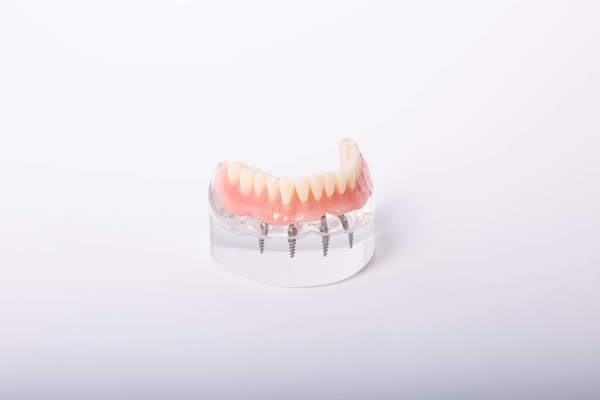
Have you been considering All-on-4® dental implants? Many people are looking for ways to improve their smile and overall appearance but have trouble finding an affordable solution. Fortunately, this happens to be one of them. Dental implants offer an excellent way to get the smile you’ve always wanted without spending a fortune on dental work. One of the most popular types of implant dentistry is the All-on-4 implant because it gives patients back the appearance and function of their natural teeth. Here are four benefits this implant can provide.

Strong and durable

With All-on-4 implants, you can finally have a smile that is as bright and beautiful as ever. These dental implants offer an effective way to get back your natural teeth with just one procedure. This implant system utilizes four titanium screws in place of the traditional two used during typical procedures. The additional support provided by these extra screws means patients will be able to chew their food easily again once they receive all four dentures after treatment has been completed.

Having healthy gums and teeth helps boost self-confidence for many people who may not feel like themselves without them, so it’s nice knowing this popular form of dental care offers plenty of benefits overall.

You’ll experience less pain

These implants are a great way to ensure you won’t experience any additional pain. Since the titanium screws provide more support than traditional dental implants, patients can enjoy eating their favorite foods again without worrying about experiencing severe discomfort or pain afterward.

It’s also nice not having to worry about injections in your gums or other parts of your mouth while getting implants. Fortunately, these procedures reduce discomfort for many people throughout and following implant placement.

You’ll spend less money

All-on-4 denture care is an affordable option for fixing teeth and smiles that have suffered from years of neglect due to health problems, accidents, or genetics. This type of dental care typically costs less because these implants are a popular option for many people.

You can quickly restore your teeth

All four dentures provide patients with beautiful, healthy smiles in just one procedure. These implants are a quick way to restore your teeth and smile.

Ask your dentist, and they will place titanium screws into your jaw that act as artificial tooth roots. Since this implant system provides more support than traditional methods to replace teeth, it’s nice knowing this approach provides plenty of benefits overall.

All-on-4 dental implants offer numerous benefits when compared to traditional procedures used by most doctors today. If you’re looking for implants, please do research and figure out what you may need moving forward with a professional. Over time you may realize that this approach is the thing you need restore your oral health. 

Request an appointment here: https://www.mysmilecraft.com or call Smile Craft Dental at (650) 880-1550 for an appointment in our Redwood City office.

Check out what others are saying about our dental services on Yelp: All-on-4 Dental Implants in Redwood City, CA.

Our Locations
Call Us Today
Comments/Suggestions
Skip to content