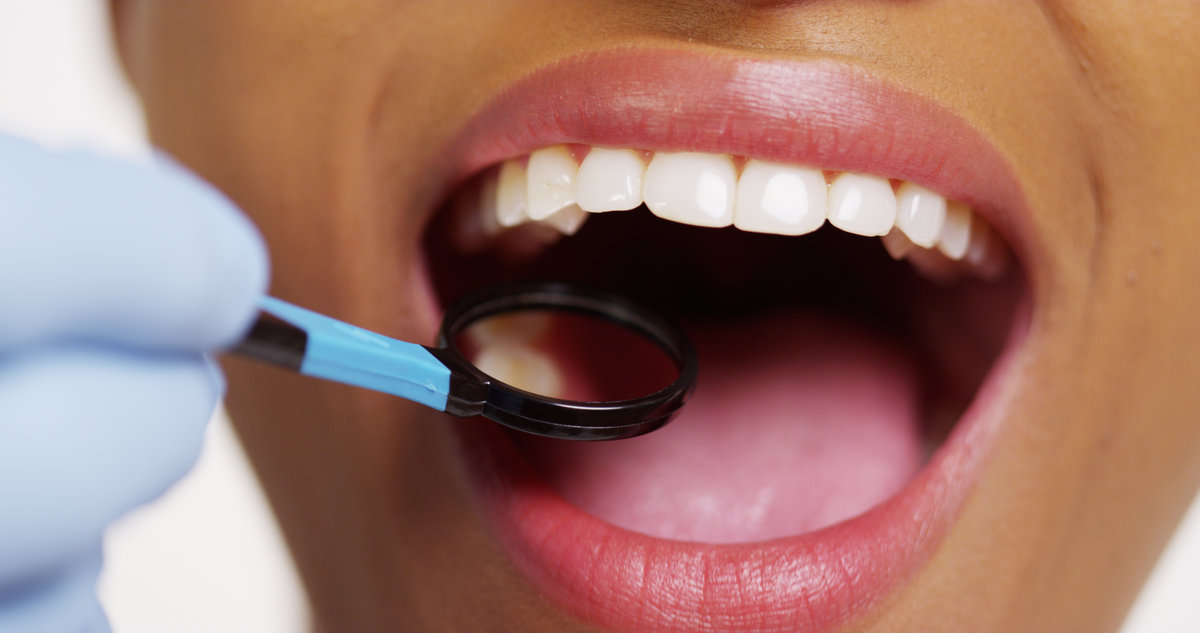
Understanding Airway-Focused Orthodontics
Airway orthodontics represents a fundamental shift in how dental professionals approach tooth and jaw alignment. Rather than focusing solely on creating an ideal bite or aesthetic outcome, this approach prioritizes maintaining or improving the airway space throughout treatment. Think of your airway like a highway: construction that narrows the lanes creates traffic problems regardless of how smooth the pavement becomes. Similarly, orthodontic treatment that reduces airway dimensions can create breathing difficulties even when teeth appear perfectly aligned.
The relationship between orthodontic treatment and airway health has become increasingly clear through recent research. Studies examining the effects of orthodontic treatment on upper airway dimensions have found that certain treatment approaches can significantly affect breathing capacity, particularly in growing children and adolescents. Research published in scientific journals has demonstrated that orthodontic treatment can lead to measurable improvements in craniofacial structure and airway dimensions when approached with these considerations in mind.
Traditional orthodontic methods sometimes involved extracting teeth or retracting the jaw to create space, approaches that could potentially reduce the volume available for the tongue and soft tissues. Airway-focused orthodontics instead emphasizes expansion and forward development, creating adequate space for both proper tooth alignment and unobstructed breathing. This approach aligns with how the human body was designed to function, supporting natural growth patterns rather than constraining them.
“Think of your airway like a highway: construction that narrows the lanes creates traffic problems.”
Signs Your Airway May Need Attention
Several indicators suggest that airway considerations should factor into your orthodontic treatment planning. Chronic mouth breathing stands as one of the most obvious signs, often accompanied by dry lips, frequent thirst, or morning grogginess. Children who snore, experience restless sleep, or demonstrate difficulty concentrating during the day may be dealing with airway restrictions that orthodontic intervention could address.
Adults facing similar issues might attribute their symptoms to stress or aging when the root cause actually relates to jaw position and airway dimensions. Dark circles under the eyes, forward head posture, or a history of grinding teeth can all point toward airway insufficiency. Even patients who have previously completed orthodontic treatment may benefit from reassessment if they experience these symptoms, as airway issues can develop or worsen over time.
The connection between general dental health and breathing function extends beyond obvious respiratory symptoms. Patients with narrow palates, crowded teeth, or a recessed jaw often face an increased risk of sleep-disordered breathing. Early identification and intervention can prevent these issues from progressing into more serious conditions.
“Early identification and intervention can prevent issues from progressing into serious conditions.”
Treatment Approaches That Support Healthy Airways
Modern airway orthodontics employs several treatment modalities designed to optimize breathing while achieving ideal dental alignment. Palatal expansion represents one cornerstone approach, gently widening the upper jaw to create more space for the nasal passages and tongue. This expansion not only provides room for crowded teeth but also reduces nasal resistance and improves oxygen intake.
Functional appliances work by positioning the lower jaw forward, which naturally pulls the tongue away from the back of the throat. These devices prove particularly effective during growth phases when the jaw can be guided into positions that support long-term airway health. The timing of intervention matters significantly, with earlier treatment often yielding more dramatic improvements in facial development and breathing capacity.
For patients seeking less visible options, modern cosmetic orthodontic approaches have evolved to incorporate airway considerations. Clear aligner systems can be designed with expansion protocols that gradually widen the dental arches while maintaining aesthetic appeal. Three-dimensional imaging technology allows practitioners to visualize treatment outcomes before beginning, ensuring that proposed changes will enhance rather than compromise airway dimensions.
“This approach supports natural growth patterns rather than constraining them.”
Check out what others are saying about our dental services on Yelp: Smile Craft Dental in Redwood City, CA
The Role of Comprehensive Assessment
Proper diagnosis forms the foundation of successful airway orthodontics. Advanced imaging techniques provide detailed views of airway dimensions, jaw relationships, and soft tissue positions. Cone beam computed tomography offers three-dimensional visualization of the upper airway, allowing practitioners to identify restrictions that traditional X-rays might miss. Sleep studies can reveal how airway dimensions translate to real-world breathing during rest.
Research has shown that improvements in craniofacial morphology through orthodontic treatment can lead to favorable changes in airway dimensions and craniocervical posture. A comprehensive assessment considers not just current symptoms but also how proposed treatments might affect breathing patterns years into the future.
The evaluation process examines multiple factors, including the following:
- Nasal breathing capacity and any obstructions present
- Tongue size, position, and range of motion
- Soft palate length and position during rest and swallowing
- Jaw relationships in multiple dimensions
- Historical growth patterns and predicted future development
Following assessment, an individualized treatment plan addresses identified concerns while working toward optimal function and aesthetics. This integrated approach recognizes that every patient presents unique anatomical features and breathing challenges requiring customized solutions.
“Every patient presents unique anatomical features and breathing challenges.”
Advanced Technology Supporting Better Outcomes
Digital treatment planning has revolutionized how practitioners approach airway orthodontics. Computer modeling allows visualization of how different treatment approaches will affect both dental alignment and airway space. This predictive capability helps ensure that chosen interventions support breathing while achieving desired cosmetic results.
Intraoral scanning eliminates the need for traditional impressions while providing highly accurate digital models. These scans can be repeated throughout treatment to monitor progress and make adjustments as needed. The precision of digital workflows translates to better-fitting appliances and more predictable outcomes.
Three-dimensional printing technology enables the fabrication of custom appliances tailored to each patient’s anatomy. These personalized devices can target specific areas requiring expansion or repositioning, maximizing treatment efficiency. Patients requiring restorative solutions alongside orthodontic work benefit from coordinated planning that addresses all aspects of oral health.
“Digital treatment planning has revolutionized how practitioners approach airway orthodontics.”
Questions Answered on This Page
Q. What is airway-focused orthodontics?
Q. What signs indicate your airway may need attention?
Q. What treatment approaches support healthy airways?
Q. What is the role of comprehensive assessment?
Q. How does advanced technology support better outcomes?
People Also Ask
Q. What does the dentist look for in a dental examination?
Q. Who is the right patient for a dental restoration?
Q. What additional treatments are available at a general dentist?
Q. What are the benefits of an FSA?
| Breathe better, sleep better in Sunnyvale — book your airway orthodontics evaluation today. | Request an Appointment |
Frequently Asked Questions About Airway Orthodontics
What makes airway orthodontics different from traditional orthodontics?
A. Airway orthodontics prioritizes maintaining or improving airway space throughout treatment, rather than focusing solely on creating an ideal bite or aesthetic outcome. This approach emphasizes expansion and forward development to create adequate space for both proper tooth alignment and unobstructed breathing.
Can airway orthodontics help with sleep apnea?
A. Yes, airway-focused orthodontic treatment can address structural issues contributing to sleep-disordered breathing. By expanding the upper jaw, positioning the lower jaw forward, and creating more space for the tongue and soft tissues, treatment can improve airflow and reduce sleep apnea symptoms.
What is palatal expansion and how does it help breathing?
A. Palatal expansion gently widens the upper jaw to create more space for the nasal passages and tongue. This expansion not only provides room for crowded teeth but also reduces nasal resistance and improves oxygen intake, supporting better breathing function.
At what age is airway orthodontics most effective?
A. Earlier treatment during growth phases often yields more dramatic improvements in facial development and breathing capacity. However, adults can also benefit from airway-focused orthodontics. The timing of intervention matters significantly, with comprehensive assessment determining the optimal approach for each individual.
What diagnostic tools are used to assess airway health?
A. We use advanced imaging techniques including cone beam computed tomography for three-dimensional visualization of the upper airway, digital imaging, photographs, bite analysis, and 3D imaging technology. These tools provide detailed views of airway dimensions, jaw relationships, and soft tissue positions.
Can clear aligners be used for airway orthodontics?
A. Yes, modern clear aligner systems can be designed with expansion protocols that gradually widen the dental arches while maintaining aesthetic appeal. Three-dimensional imaging technology allows practitioners to visualize treatment outcomes, ensuring proposed changes will enhance rather than compromise airway dimensions.
Experience Comprehensive Orthodontic Care at Smile Craft Dental
Understanding the intricate connection between orthodontics and breathing represents just the beginning of your journey toward optimal oral health. At Smile Craft Dental in Sunnyvale, the focus extends beyond temporary fixes to create lasting improvements in both function and appearance. The experienced team brings together advanced training, state-of-the-art technology, and a genuine commitment to patient well-being, ensuring you receive care that addresses your complete health picture rather than just isolated dental concerns.
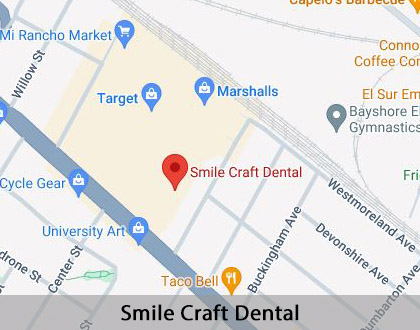
 Scan here to view this page on mobile



Dental Terminology
Dental CariesDental caries are also known as cavities and result from a lack of proper oral hygiene leaving plaque that forms tiny holes in the teeth.
Dental FillingA dental filling involves restoring the structure of the tooth by using metal, alloy, porcelain or plastic to fill the tooth.
Dental SealantsDental sealants contain a resinous material that we apply to the chewing surfaces of the posterior teeth to prevent dental caries.
GingivitisGingivitis is the inflammation of gum tissue that results from plaque, other infections in the mouth and poor oral hygiene.
Transform Your Dental Health and Quality of Life
Your airway health deserves the same attention and expertise as any other aspect of your orthodontic treatment. Whether you’re considering treatment for yourself or your child, a thorough evaluation can reveal opportunities to enhance breathing while achieving the smile you’ve always wanted. Contact Smile Craft Dental today to schedule a comprehensive consultation and discover how airway-focused orthodontics can transform both your dental health and your quality of life. Call us at (650) 880-1550.
Helpful Related Links
- National Library of Medicine. Airway Dimensions and Craniocervical Posture. 2024
- American Dental Association (ADA). Glossary of Dental Clinical Terms. 2024
- American Academy of Cosmetic Dentistry® (AACD). Home Page.
2024 - WebMD. WebMD’s Oral Care Guide. 2024
About our business, license, and website security
- Smile Craft Dental was established in 2019.
- We accept the following payment methods: American Express, Cash, Check, Discover, MasterCard, and Visa
- We serve patients from the following counties: San Mateo County and Santa Clara County
- We serve patients from the following cities: Redwood City, San Carlos, Atherton, Redwood Shores, Menlo Park, Woodside, Palo Alto, East Palo Alto, Belmont, and San Mateo
- Norton Safe Web. View Details
- Trend Micro Site Safety Center. View Details

Back to top of Airway Orthodontics in Sunnyvale, CA