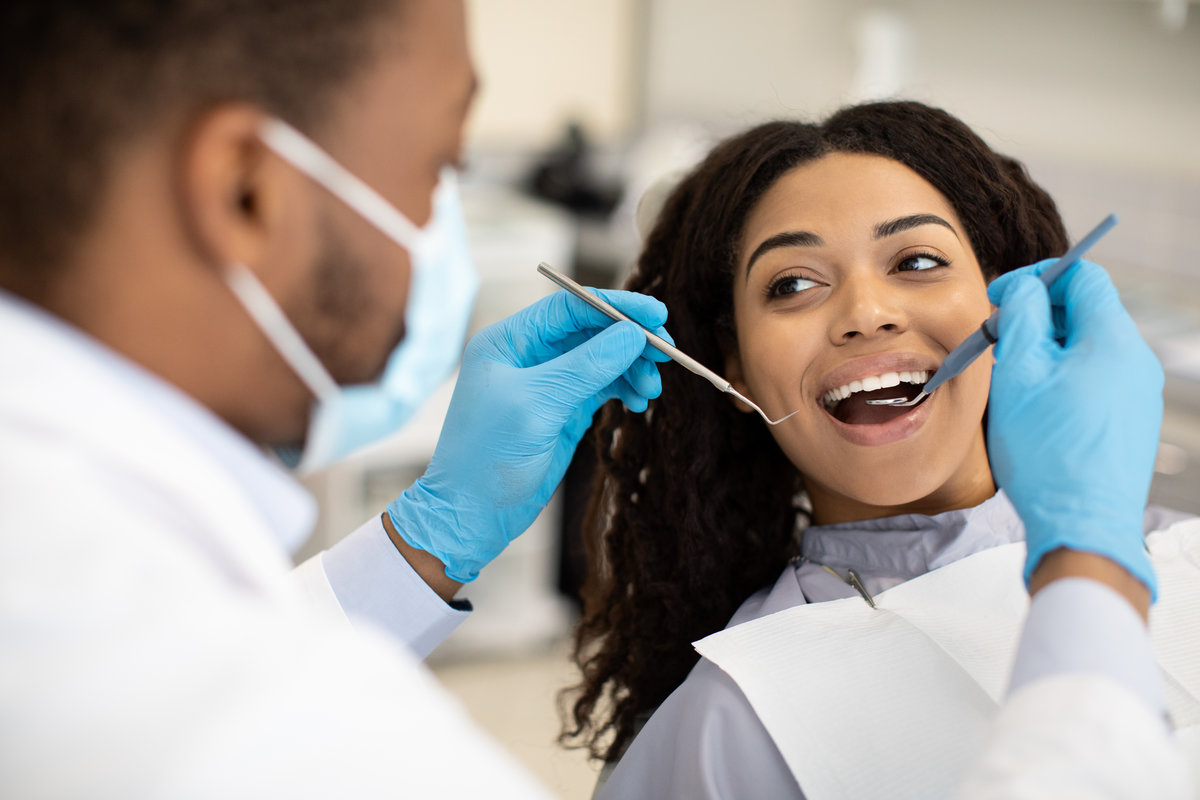
What Happens During an Oral Cancer Screening
Oral cancer screening involves a comprehensive examination of your mouth, throat, and surrounding tissues. Your dentist looks for any abnormalities, including white or red patches, unusual lumps, sores not healing properly, and changes in tissue texture. Think of it like a routine home inspection: you may not notice a small crack in the foundation, but a trained professional can spot potential problems before they become major issues.
During the examination, we will carefully check all areas of your oral cavity, including your lips (both inside and out), gums, tongue (top, bottom, and sides), the roof and floor of your mouth, and the back of your throat. We’ll also examine the tissues in your cheeks and feel the lymph nodes in your neck for any unusual swelling or tenderness. This comprehensive approach ensures that no area is left unexamined, providing thorough coverage of all potential problem areas.
The screening typically takes just a few minutes during your regular dental checkup. At Smile Craft Dental, we use enhanced diagnostic tools to identify concerns the human eye might miss. This technology acts as a second set of highly trained eyes, color-coding and measuring suspicious areas for more accurate assessment.
Why Regular Oral Cancer Screenings Matter
The best oral cancer screening in Sunnyvale catches problems at their earliest, most treatable stages. When oral cancer is detected early, treatment options are more effective and less invasive. However, many people skip these screenings because they feel fine or assume their risk is low.
Approximately 54,540 people are diagnosed with oral cavity or oropharyngeal cancers each year in the United States. The five-year survival rate for these cancers when caught early can be as high as 84%, but drops significantly when diagnosed at later stages. These statistics underscore why proactive screening matters so much. The difference between early and late detection can be life-changing, affecting not just survival rates but also the complexity of treatment required and your quality of life.
Several factors may increase your risk of developing oral cancer, including tobacco use in any form, heavy alcohol consumption, prolonged sun exposure to your lips, a history of HPV infection, and a weakened immune system. Even if none of these apply to you, regular screenings are essential because oral cancer can develop in anyone. Age also plays a role, with most oral cancers occurring in people over 40, though cases in younger individuals are increasing, particularly those linked to HPV.
Signs Worth Discussing With Your Dentist
Between your dental visits, staying aware of changes in your mouth helps you catch potential concerns early. Watch for the following warning signs:
- Sores or ulcers not healing within two weeks
- Unexplained numbness in your mouth, lips, or face
- Difficulty chewing, swallowing, or moving your jaw
- Persistent hoarseness or changes in your voice
- White or red patches inside your mouth
- A lump or thickening in your cheek
If you notice any of these symptoms, schedule an appointment promptly. Most of these changes result from benign conditions, but getting them checked provides valuable reassurance.
How Often Should You Get Screened
Most dental professionals recommend oral cancer screening at least once per year during your routine dental examination. If you have higher risk factors, your dentist may suggest more frequent screenings. The quick, painless nature of these exams makes them easy to incorporate into your regular dental care routine.
For patients with a history of oral cancer or precancerous lesions, more frequent screenings may be appropriate. Your individual screening schedule should reflect your unique risk profile, medical history, and any concerning symptoms you’ve experienced. During your appointment, we discuss your personal risk factors to recommend the optimal screening frequency for your situation.
What Happens If Something Looks Abnormal
Finding an unusual spot during screening does not automatically mean cancer. Many oral abnormalities turn out to be harmless. If we identify a concerning area, we may recommend monitoring it for changes, performing additional tests, or referring you to a specialist for further evaluation. Early intervention, regardless of the diagnosis, leads to better outcomes.
Schedule Your Oral Cancer Screening at Smile Craft Dental
Your oral health deserves the same proactive attention you give to the rest of your body. Smile Craft Dental provides trusted oral cancer screening in Sunnyvale with the compassion and thoroughness you deserve. Our practice uses cutting-edge technology, including advanced diagnostic tools and 3D imaging, to deliver comprehensive care in a welcoming environment. We accept most major insurance plans and offer flexible payment options through our membership program for patients without coverage.
Taking control of your health starts with a simple appointment. Our caring team listens to your concerns and provides the personalized attention every patient deserves. Contact Smile Craft Dental today to schedule your oral cancer screening and take an important step toward protecting your long-term health.
Questions Answered on This Page
Q. How frequently should I get an oral cancer screening?
Q. Am I at high risk for developing oral cancer?
Q. What are the limits of oral cancer screenings?
Q. What can I expect during my oral cancer screening?
Q. Are there any additional tests after oral cancer screenings?
People Also Ask
Q. What should be included in an at home oral health routine?
Frequently Asked Questions
Q. Do oral cancer screenings hurt?
A.There is little to no discomfort involved with oral cancer screenings. However, this may not be the case in treating advanced oral cancer.
Q. What are the warning signs of oral cancer?
A.In addition to possessing certain risk factors, patients should see a dentist immediately if they notice the following:
- Changes in denture fit
- Difficulty or discomfort swallowing
- Diminished ability to perform normal oral functions (such as chewing, opening jaw, swallowing)
- Mouth sores or ulcers, especially if they bleed easily or do not heal
- Pain and tenderness in teeth or gums
- Red or white patches in the mouth
- Unexplained lump in the neck, throat, or floor of the mouth
- Unexplained swelling or fullness in the neck
- Visible changes in the mouth tissue
Q. Which parts of the body can be affected by oral cancer?
A.Any part of the mouth can be affected by oral cancer. There are two categories of oral cancer: those that affect the oral cavity (lips, teeth, gums, front two-thirds of the tongue, floor and roof of the mouth, and inside of the lips and cheeks) and those that affect the oropharynx (middle region of the throat, including tonsils and the base of the tongue).
Q. How can I decrease my chances of getting oral cancer?
A.As of yet, there are no proven ways of completely preventing oral cancer. However, a general healthful lifestyle may help minimize your chances. Reducing your alcohol consumption, along with stopping or avoiding any tobacco use, may prevent exposing the cells in the mouth to any dangerous chemicals. Keeping an everyday sun protection regimen that involves putting sunscreen on your lips can also help, as can regular dental checkups.
Q. What are the stages of oral cancer?
A.There are four stages of oral cancer. In stage 1 oral cancer, the tumor is at or under 2 centimeters in size, and the cancer has not spread to the lymph nodes. In stage 2 oral cancer, the tumor is at or under 4 centimeters in size, and the cancer has not spread to the lymph nodes. In stage 3 oral cancer, the tumor could be larger than 4 centimeters but not spread to the lymph nodes. Alternatively, the tumor has spread to one lymph node but not any other parts of the body. In stage 4 oral cancer, the tumor can be any size, and the cancer has spread to other parts of the body. Oral cancer screenings can catch “stage 0” cancer when cells have yet to become cancerous. Cancers caught in the earliest stages have the highest five-year survival rates.
 Scan here to view this page, Oral Cancer Screening, on mobile

Dental Terminology
Dental ProphylaxisA dental prophylaxis is a thorough cleaning procedure that involves preventing the spread or continued growth of periodontal disease and gingivitis.
GingivitisGingivitis is the inflammation of gum tissue that results from plaque, other infections in the mouth and poor oral hygiene.
Oral MucosaThe oral mucosa is the mucous membrane that lines the inside of the mouth consisting of oral epithelium and lamina propria.
Precancerous LesionsPrecancerous lesions are morphologically altered tissue that has a high probability of causing oral cancer to occur in those specific spots.
Helpful Related Links
- American Dental Association (ADA). Glossary of Dental Clinical Terms. 2023
- American Academy of Cosmetic Dentistry® (AACD). Home Page.
2023 - WebMD. WebMD’s Oral Care Guide. 2023
About our business, license, and website security
- Smile Craft Dental was established in 2019.
- We accept the following payment methods: American Express, Cash, Check, Discover, MasterCard, and Visa
- We serve patients from the following counties: San Mateo County and Santa Clara County
- We serve patients from the following cities: Redwood City, San Carlos, Atherton, Redwood Shores, Menlo Park, Woodside, Palo Alto, East Palo Alto, Belmont, and San Mateo
- Norton Safe Web. View Details
- Trend Micro Site Safety Center. View Details

Back to top of Oral Cancer Screening