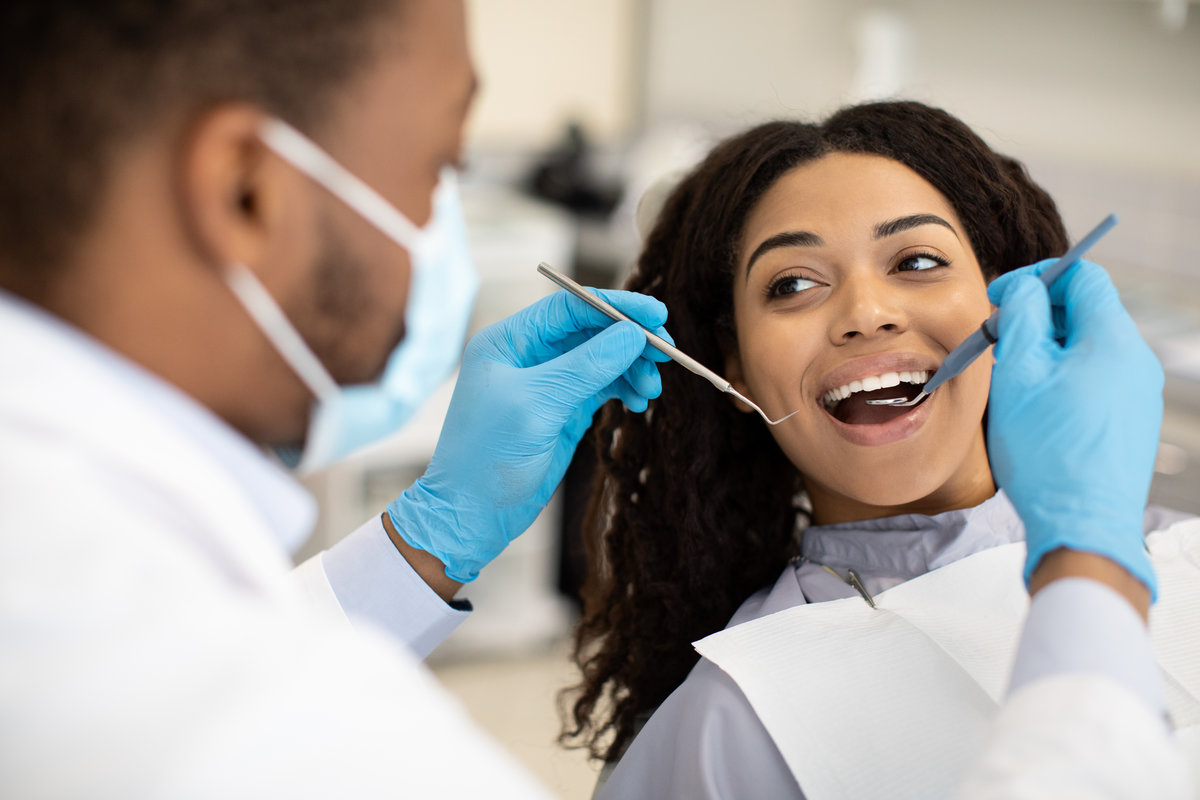
What Is Dental Bonding and How Does It Work
Dental bonding involves applying a malleable composite resin directly to your tooth’s surface. Your dentist selects a shade matching your natural teeth, then shapes and sculpts the material to correct imperfections. A special curing light hardens the resin, and final polishing creates a seamless blend with your surrounding teeth.
The entire process typically takes 30 to 60 minutes per tooth. Unlike dental veneers or crowns, bonding usually requires minimal enamel removal. This conservative approach preserves more of your natural tooth structure while still achieving dramatic improvements. Think of it like sculpting clay onto your tooth, where your dentist acts as both artist and technician.
Common Issues Dental Bonding Can Fix
Trusted dental bonding in Sunnyvale addresses a wide range of cosmetic and minor structural concerns. Chips and cracks from everyday accidents find quick repair through bonding. Small gaps between teeth close without orthodontic treatment. Discolored teeth resistant to whitening gain new brightness. Teeth appearing too short receive added length and proportion.
Beyond cosmetics, bonding protects exposed tooth roots from sensitivity. When gums recede and leave roots vulnerable, composite resin creates a protective barrier. This dual function makes bonding both a restorative and cosmetic treatment, depending on your needs.
Benefits of Choosing Dental Bonding
Speed and convenience top the list of advantages. Most bonding procedures finish in one visit, unlike veneers or crowns requiring multiple appointments and laboratory work. The procedure involves minimal discomfort, often needing no anesthesia unless decay treatment accompanies the bonding.
Cost-effectiveness makes bonding accessible to more patients. When compared to porcelain veneers, bonding offers significant savings while still delivering noticeable improvements. The treatment also remains reversible since minimal enamel removal means future options stay open if you later decide on different cosmetic procedures.
What to Expect During Your Bonding Appointment
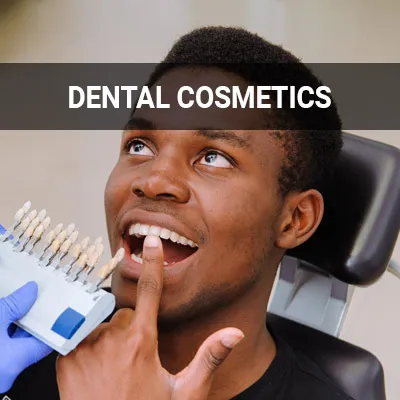
Your appointment begins with shade selection. Using a color guide, your dentist matches the composite resin to your natural teeth for invisible results. Next comes tooth preparation, where the surface receives light etching and a conditioning liquid to help the bonding material adhere properly.
Application follows preparation. Your dentist places the putty-like resin onto the tooth, molding and smoothing it into the desired shape. Once satisfied with the form, they use an ultraviolet light or laser to harden the material. Final touches include trimming excess, shaping edges, and polishing until the bonded area matches your tooth’s natural sheen. According to the Cleveland Clinic, the bonding material hardens in just seconds under curing light.
Caring for Your Bonded Teeth
Bonded teeth require the same care as natural teeth, with a few additional considerations. Brush twice daily with non-abrasive toothpaste and floss regularly. Avoid biting hard objects like ice, pen caps, or fingernails, as composite resin chips more easily than natural enamel.
Coffee, tea, red wine, and tobacco may stain bonding material over time. While modern composites resist staining better than earlier versions, conscious consumption helps maintain brightness. Regular dental checkups allow your dentist to polish and touch up bonded areas as needed.
How Long Does Dental Bonding Last
With proper care, dental bonding typically lasts three to ten years before needing repair or replacement. Longevity depends on location, extent of bonding, and individual habits. Front teeth, used mainly for biting, may see longer-lasting results than molars handling heavy chewing forces.
Touch-ups and repairs happen quickly when needed. Unlike more extensive restorations requiring complete replacement, bonding allows easy additions or modifications. This flexibility makes maintaining your smile simpler over time.
Is Dental Bonding Right for You
Ideal candidates have minor cosmetic concerns they want addressed quickly and affordably. Healthy teeth and gums provide the best foundation for successful bonding. Patients with extensive damage, severe misalignment, or significant bite issues may benefit more from alternative treatments like smile makeovers or dental crowns.
During your consultation, your dentist evaluates your teeth, discusses your goals, and recommends the most appropriate treatment. Sometimes bonding serves as one component of a comprehensive cosmetic plan, working alongside whitening or other procedures.
Questions Answered on This Page
Q. Who is the right patient for dental bonding?
Q. What are the benefits of dental bonding?
Q. What happens during the dental bonding process?
Q. What are the possible risks associated with dental bonding?
People Also Ask
Q. What are the benefits of composite fillings?
Q. Why should I wear a mouth guard while playing sports?
Q. How can cosmetic dentistry restore teeth?
Q. Why is it important to find the right general dentist?
Q. How can someone find out what procedures their dental insurance covers?
Schedule Your Dental Bonding Consultation in Sunnyvale
Smile Craft Dental holds itself to the highest standards in cosmetic dentistry. We invest in the latest technology and never stop learning, bringing advanced techniques directly to our Sunnyvale patients. Our team listens carefully to your concerns and communicates clearly about your options, building trust through transparency and honest recommendations.
Every cosmetic transformation at our practice begins with a genuine connection. When patients see their bonding results for the first time, watching their faces light up reminds us why we chose this work. Whether you want to repair a single chipped tooth or refresh your entire smile, we welcome you to experience what makes our care different. Contact our team today to schedule your consultation. Learn more about our practice and discover why patients throughout the Bay Area trust us with their smiles.
Frequently Asked Questions
Q. How does dental bonding compare to veneers?
A.Veneers are thin, tooth-colored shells that are customized to cover the front of a tooth to mask imperfections. The porcelain material of veneers is more stain-resistant and durable than the resin of dental bonding. However, veneers are an irreversible procedure and often take more time than dental bonding, which is often quicker and easier to repair. Our dentist will help determine which restoration is the best fit for each patient’s dental needs.
Q. How much does dental bonding cost?
A.The cost of dental bonding will vary based on the location, the extent of the procedure, and the patient’s insurance provider. While some dental insurance plans may cover this procedure, every plan is different. Patients should contact their insurance provider before seeking treatment.
Q. What is the lifespan of a dental bonding?
A.The lifespan of a dental bonding is between five to 10 years. Patients can help extend the life of a bonded tooth by taking care of their teeth properly. Maintenance tips include brushing twice a day and flossing every day, not biting hard foods or objects, and scheduling regular dental check-ups.
Q. Can bonded teeth be whitened?
A.The resin used in bonding can experience discoloration over time. Most bonding materials are nonporous and will not respond to whitening. Patients should avoid foods and beverages that cause surface stains like coffee or tea.
Q. Are dental bondings removable?
A.Our dentist can safely remove dental bondings. Unlike other dental restoration procedures like dental veneers, which are permanent, dental bondings are reversible. Our dentist may remove the bondings with sandpaper disks, a carbide drill, or a micro-etcher.
 Scan here to view this page, Dental Bonding, on mobile
Dental Terminology
Dental CariesDental caries are also known as cavities and result from a lack of proper oral hygiene leaving plaque that forms tiny holes in the teeth.
Dental FillingA dental filling involves restoring the structure of the tooth by using metal, alloy, porcelain or plastic to fill the tooth.
Dental SealantsDental sealants contain a resinous material that we apply to the chewing surfaces of the posterior teeth to prevent dental caries.
GingivitisGingivitis is the inflammation of gum tissue that results from plaque, other infections in the mouth and poor oral hygiene.
Helpful Related Links
- American Dental Association (ADA). Glossary of Dental Clinical Terms. 2023
- American Academy of Cosmetic Dentistry® (AACD). Home Page.
2023 - WebMD. WebMD’s Oral Care Guide. 2023
About our business, license, and website security
- Smile Craft Dental was established in 2019.
- We accept the following payment methods: American Express, Cash, Check, Discover, MasterCard, and Visa
- We serve patients from the following counties: San Mateo County and Santa Clara County
- We serve patients from the following cities: Redwood City, San Carlos, Atherton, Redwood Shores, Menlo Park, Woodside, Palo Alto, East Palo Alto, Belmont, and San Mateo
- Norton Safe Web. View Details
- Trend Micro Site Safety Center. View Details

Back to top of Dental Bonding