What Are Inlays and Onlays?
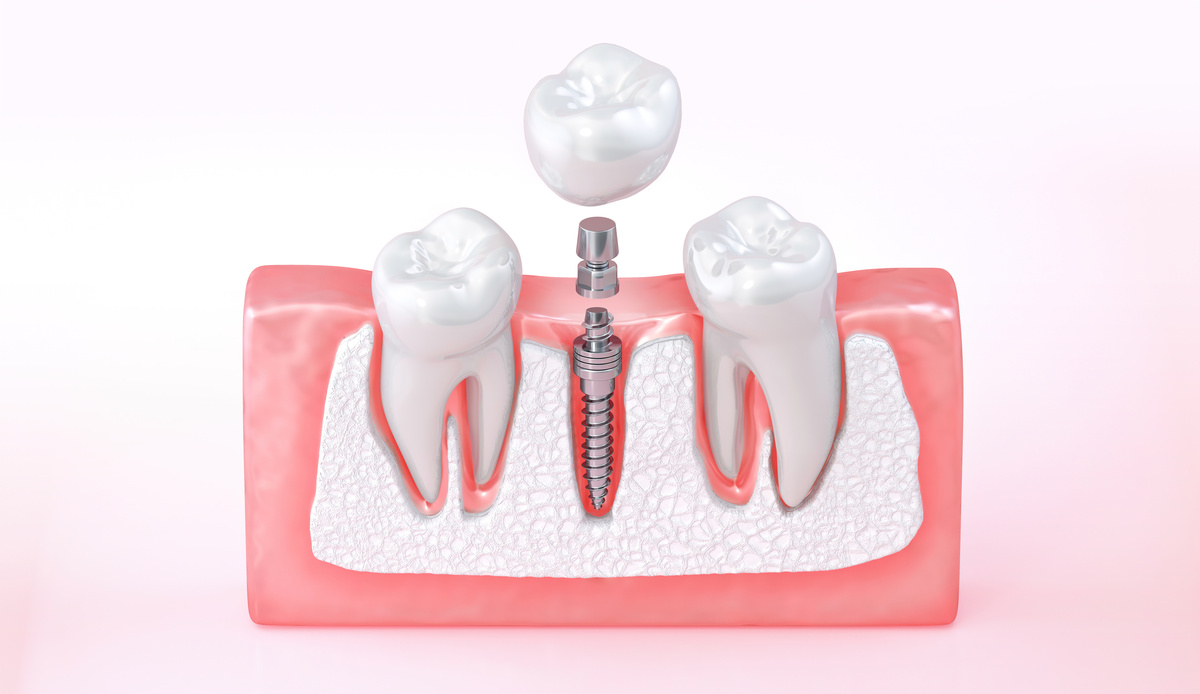
Inlays and onlays are sometimes called indirect fillings because they are fabricated outside the mouth and then bonded to the tooth. Think of an inlay as a puzzle piece. It fits within the grooves of a tooth between the cusps, restoring areas damaged by decay or injury. An onlay covers a larger surface and extends over one or more of the tooth’s cusps. This makes onlays ideal when damage is too extensive for a filling but not severe enough to warrant a crown.
These restorations can be made from porcelain, composite resin, or gold. Porcelain and composite materials match the color of your natural teeth, making them popular choices for visible teeth. The best inlays and onlays in Sunnyvale are crafted to blend seamlessly with your smile while restoring full chewing function.
“An onlay is considered a more effective option for patients who have large cavities or the decayed area expands over the top of the tooth.”
When You May Need an Inlay or Onlay
Your dentist may recommend an inlay or onlay when a tooth has moderate damage or decay. Crowns can strengthen teeth with large cavities when there is not enough healthy tooth to hold a filling, and they can also attach dental bridges or protect weakened teeth, according to the American Dental Association. However, when the damage falls between what a filling can handle and what requires a crown, an inlay or onlay becomes the ideal middle ground.
Signs you may benefit from this treatment include teeth with old, failing fillings, cracked or fractured teeth not affecting the entire structure, and teeth weakened by large fillings. An onlay can reinforce the tooth’s structure and prevent further breakdown, while an inlay restores the inner portion when the cusps remain intact.
“Inlays are formulated using an impression of the cavity and are fabricated to the exact size and shape of the cavity as opposed to being filled in.”
Benefits of Choosing Inlays and Onlays
Selecting inlays and onlays over other restorations offers several advantages worth considering. First, they preserve more of your natural tooth structure compared to crowns, which require removing more enamel. Second, custom fabrication means an exact fit, reducing the risk of bacteria entering between the restoration and the tooth. Third, materials like porcelain resist staining and wear, maintaining their appearance over time.
Unlike direct fillings, inlays and onlays do not shrink or weaken the tooth. They actually add strength because the material is bonded to the tooth surface. This durability can mean fewer dental visits for repairs down the road.
“The key distinguishing factor a dentist will use to determine the right choice for a patient is the size of the cavity.”
The Treatment Process
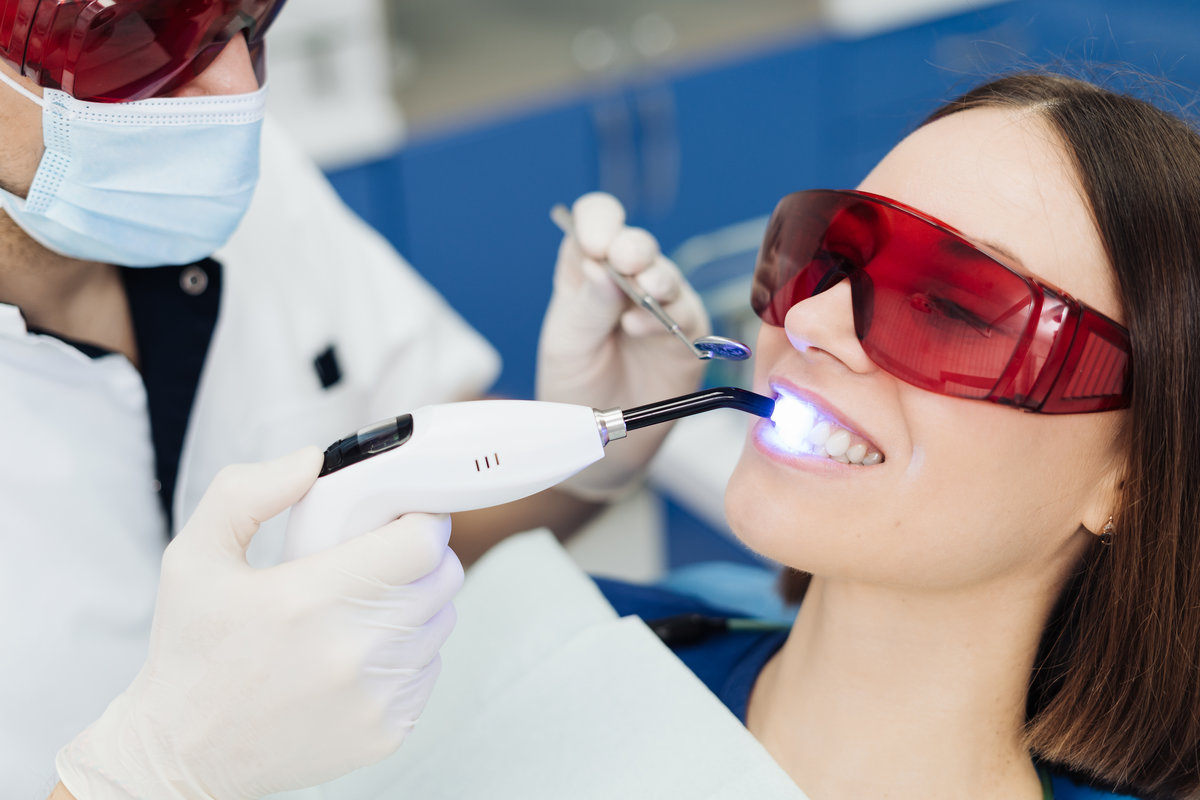
Getting an inlay or onlay typically requires two appointments. During the first visit, your dentist removes the damaged or decayed portion of the tooth and takes precise impressions. These impressions guide the creation of your custom restoration, ensuring an exact fit. A temporary filling protects the tooth while your permanent inlay or onlay is being made.
At the second appointment, the temporary filling is removed, and the restoration is checked for fit and bite alignment. Once everything looks correct, your dentist bonds the inlay or onlay to your tooth using a strong adhesive. The result is a seamless restoration that looks and functions like a natural tooth.
“Before an inlay treatment, the dentist removes all bacteria from inside the tooth and throughout the hole, attaining a higher level of oral hygiene.”
Questions Answered on This Page
Q. What is the difference between an inlay and an onlay?
Q. Should I get an inlay or a filling?
Q. Should I get an onlay or a crown?
Q. What are the key benefits of inlays and onlays?
People Also Ask
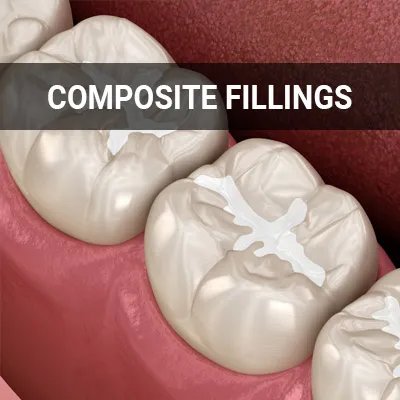
Q. What are composite fillings?
Q. How can cosmetic dentistry restore teeth?
Q. How can a person’s diet help with tooth decay?
Q. How do lifestyle choices affect dental health?
Q. What should patients do if they have sensitive teeth?
Q. How can someone find out what procedures their dental insurance covers?
Caring for Your Restoration
Maintaining your inlay or onlay is similar to caring for your natural teeth. Brush twice daily, floss once daily, and attend regular dental checkups to ensure everything remains in good condition. Avoid chewing on hard objects like ice or pen caps, and let your dentist know if you grind your teeth so protective measures can be discussed.
With proper care, inlays and onlays can last a decade or longer. Their durability and natural appearance make them a worthwhile investment in your oral health.
Frequently Asked Questions about Inlays and Onlays
Q. Does insurance cover inlays and onlays?
A.Inlays and onlays are considered specialty cosmetic treatments. Patients should speak with their insurance provider to understand coverage regarding these treatments before initiating a consultation.
Q. Can inlays and onlays break or fall off?
A.As with fillings, poor oral hygiene and maintenance can cause an inlay or onlay to break or fall off. Although they are much more durable, patients should take the necessary measures to maintain the quality of the inlay or onlay. The dentist will instruct the patient on how to care for their teeth going forward after their treatment.
Q. Is it safe to remove all of my fillings and replace them with inlays?
A.In most cases, yes. Inlays have essentially the same function as fillings in that they “fill in” a hole left by a cavity, but they are much more durable and are tooth-colored. However, in some cases, the cavity or hole is too large and may cause bleeding, in which case the dentist will likely recommend an onlay or crown.
Q. Do inlays and onlays require additional care?
A.Inlays and onlays are long-lasting restorations and are meant to last. They do not need specific care but regular maintenance as with the rest of your teeth. Oral hygienic habits, such as proper brushing twice a day, flossing, rinsing, and regular dental check-ups and cleanings should keep your inlays and onlays intact and well-kept.
Q. Is there anything I cannot eat or drink after inlay/onlay treatment?
A.As with temporary fillings, patients should avoid sticky or hard foods that could damage or break a temporary inlay or onlay. Once the permanent is placed in, you may resume normal eating, drinking, brushing, and flossing. Inlays and onlays are made to be as close to your natural teeth as possible and should not affect your eating or drinking habits.
Schedule an Appointment With Smile Craft Dental
Smile Craft Dental welcomes patients throughout the Sunnyvale area who want compassionate, patient-centered care. Our team uses advanced dental technology and stays current with continuing education to bring you the best possible outcomes. We accept most major insurance plans and offer a membership plan for patients without coverage. Spanish-speaking staff members are available to help you feel comfortable throughout your visit.
Restoring a damaged tooth does not have to mean sacrificing its natural structure. Inlays and onlays offer a conservative path to a healthy, beautiful smile. To learn more about whether this treatment is right for you, reach out to our team through our contact page.
 Scan here to view this page, Dental Inlays and Onlays, on mobile
Dental Terminology
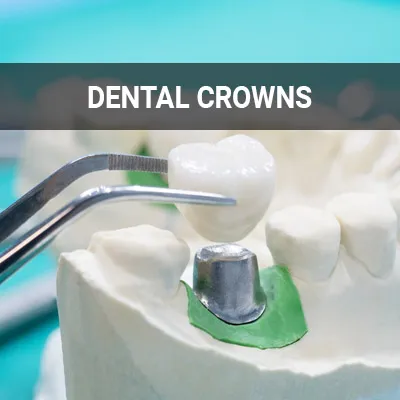
Dental CrownA crown is an artificial tooth, usually consisting of porcelain, which covers the top of the implant to provide people with an aesthetically pleasing and fully-functional tooth.
Dental InlayA dental inlay is a filling created outside of the mouth to restore a tooth affected by a cavity in the center, but not around the cusps.
DentistA dentist, also known as a dental surgeon, is a doctor who specializes in the diagnosis, prevention, and treatment of diseases and conditions of the oral cavity.
Helpful Related Links
- American Dental Association (ADA). Glossary of Dental Clinical Terms. 2023
- American Academy of Cosmetic Dentistry® (AACD). Home Page.
2023 - WebMD. WebMD’s Oral Care Guide. 2023
About our business, license, and website security
- Smile Craft Dental was established in 2019.
- We accept the following payment methods: American Express, Cash, Check, Discover, MasterCard, and Visa
- We serve patients from the following counties: San Mateo County and Santa Clara County
- We serve patients from the following cities: Redwood City, San Carlos, Atherton, Redwood Shores, Menlo Park, Woodside, Palo Alto, East Palo Alto, Belmont, and San Mateo
- Norton Safe Web. View Details
- Trend Micro Site Safety Center. View Details

Back to top of Dental Inlays and Onlays