How Dental Bridges Work
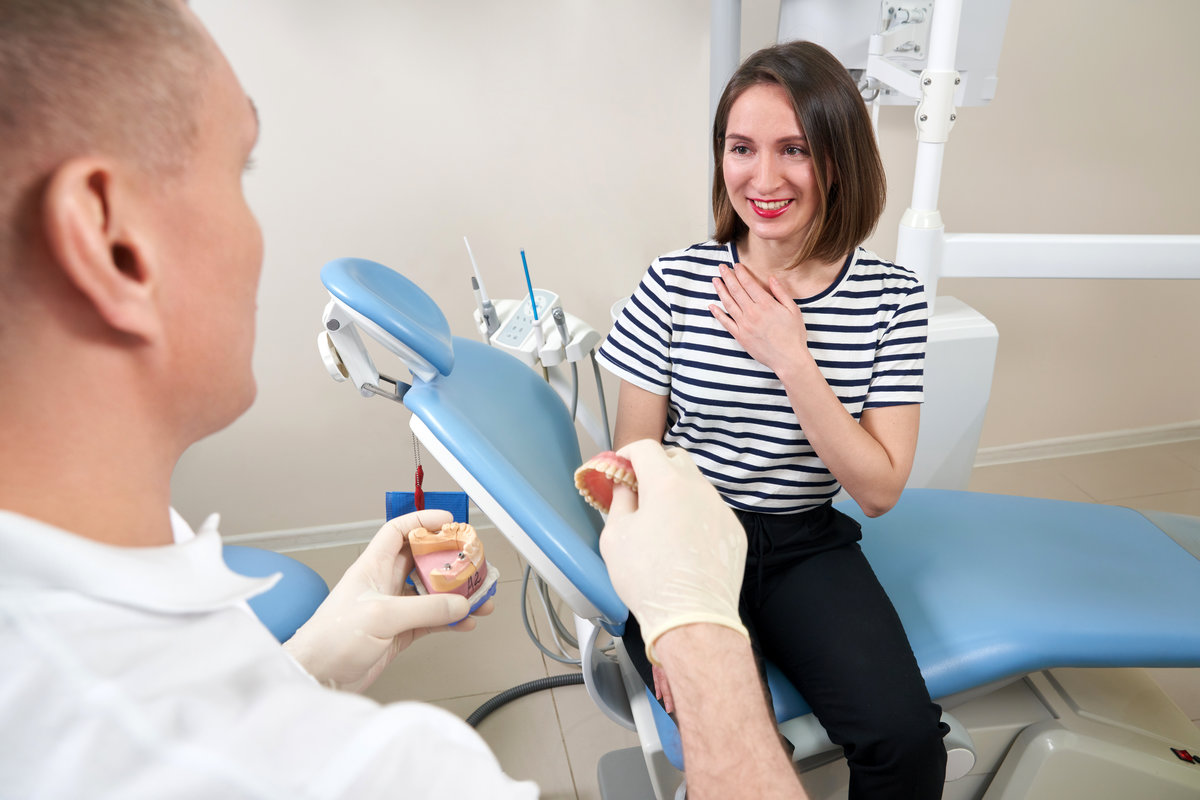
A dental bridge uses one or more pontics, which are artificial teeth, to span the space where natural teeth are missing. The pontics are held in place by dental crowns attached to the abutment teeth on either side of the gap. According to the American Dental Association, crowns can strengthen teeth and are commonly used to attach dental bridges securely.
The process typically requires two appointments. During the first visit, we prepare the abutment teeth by reshaping them to accommodate crowns. We then take detailed impressions and fit you with a temporary bridge while your permanent restoration is crafted. At your second appointment, we place and adjust your custom bridge to ensure a comfortable bite and natural appearance.
Who Can Benefit from Dental Bridges
Dental bridges work well for patients who have one or more missing teeth in a row with healthy teeth or implants on either side to serve as anchors. They may be a good option if you want to restore your ability to chew properly, maintain your facial structure, prevent remaining teeth from shifting, or improve your speech and smile. Good candidates also have healthy gums and a commitment to oral hygiene practices.
If you have concerns about dental anxiety, our team offers gentle care and clear communication throughout every procedure. We also provide sedation dentistry options for patients who need additional comfort during their treatment.
Types of Dental Bridges Available
Traditional bridges remain the most common type, using crowns on teeth adjacent to the gap. Cantilever bridges anchor to a single tooth when only one abutment tooth is available. Maryland bridges use a metal or porcelain framework bonded to the back of adjacent teeth, preserving more natural tooth structure. Implant-supported bridges attach to dental implants rather than natural teeth, providing exceptional stability for larger gaps.
Our team evaluates your specific situation to recommend the best dental bridges in Sunnyvale for your needs. Factors we consider include the location and number of missing teeth, the health of your surrounding teeth and gums, your bite alignment, and your cosmetic goals.
Caring for Your Dental Bridge
Proper maintenance helps your dental bridge last many years. Brush twice daily with a soft-bristle toothbrush, paying special attention to the area where the bridge meets your gums. Use floss threaders or interdental brushes to clean beneath the pontic where food particles can collect. Attending regular dental checkups allows us to monitor your bridge and address any concerns early.
Avoid chewing hard foods like ice or hard candy directly on your bridge. If you grind your teeth at night, a protective nightguard may help extend the life of your restoration.
How Long Do Dental Bridges Last?
A well-maintained dental bridge typically serves patients for 10 to 15 years, though many last considerably longer with proper care and favorable conditions. The longevity depends less on any single factor and more on how several elements work together over time. The type of bridge matters significantly. Traditional bridges supported by natural teeth generally last between 5 and 15 years, while implant-supported bridges often exceed 15 years thanks to the exceptional stability dental implants provide.
The health of your abutment teeth plays a crucial role in bridge longevity. These supporting teeth bear additional stress from holding the pontic in place, which means keeping them strong and decay-free becomes even more important than before you had a bridge. Patients who maintain excellent oral hygiene and never miss their regular dental visits tend to get far more years from their bridges than those who let preventive care slide. The bridge itself won’t decay, but the natural teeth supporting it certainly can if plaque accumulates at the margins where the crowns meet your gum line.
Your daily habits influence how long your bridge remains functional and comfortable. Grinding or clenching your teeth creates forces that dental restorations simply weren’t designed to withstand continuously. Chewing ice, opening packages with your teeth, or biting into extremely hard foods can crack the porcelain or loosen the cement holding the bridge in place. A custom nightguard costs a fraction of what you’d spend replacing a damaged bridge, making it a smart investment for anyone who grinds their teeth during sleep.
When bridges do need replacement, it’s often because the supporting teeth have developed new problems rather than because the bridge itself has worn out. Gum recession around the abutment teeth can expose the margins where the crown meets the tooth, creating spaces where bacteria can enter. Changes in your bite over the years might also shift pressure in ways that stress the bridge differently than when it was first placed. Regular monitoring catches these developing issues while they’re still manageable, often extending the functional life of your bridge by several years.
“Dental bridges are more firmly rooted in place than dentures, which can make eating and speaking easier.”
Questions Answered on This Page
Q. Am I a good candidate for a dental bridge?
Q. What are the different types of dental bridges?
Q. What are the differences between dental bridges and dentures?
Q. What are the benefits of dental bridges?
People Also Ask
Q. How can a dentist replace missing teeth?
Q. What is involved in getting a fixed bridge?
Q. What is it like to go through the process of receiving a dental crown?
Q. What is restorative dentistry?
Schedule Your Consultation at Smile Craft Dental
Choosing the best dental bridges in Sunnyvale starts with a thorough consultation where we assess your oral health, discuss your goals, and answer your questions. Our Spanish-speaking staff can assist patients who prefer to communicate in Spanish. We accept most major insurance plans and offer a membership plan for patients seeking affordable care without traditional insurance.
Take the first step toward completing your smile by contacting our team today. You can also learn more about our practice and the personalized approach we bring to every patient. Schedule your appointment at our Sunnyvale location and discover why patients throughout the Bay Area trust Smile Craft Dental with their smiles.
| Restore your smile with a dental bridge — financing available at our Sunnyvale office. | Request an Appointment |
Frequently Asked Questions
How can I care for my dental bridge?
A.According to the Oral Health Foundation, dental bridge patients should continue to care for their teeth as usual. They should brush at least twice a day, floss, and use mouthwash. Take special care to clean thoroughly around the bridge and along the gumline.
How can I adjust my bridge?
A.Do not attempt to adjust a dental bridge at home. The dentist can make modifications to ensure the bridge fits comfortably in the mouth, which may involve changing the shape of the bridge to follow the gum more closely.
Does it hurt to get a dental bridge?
A.Depending on the type of bridge, there may be some discomfort. However, anesthesia or sedation is usually involved in such procedures. In any case, any discomfort tends to be easily manageable and short-lived.
How many appointments will I need to get a dental bridge?
A.In most cases, at least two appointments are necessary. The first is a consultation and measurement, and the second is the placement of the bridge. More appointments may be necessary, depending on the need for adjustments.
How long will my dental bridge last?
A.With proper care, a dental bridge should last five to seven years. Some modern bridges last even longer, upwards of 10 years. Good daily hygiene and regular dental visits can help extend the life of a dental bridge.
 Scan here to view this page, Dental Bridges, on mobile
Dental Terminology
Dental CariesDental caries are also known as cavities and result from a lack of proper oral hygiene leaving plaque that forms tiny holes in the teeth.
Dental FillingA dental filling involves restoring the structure of the tooth by using metal, alloy, porcelain or plastic to fill the tooth.
Dental SealantsDental sealants contain a resinous material that we apply to the chewing surfaces of the posterior teeth to prevent dental caries.
GingivitisGingivitis is the inflammation of gum tissue that results from plaque, other infections in the mouth and poor oral hygiene.
Helpful Related Links
- American Dental Association (ADA). Glossary of Dental Clinical Terms. 2023
- American Academy of Cosmetic Dentistry® (AACD). Home Page.
2023 - WebMD. WebMD’s Oral Care Guide. 2023
About our business, license, and website security
- Smile Craft Dental was established in 2019.
- We accept the following payment methods: American Express, Cash, Check, Discover, MasterCard, and Visa
- We serve patients from the following counties: San Mateo County and Santa Clara County
- We serve patients from the following cities: Redwood City, San Carlos, Atherton, Redwood Shores, Menlo Park, Woodside, Palo Alto, East Palo Alto, Belmont, and San Mateo
- Norton Safe Web. View Details
- Trend Micro Site Safety Center. View Details
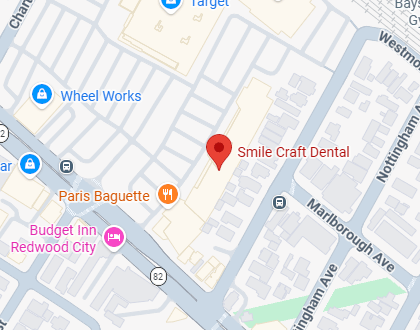
 Scan here to open directions to Smile Craft Dental on mobile
Back to top of Dental Bridges